
Last updated November 24, 2026
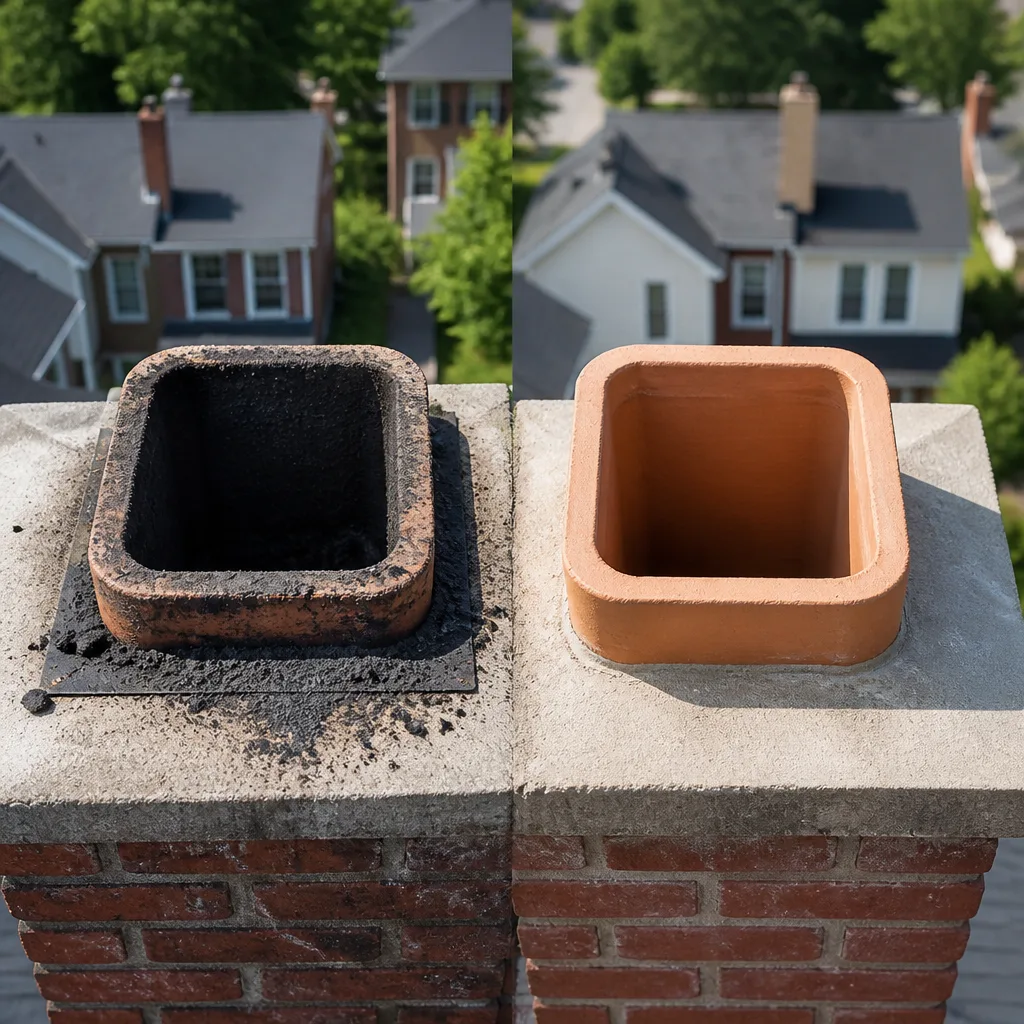 Sweep & inspection
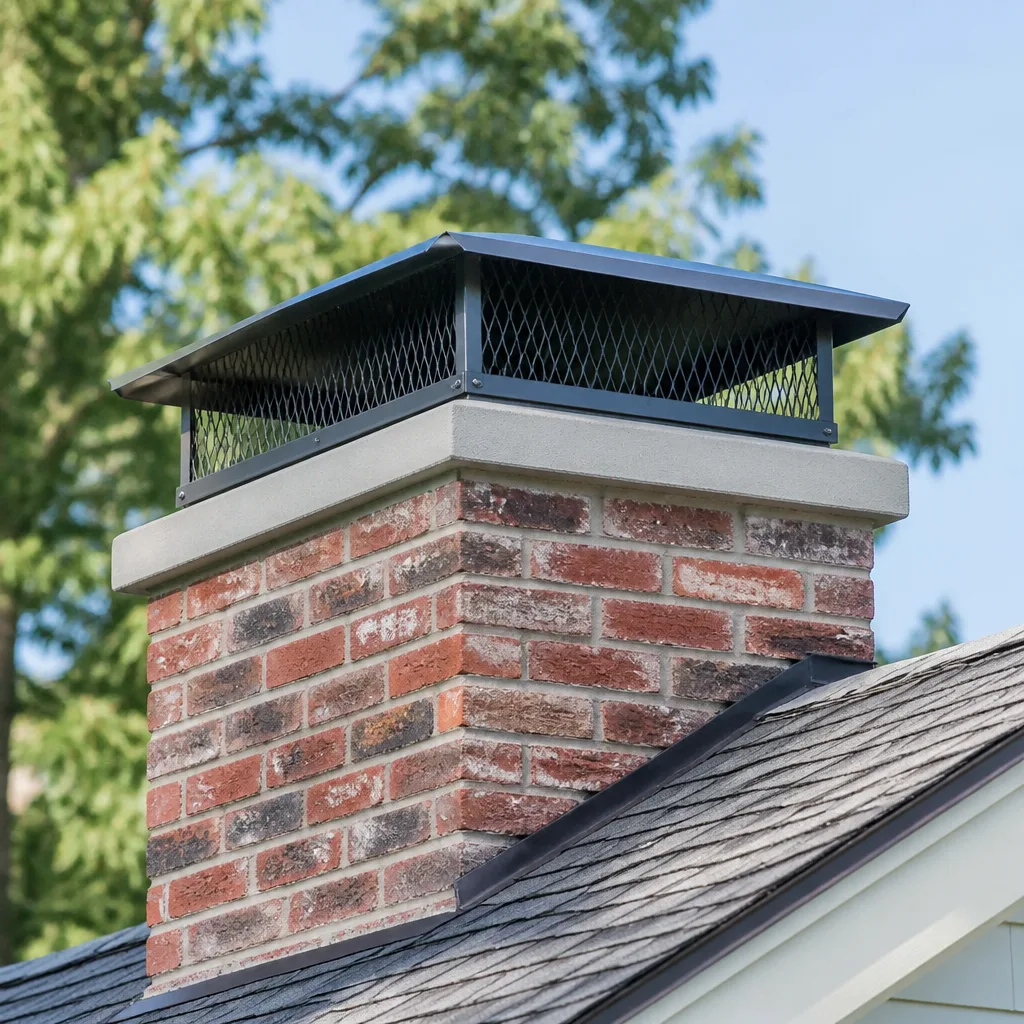 Caps & crowns
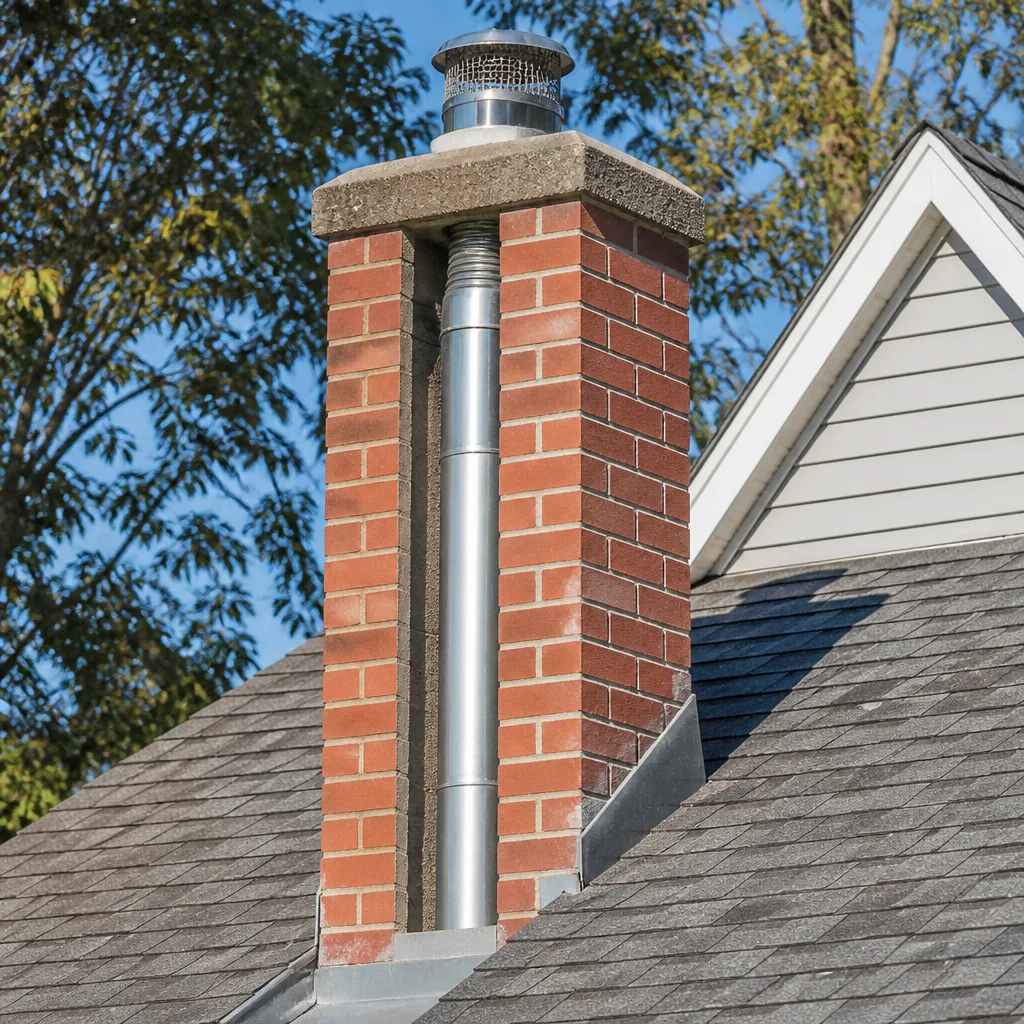 Flue relining
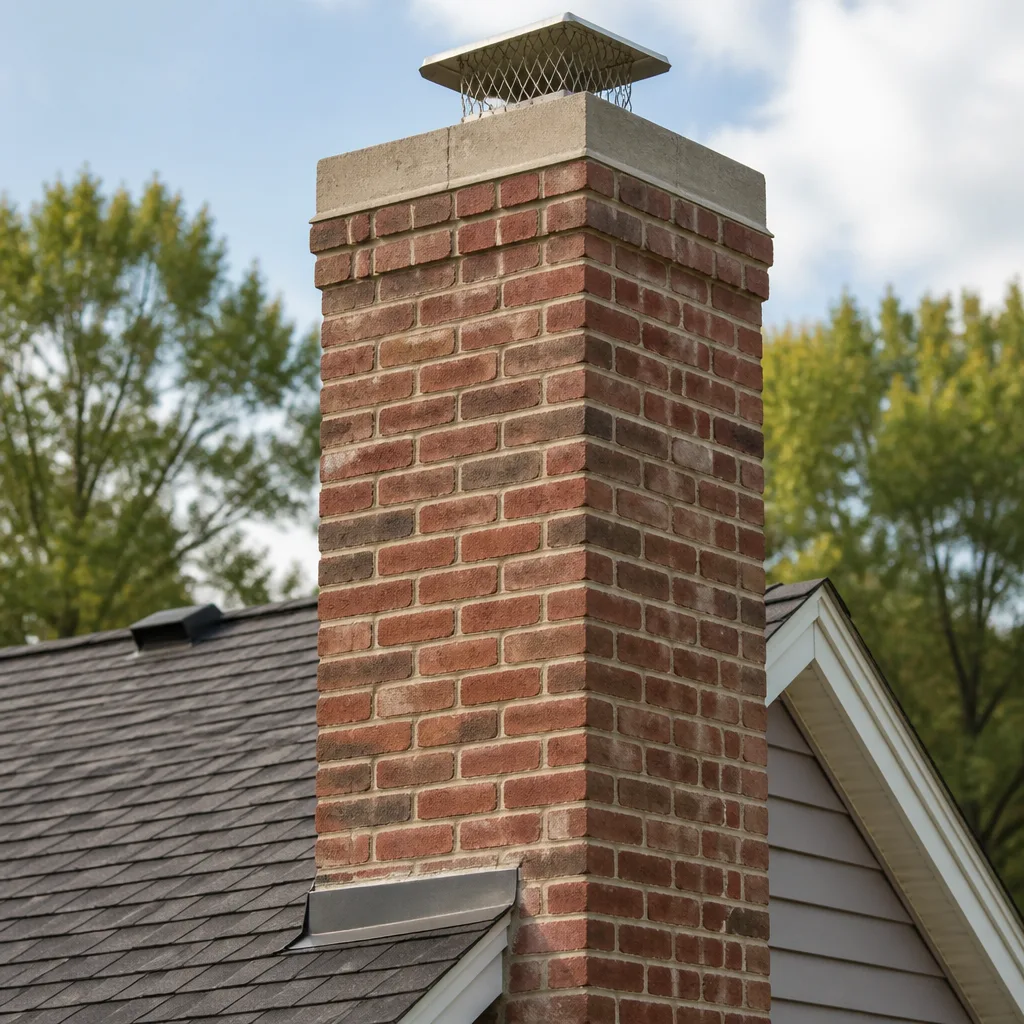 Masonry repair
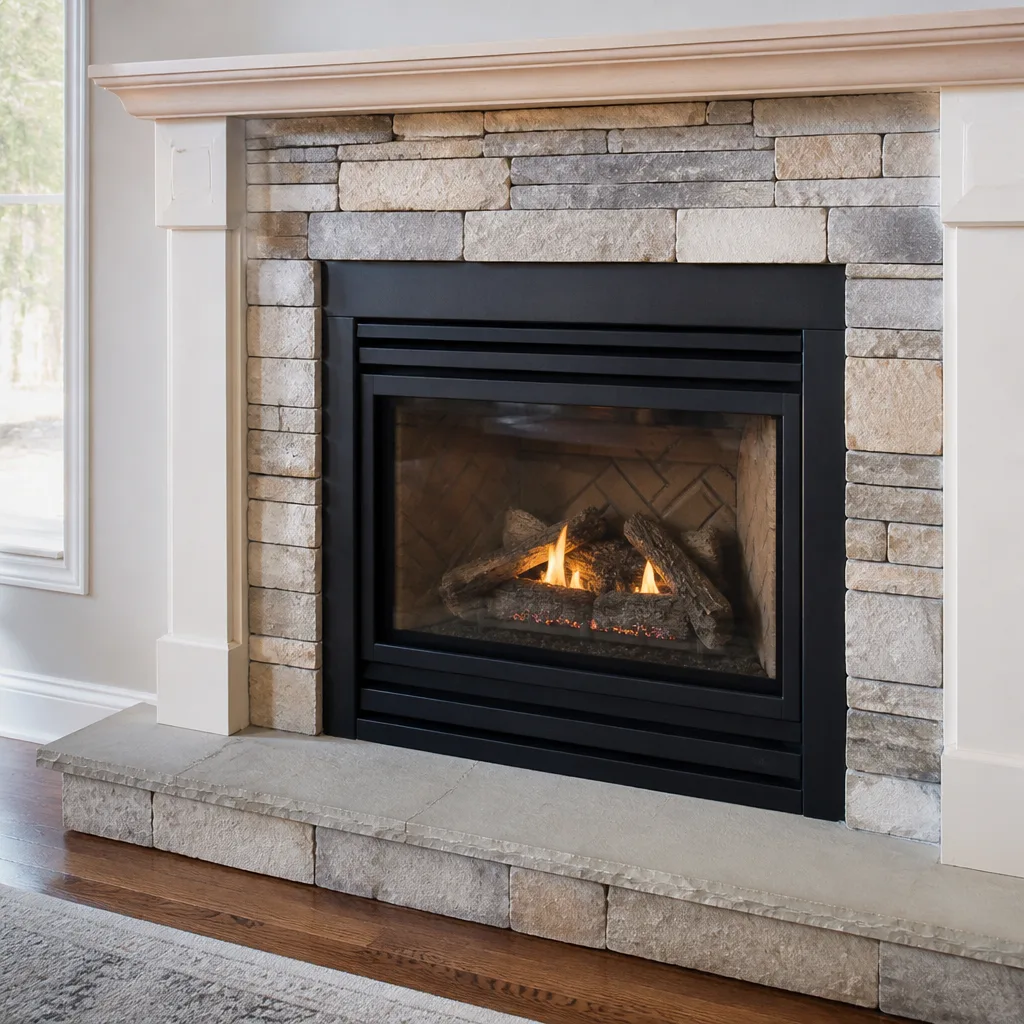 Gas fireplace service
Level 1 sweep and inspection to the NFPA 211 annual standard - flue, crown, cap, and flashing checked and photographed
Chimney sweep logs do not sweep chimneys. They loosen some creosote - which then falls where a brush and vacuum still have to collect it.
The Complete Guide to Chimney Cleaning in Lehi
Most chimney fires don’t start because a homeowner skipped a cleaning. They start because the cleaning was done without understanding what stage of creosote had already formed. Stage 1 creosote is a soft, flaky soot that brushes away. Stage 3 is a hardened, tar-like glaze that has baked onto the flue tile, and no brush will remove it. Confusing the two is where things go wrong, and it happens more often in Lehi than most homeowners realize. This guide maps the full chimney system, explains what Lehi’s burn patterns actually do to a flue, and shows you what a real cleaning and inspection should cover from the firebox to the cap.
Quick Answer
Chimney cleaning in Lehi means more than sweeping soot. A proper service inspects the full system (firebox, damper, smoke chamber, flue liner, crown, and cap), removes creosote based on its actual stage, and documents what it finds. Because Lehi sits in a mountain valley where cold snaps and warm spells trade places through the winter, creosote here tends to glaze faster than in steady-cold climates. That makes an annual inspection-first sweep the right baseline for most Lehi homes.
Styles & brands we work with
- Sweep & inspection
- Caps & crowns
- Flue relining
- Masonry repair
- Gas fireplace service
Table of Contents
- Why Chimney Cleaning in Lehi Isn’t a Generic Job
- The Three Stages of Creosote and How They Form
- The Full Chimney System: What Gets Inspected vs. Cleaned
- Gas Fireplaces vs. Wood-Burning: Why Both Still Need Annual Inspection
- Level 1 vs. Level 2 Inspections: What Each One Covers
- New Builds vs. 1990s Tract Homes: What Lehi’s Growth Reveals
- What a Professional Chimney Cleaning Actually Involves
- How Much Chimney Cleaning Costs in Lehi
Why Chimney Cleaning in Lehi Isn’t a Generic Job
Lehi sits at the north end of Utah Valley, tucked against the foothills at roughly the elevation where winters are cold but not extreme, and where the valley floor traps air during inversion periods. That combination shapes how a chimney actually behaves. During an inversion, smoke and flue gases don’t always vent cleanly upward. They can stall, cool against the flue walls, and deposit creosote at a different rate than they would on a windy ridge. A sweep who doesn’t think about draft and elevation is only cleaning the visible soot, not the layer that matters.
Then there’s the freeze-thaw rhythm. Lehi winters swing between hard cold snaps and warm spells that melt snow off the roof, sometimes within a week. Each cycle expands and contracts the masonry just enough to open hairline cracks in the crown, let moisture in, and set up the conditions where creosote glazes faster the next time the fire runs hot. Homeowners who’ve lived here a few seasons know the pattern. Chimneys feel it too.
Add the housing mix. Lehi grew fast, and the housing stock now ranges from newer builds in the western developments to 1990s tract homes with original clay tile liners still doing their job. Old clay tile and new high-efficiency inserts fail in different ways, which means a cleaning visit for one home tells you almost nothing about what the next one needs. That’s why we treat the chimney as a system and start every visit with an inspection. If you want the shorter version of the service itself, our chimney sweep page covers what a standard visit includes.
The Three Stages of Creosote and How They Form
Creosote is the residue left behind when wood smoke cools before it leaves the flue. How it deposits depends on how hot the fire burns, how dry the wood is, and how much the flue cools the smoke on its way up. In Lehi, the warm-then-cold pattern of winter makes this worse. A hot fire on a cold, dry night drafts cleanly. The same fire on a milder day stalls and coats the flue. Do that across a whole season and you’ve built up a layer that has to be removed deliberately, not brushed at.
Here’s how the three stages break down, and why it matters:
- Stage 1 creosote looks like black, flaky soot or a light dusting of ash. It brushes off easily. Most annual sweeps deal with Stage 1, and a standard rotary brush handles it cleanly.
- Stage 2 creosote is a denser, shinier crust, sometimes with a bubbled or puffy texture. It clings harder and a light brush won’t cut it. Rotary brush work with the right head is still up to the job, but the sweep has to go at it with more force and more passes.
- Stage 3 creosote is a hardened, tar-like glazed layer bonded directly to the flue tile. It looks almost like black glass. A brush cannot remove it. This is where the work shifts from cleaning to removal and often to restoration.
Stage 2 is the tipping point. If it gets removed with a proper rotary brush, you stay safe. If it hardens into Stage 3, you’re now looking at chemical removal or a liner restoration, and the cost climbs fast. If the flue has glazed badly and the original clay tile is cracked, that’s when a method like HeatShield resurfacing becomes the practical route. It restores the flue’s inner surface without tearing out the original tile, and a professional chimney company specifies it for exactly that situation.
The Full Chimney System: What Gets Inspected vs. Cleaned
A chimney is not one tube. It’s a stack of components that have to work together, and each one fails in its own way. When we say we inspect the whole system, this is the list we’re working through:
- Firebox – inspected for cracked brick, loose mortar, and heat damage. Cleaned of ash and debris during a sweep.
- Damper – inspected for smooth operation and a proper seal. A stuck-open or stuck-closed damper is a real safety problem, not a nuisance.
- Smoke chamber – the sloped zone above the damper. Inspected for buildup and damage. Cleaned when accessible, because this is where a lot of missed creosote sits.
- Flue liner – inspected for cracks, gaps, and separation between tile sections. Cleaned of creosote based on its stage. This is the component that most often determines whether repairs are needed.
- Crown – inspected for cracks, spalling, and slope. Cleaned of moss and debris where it’s safe to access. Crown problems are the top source of slow water intrusion into a chimney.
- Cap and spark arrestor – inspected for rust, damage, and blockage. A damaged cap is the most common way wildlife gets into a Lehi chimney.
Notice how much of that list isn’t cleaning. On most Lehi visits, the sweep itself is straightforward, and the value of the visit comes from what the inspection surfaces. A cracked crown is a much bigger deal than a sooty flue, and it’s the kind of thing a general contractor or handyman rarely looks at. If repairs turn up, that’s where our chimney repair service takes over, using professional-tier materials like Olympia Chimney and Gelco components rather than hardware-store substitutes.
Gas Fireplaces vs. Wood-Burning: Why Both Still Need Annual Inspection
Gas flues don’t build creosote, so a lot of Lehi homeowners assume they don’t need a yearly look. That’s the wrong conclusion. Gas produces less visible buildup, which means problems hide longer. A rusted-out flue liner, a deteriorated cap, or blocked draft stops working quietly, often without any obvious sign until something fails. Gas flues still vent byproducts of combustion, and if the vent path is compromised, those byproducts end up in the living space instead of going up the stack.
Wood-burning fireplaces and high-efficiency inserts operate differently again, and Lehi has plenty of both. Inserts burn hotter and run longer, which is good for efficiency, but it means the flue sees sustained higher temperatures and a steadier flow of smoke. That load can expose liner cracks or degrade a clay tile faster than a traditional open fireplace. Burning unseasoned or wet wood makes it worse, because cooler smoke means more deposition of Stage 1 and Stage 2 creosote.
The practical rule: gas or wood, once a year, on the calendar. That visit is a chance to inspect the liner, confirm the cap and crown are intact, and verify the draft path is clear. If you’ve noticed an odor when the fireplace isn’t running, or draft that feels weaker than it used to, those are good reasons to move the inspection earlier than your usual annual visit. Our fireplace repair service handles the firebox, damper, and insert work that often turns up alongside a sweep.
Level 1 vs. Level 2 Inspections: What Each One Covers
The CSIA inspection framework has three levels, and Level 1 and Level 2 are the two you’ll encounter in nearly every Lehi home. Knowing the difference helps you understand why a sweep sometimes costs more than a straight cleaning.
Level 1 inspection is the baseline. It covers the accessible parts of the chimney and vent system, looked at with the tools you’d use in a routine service visit (flashlight, mirror, and visual assessment). It happens during an annual sweep and it does not require the appliance to be opened up. A Level 1 is what you get on a normal yearly maintenance call.
Level 2 inspection goes further and is required when something has changed. Specifically:
- The home has changed hands or is being sold.
- A different appliance is being installed (a new insert, a new stove, or a switch from wood to gas).
- There’s been a chimney fire, or a suspected one.
- A weather event or seismic shift has occurred that could affect the structure.
- You’ve noticed a specific problem (staining, odor, draft issues, or cracks) that the Level 1 didn’t fully explain.
A Level 2 also uses a camera to inspect the flue interior end to end, which is where it earns its keep. Clay tile liners crack at the joints, and a camera shows those breaks in a way a mirror and flashlight cannot. If you’re buying a home in Lehi, ask the seller for a Level 2, and don’t take a verbal “it’s fine” in place of the report. Level 3 exists too, but it’s rare and only when a serious hidden defect needs direct access (a wall removed, for example).
New Builds vs. 1990s Tract Homes: What Lehi’s Growth Reveals
Lehi’s housing stock tells two distinct stories. The newer developments on the west side tend to come with modern construction, factory-built fireplaces, and often a prefabricated metal liner system rather than a traditional clay tile stack. The tract neighborhoods built in the 1990s and early 2000s carry original masonry chimneys with clay tile liners that have now seen decades of heating and cooling. They age in different ways, and the cleaning conversation changes with them.
On newer builds, the most common findings are installation-related. A cap that wasn’t seated properly, a crown with a slope that lets water pool, or a chase cover that’s the wrong size. These are cheap to fix while they’re small and expensive once water has been working in for a few winters. On 1990s tract homes, the story is usually the liner. Clay tile cracks, mortar joints erode, and after enough freeze-thaw cycles in Lehi you get gaps that creosote and moisture can slip into. That’s the situation where HeatShield resurfacing earns its place, restoring a compromised clay tile flue without the cost and disruption of a full liner replacement.
An older home doesn’t mean a bigger repair bill. A newer home doesn’t mean nothing needs attention. Both need the same starting point: a proper inspection that documents condition, rather than a sweep who sweeps and leaves without looking up.
What a Professional Chimney Cleaning Actually Involves
The best way to judge a sweep is to know the steps. Here’s what a proper cleaning looks like when it’s done right:
- Protect the space. Drop cloths and a sealed work area before any brush goes up the flue.
- Inspect before cleaning. Note the stage of creosote, condition of the liner, and status of the crown, cap, and damper.
- Sweep the flue with the right tool for the job. A standard rotary brush for Stage 1 and 2, heavier rotary heads for stubborn Stage 2, and a different plan entirely if Stage 3 is present.
- Clean the firebox, smoke chamber, and damper area. This is where a lot of soot gets left behind by a quick job.
- Run a second inspection after cleaning. The flue looks different once it’s clean, and defects are easier to see.
- Document the findings. A written report with photos of anything that needs attention.
- Recommend only what’s justified. If the crown needs repair, say so. If a liner has years left, say so. If nothing needs doing, say that too.
That “document the findings” step matters more than the sweep itself. If a sweep company leaves without showing you what they found, you’ve paid for a cleaning with no information attached. Our policy is that nothing gets recommended without camera evidence you can see for yourself. Call (855) 337-1677 if you want to schedule a free estimate. We answer 24/7. Fast dispatch from 7am to 7pm, Sunday through Friday.
How Much Chimney Cleaning Costs in Lehi
Chimney cleaning in Lehi typically runs from about $150 to $350 for a standard sweep and inspection, with higher ranges when Stage 2 creosote requires heavier rotary work or when the sweep reveals a repair that has to be quoted separately. That’s a general range, not a quote. The written estimate you receive after inspection sets the final price, and you’ll see it before anyone goes up the flue.
Here’s how the numbers break down by job:
| Service | Typical range (estimated) |
|---|---|
| Standard sweep and Level 1 inspection | $150 – $250 |
| Sweep with heavier creosote removal (Stage 2) | $200 – $350 |
| Level 2 inspection with camera | $200 – $400 |
| Crown repair or reseal | Quoted per job after inspection |
| Cap replacement | Quoted per job after inspection |
| HeatShield liner resurfacing | Quoted per job after inspection |
| Full liner replacement | Quoted per job after inspection |
The ranges above are what Lehi homeowners can expect for the sweep-and-inspect visit itself. Structural work (crown, cap, liner) is always quoted per job, because the cost depends on flue height, access, and the extent of the defect. No honest chimney company can price a crown repair sight unseen. If someone quotes you a full liner replacement before inspecting, that’s the review to skip.
For what we mean by a chip-and-tile-free quote, our Chimney Sweep Lehi overview page covers the services and how we scope the work. Call (855) 337-1677 for a free estimate on a sweep in Lehi.
Common Mistakes to Avoid
- Assuming a brush-through is enough. A brush handles Stage 1 and 2. If the flue has glazed into Stage 3, brushing won’t touch it, and a sweep who doesn’t check the flue walls is missing the real problem.
- Skipping gas fireplace inspection. No creosote doesn’t mean no issue. A gas flue can hide a rusted liner or failed cap because there’s no soot to draw your eye to it.
- Waiting for a chimney fire to force the issue. Stage 2 creosote is removable. Stage 3 is a fire hazard, and by then the liner is often compromised too.
- Burning wet or unseasoned wood. Cooler smoke deposits more creosote. It’s one of the few variables in Lehi you can control directly.
- Ignoring a cracked crown. Small crown cracks open up through Lehi’s freeze-thaw cycle, and water intrusion rots masonry from the inside out.
- Accepting a verbal report. You want the photos and the written findings. Anything short of that is a cleaning, not an inspection.
- Letting a general contractor handle chimney repairs. Chimney work needs professional-tier materials (DuraFlex liners, Gelco components, Olympia Chimney caps and crowns) and someone used to the actual flue dynamics at stake.
See the difference
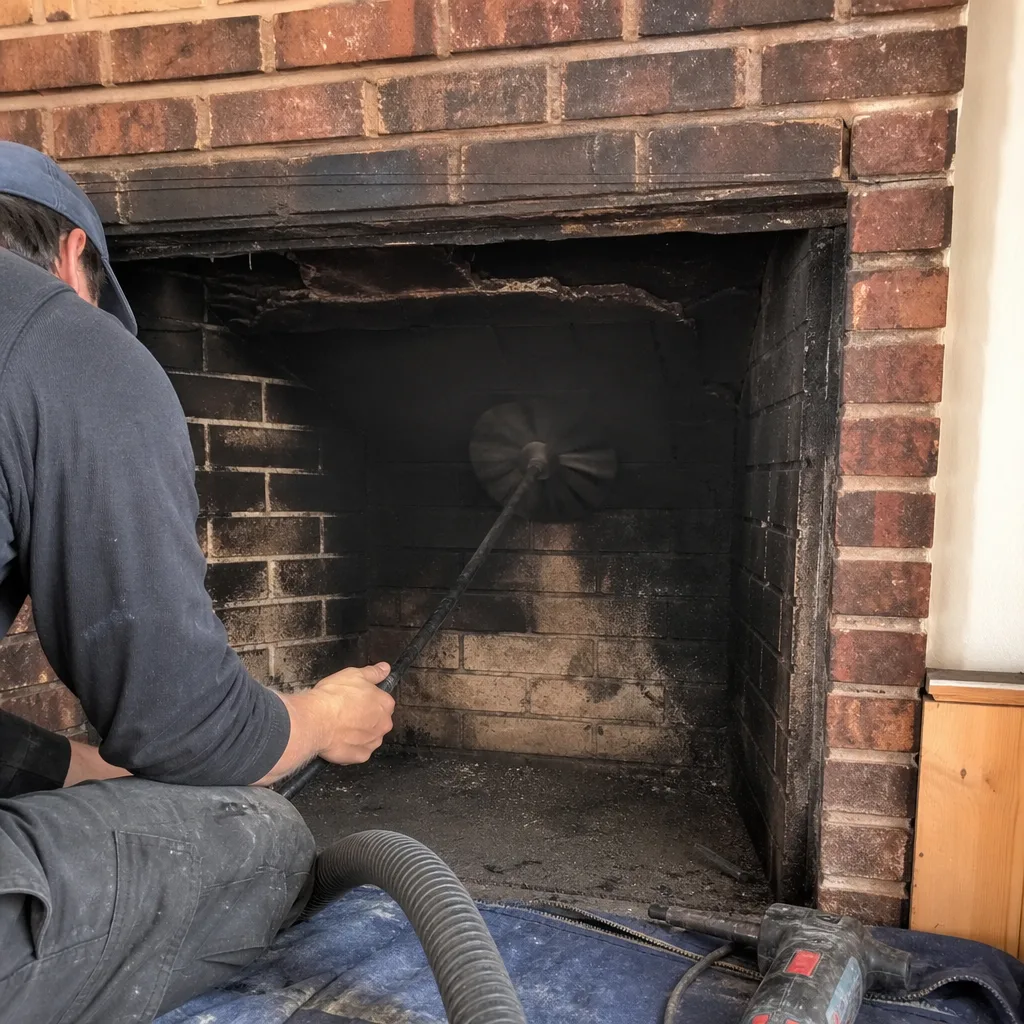 Before
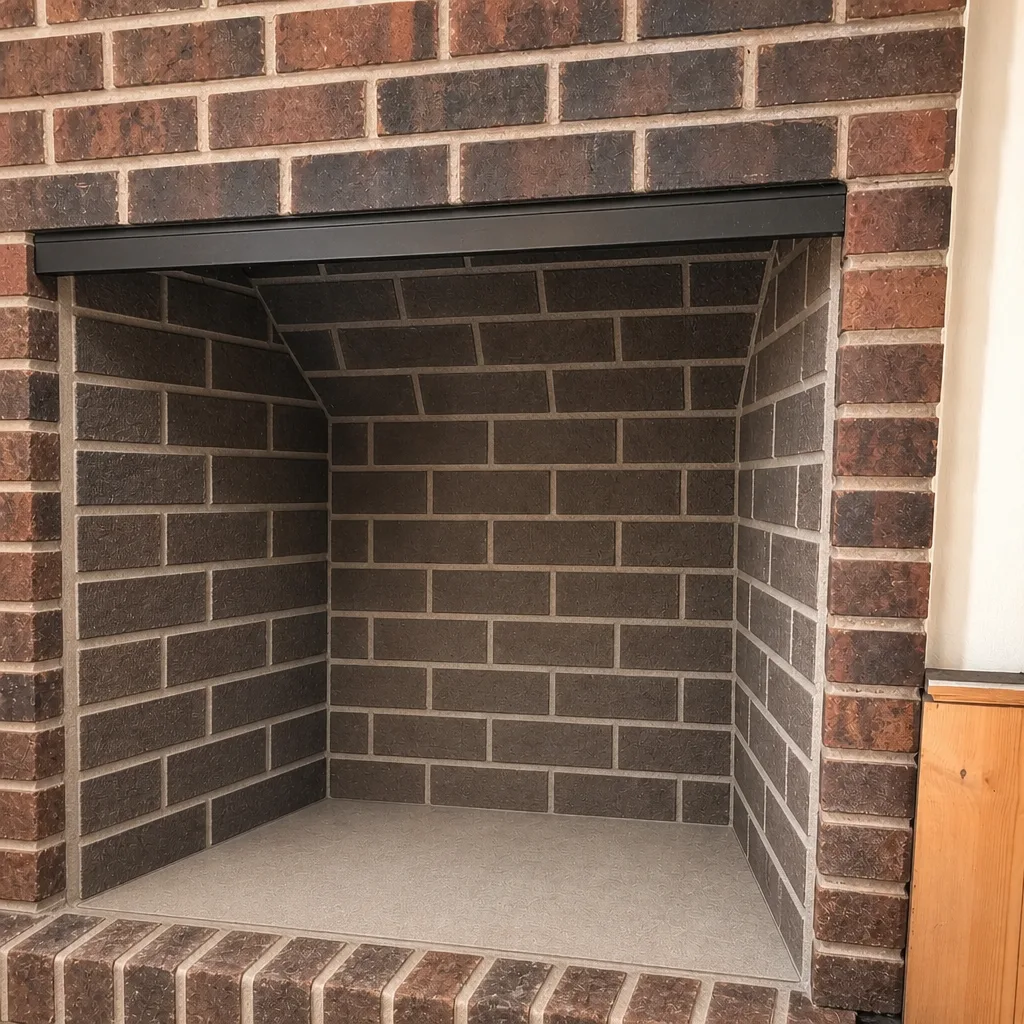 After
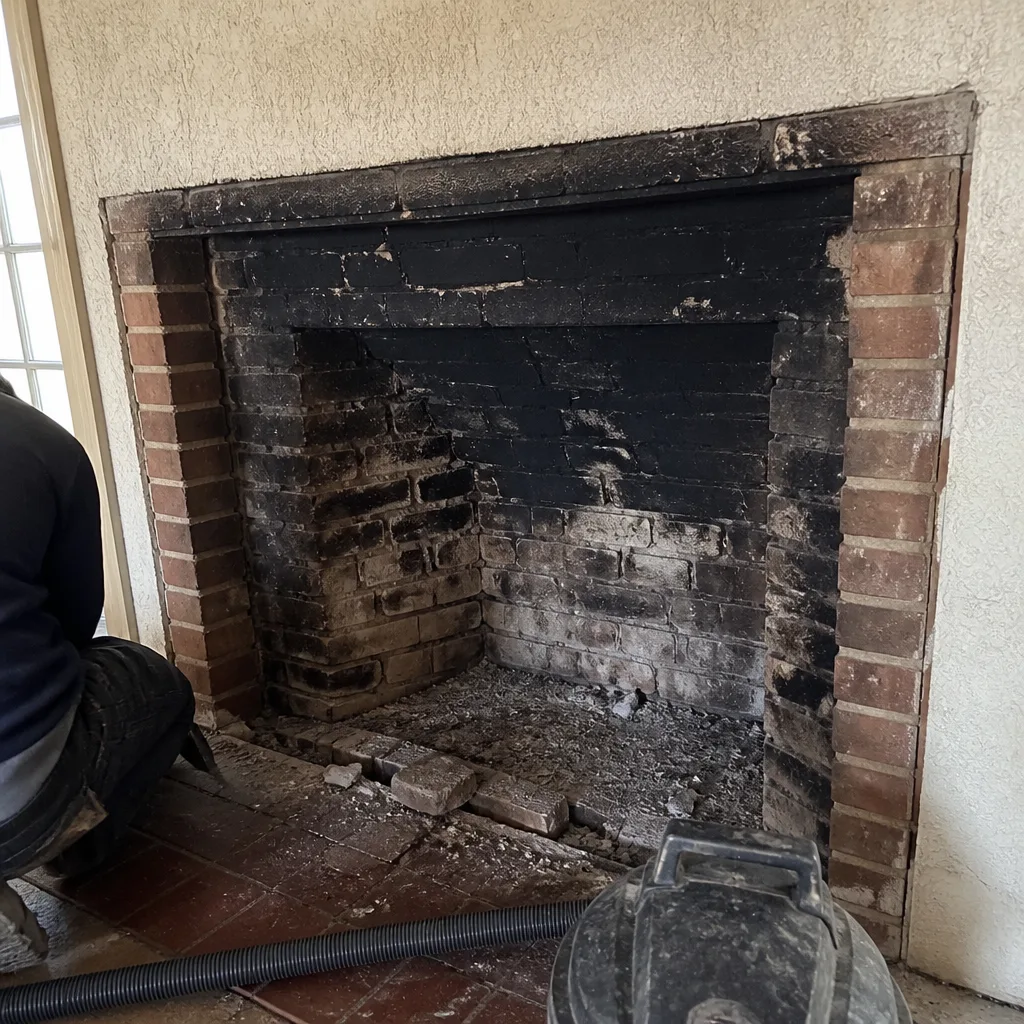 Before
 After
 Before
 After
When to Call a Professional
Call a professional chimney specialist when you notice staining on the exterior masonry, a strong odor when the fireplace isn’t running, or draft that pulls backward. Call before the heating season starts if you’ve never had the chimney inspected, and call immediately if you suspect a chimney fire has occurred. Same-day service is fine for these situations, and it’s the right call for a home you’re buying or selling. Chimney safety is not a DIY domain: the high temperatures and carbon monoxide risk are real, and cleaning a flue without a proper inspection only handles the easy part. Chimney Sweep Lehi offers free estimates in Lehi. Call (855) 337-1677.
Frequently Asked Questions
A standard chimney sweep and Level 1 inspection in Lehi typically runs from about $150 to $250, with the range climbing to around $350 when heavier Stage 2 creosote has to be removed. A Level 2 inspection with camera runs $200 to $400. The written estimate sets the final price. Call (855) 337-1677 for an exact quote. Estimates are free.
Once a year for most homes, and that includes gas fireplaces. Lehi’s freeze-thaw cycle and inversion season make the annual visit more than a formality. If you burn a lot of wood through the winter, get it inspected each fall so any glazing gets caught while it’s still Stage 1 or 2. Call (855) 337-1677 to schedule before the season starts.
Creosote builds up and glazes into Stage 3, which is a fire hazard the brush cannot remove. A cracked crown or a failed cap lets water and wildlife in, and neither shows up as a visible problem until real damage has occurred. The smart approach is an annual inspection so nothing sneaks up on you. Call (855) 337-1677 for a free estimate on a sweep.
Not always. A camera inspection tells you the truth about the liner, and if the tile is intact you don’t need replacement. If the clay tile is cracked, HeatShield resurfacing can often restore the flue without a full liner swap. The decision should come from evidence you can see, not from a sales pitch. Call (855) 337-1677 for a Level 2 inspection.
Yes, annually, even though the flue won’t build creosote the way wood does. A gas flue still needs inspection because rusted liners, failed caps, and blocked draft paths don’t show up as soot. The yearly visit is your chance to catch those before they become a carbon monoxide concern. Call (855) 337-1677 for a free estimate.
A Level 1 is the visual check that comes with a routine annual cleaning; a Level 2 adds a camera run through the flue and a full structural review. A Level 2 is required for a home sale, a new appliance install, or a suspected chimney fire. If you’re buying a home in Lehi or just want the liner confirmed, ask for a Level 2. Call (855) 337-1677 to book one.
The Bottom Line
Chimney cleaning in Lehi is a system-wide job, not a brush-through. The three stages of creosote determine what removal method is needed, and Lehi’s cold snaps and warm spells push deposit upward faster than steady-cold climates do. Inspect the full system (firebox, damper, smoke chamber, liner, crown, cap) every year. Treat gas and wood the same way on the calendar. Ask for the inspection level that matches your situation, and insist on a documented report. If creosote has glazed or a crown has cracked, the fix is a professional repair, not a quick sweep. The cleanest flue in Lehi is the one that got inspected before anything went wrong.
Call (855) 337-1677 for a free estimate. We answer 24/7. Fast dispatch from 7am to 7pm, Sunday through Friday.
Written by the team at Chimney Sweep Lehi.