
Last updated November 24, 2026
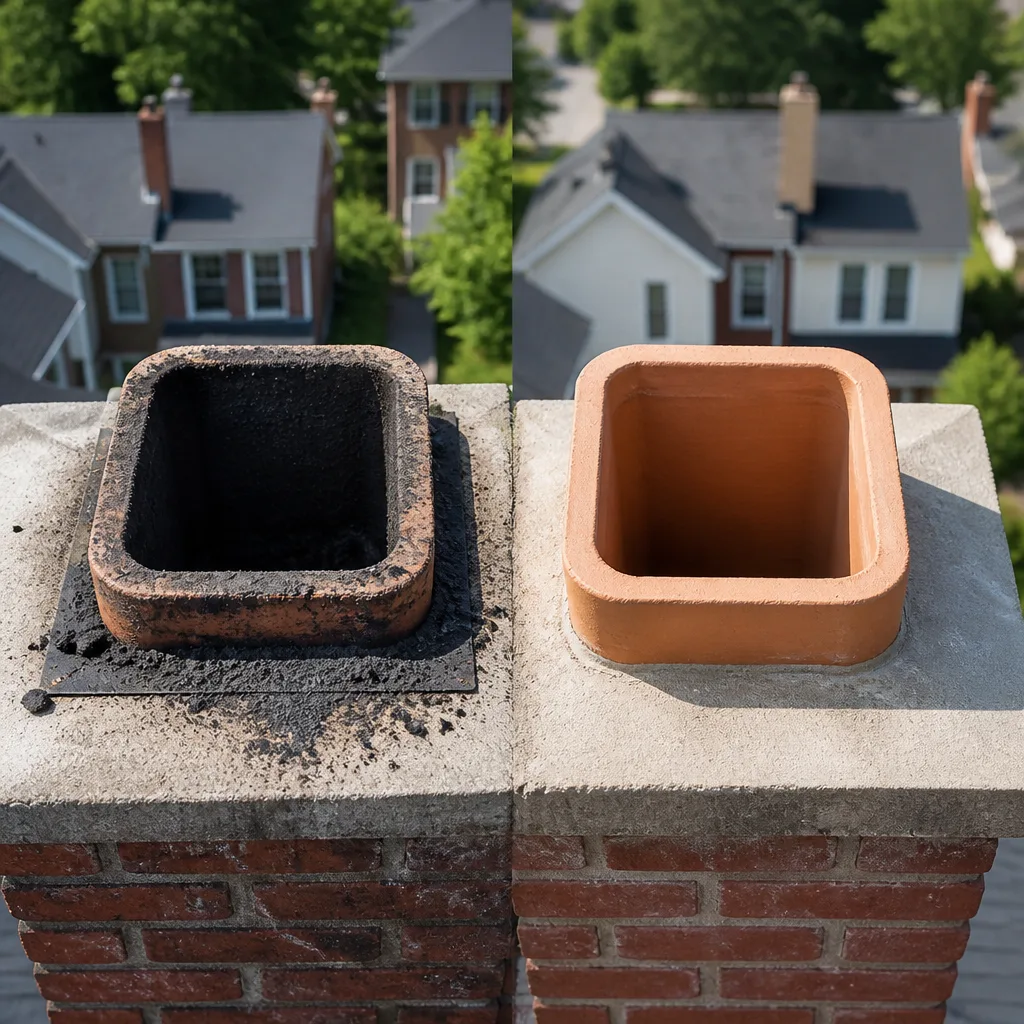 Sweep & inspection
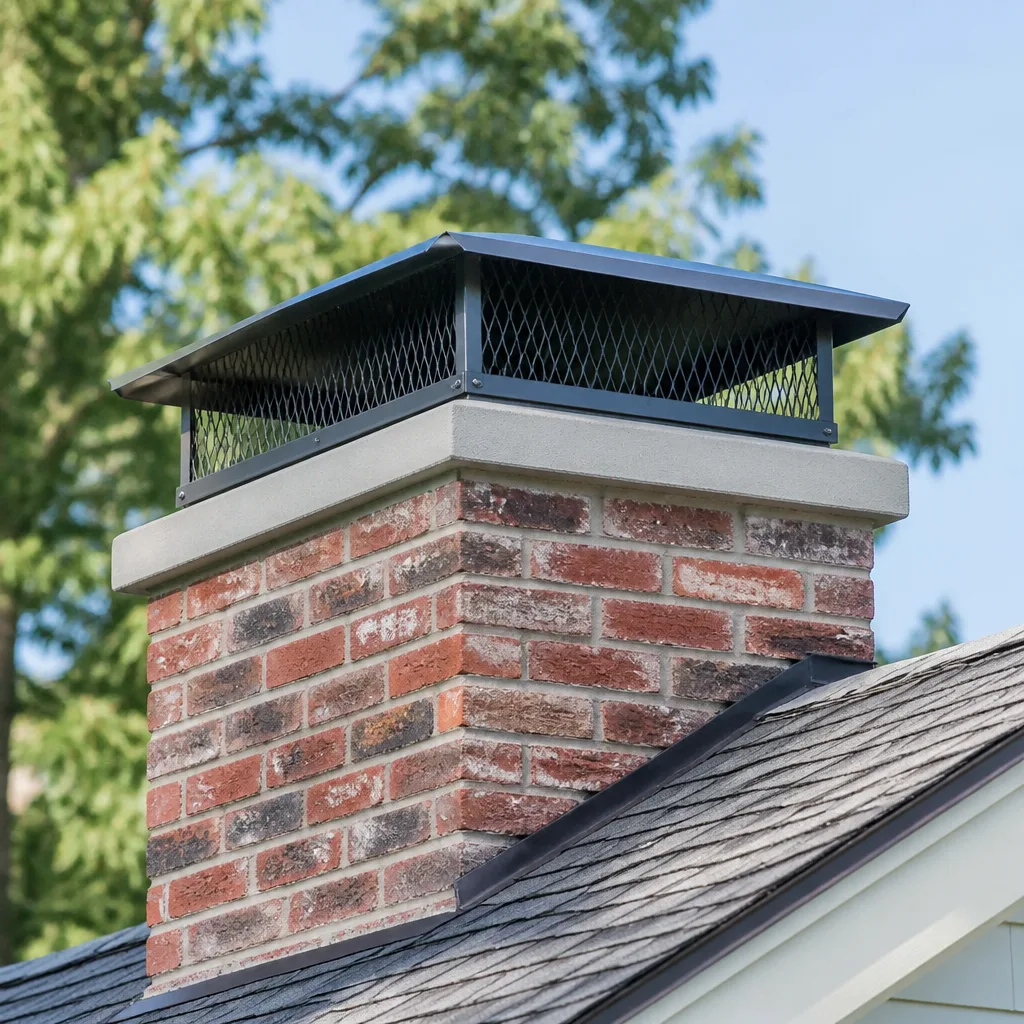 Caps & crowns
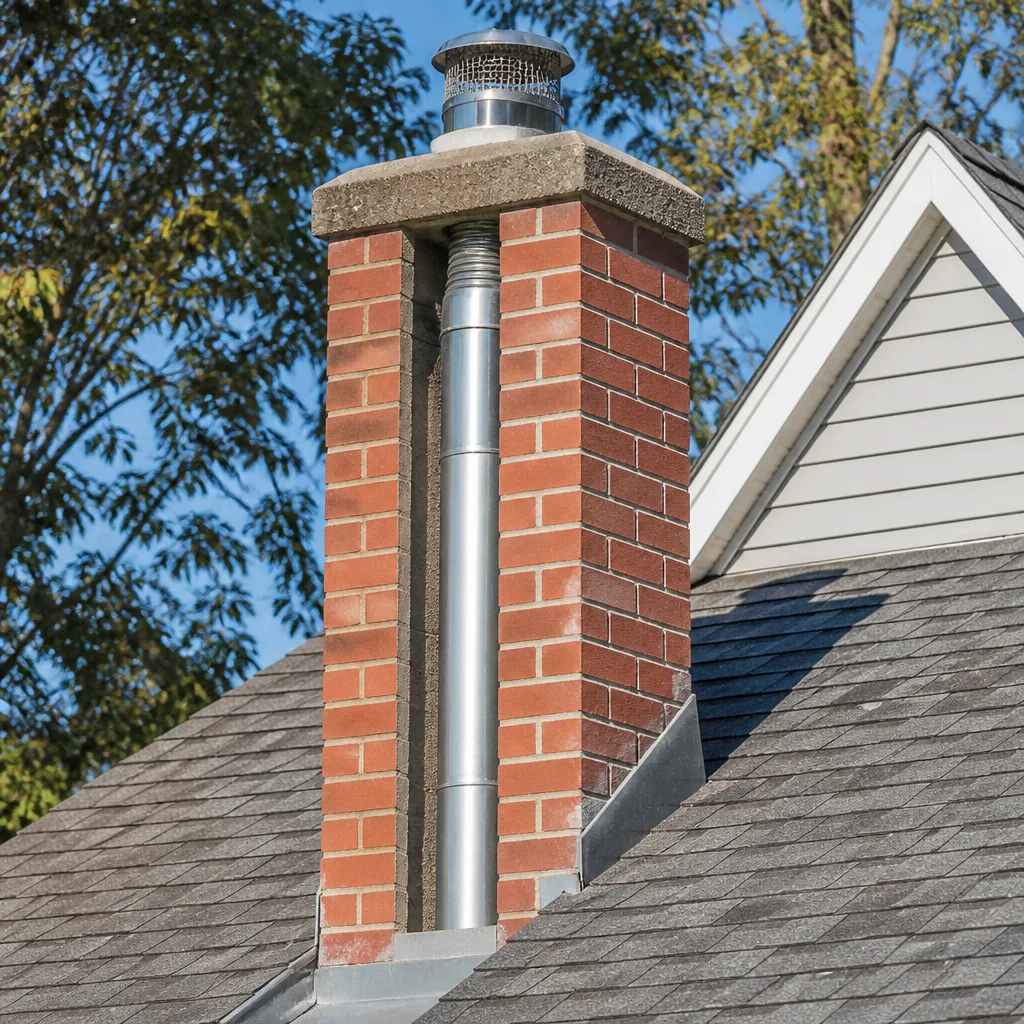 Flue relining
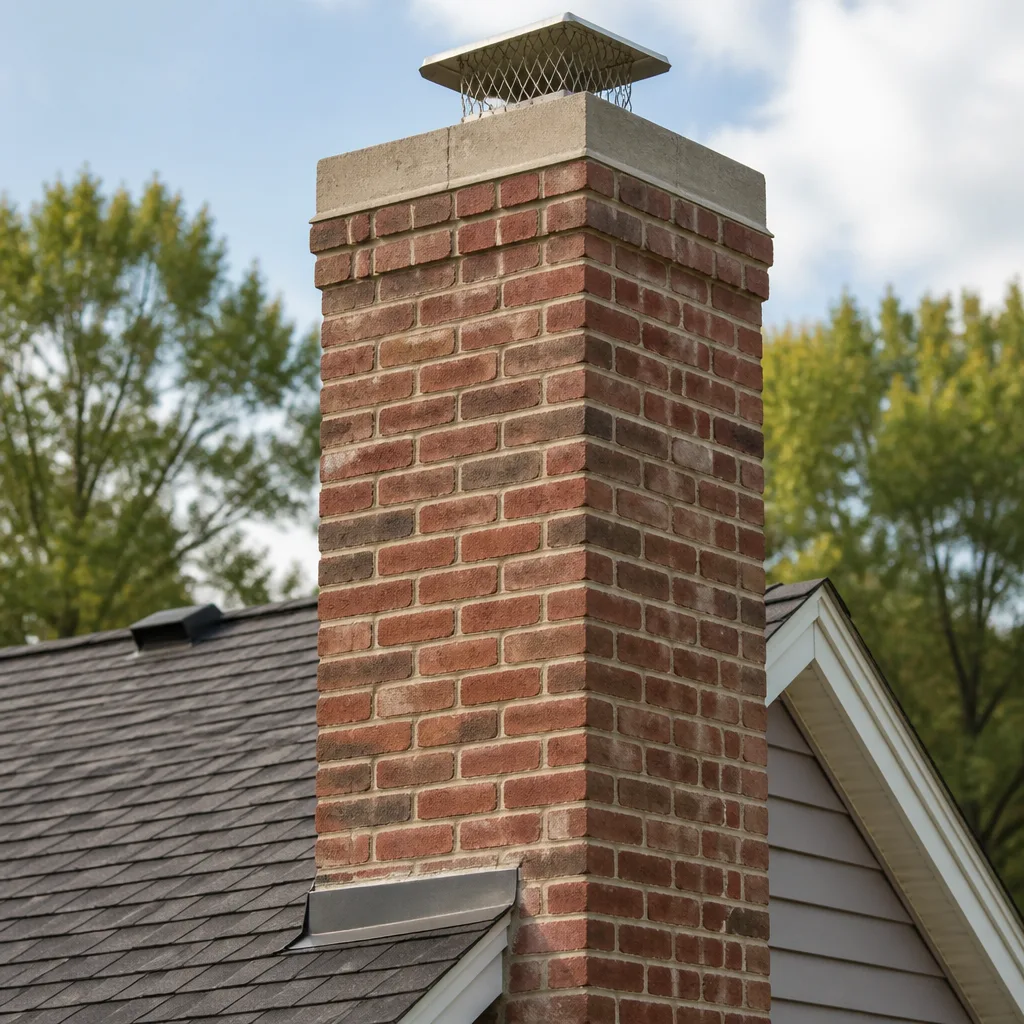 Masonry repair
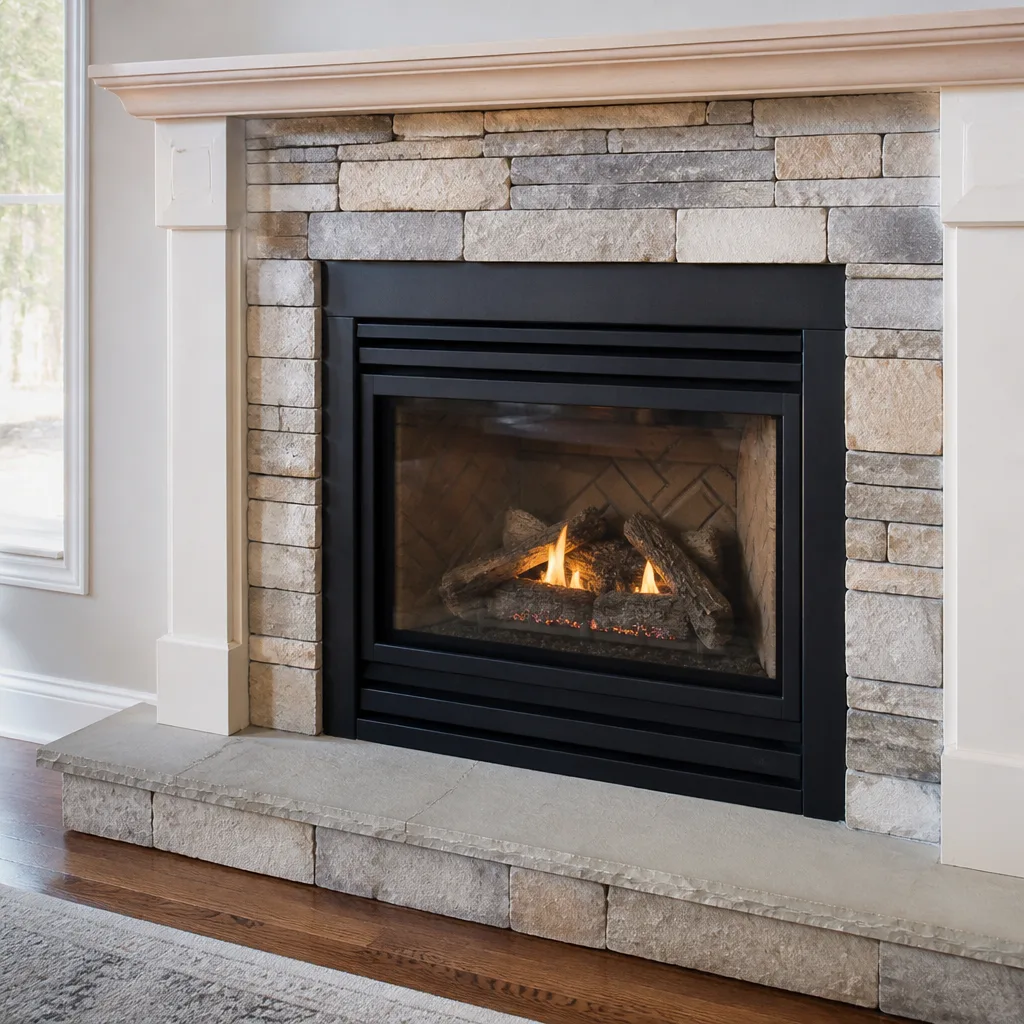 Gas fireplace service
Level 1 sweep and inspection to the NFPA 211 annual standard - flue, crown, cap, and flashing checked and photographed
Chimney sweep logs do not sweep chimneys. They loosen some creosote - which then falls where a brush and vacuum still have to collect it.
Seasonal Chimney Cleaning Care for Lehi: Year-Round Homeowner’s Guide
Most Lehi homeowners think about the chimney twice: when they light the first fire in October and when the weather turns in April. That calendar is backwards. Late March is one of the highest-risk months for chimney damage here, not because anyone is burning but because freeze-thaw cycling is working on saturated mortar joints while the chimney sits idle and assumed to be “off-season.” Water gets in during the thaw, refreezes overnight, expands, and quietly fractures crowns and spalls brick faces. A year of that beats a decade of ordinary use for wear.
This guide walks through what each season asks of your chimney in Lehi, what it costs to skip a step, and how to time the work so small repairs never become structural ones. Our technicians have up to 10 years of experience, and the pattern below is one we’ve watched play out across Utah Valley chimneys season after season.
Quick Answer
In Lehi, chimney care follows four seasonal windows: schedule a sweep and inspection in September or early October before the first burn, manage wood moisture and creosote through the winter burn season, inspect for freeze-thaw damage in March and April while the masonry is still saturated, and complete waterproofing, crown sealing, and liner repairs in the dry summer months when cure times hold. Each window catches a problem the next season would seal in or worsen. Miss one and the cost of the next repair usually climbs.
Styles & brands we work with
- Sweep & inspection
- Caps & crowns
- Flue relining
- Masonry repair
- Gas fireplace service
Table of Contents
- Why Lehi’s Climate Makes Chimney Care Seasonal
- Fall (September – October): Sweep Before the First Burn
- Winter (November – February): Managing Creosote During Inversion Season
- Spring (March – May): The Freeze-Thaw Inspection Window
- Summer (June – August): Waterproofing and Structural Repairs
- What Each Skipped Task Costs You Later
- Common Mistakes to Avoid
- When to Call a Professional
- Frequently Asked Questions
Why Lehi’s Climate Makes Chimney Care Seasonal
Lehi sits in Utah Valley between the Wasatch foothills and Utah Lake, and that geography does more to your chimney than most homeowners realize. Winters here swing hard between freezing nights and warmer afternoons, and that freeze-thaw cycle is the single most active force on masonry in the valley. Water absorbed into brick, mortar, or a hairline crown crack expands when it freezes and pushes the material apart a little more each time. Repeat that dozens of times across a Lehi winter and you have the mechanism behind most crown failures and spalled brick faces we inspect.
The valley also traps cold air in winter. Inversion conditions hold smoke and combustion gases close to the ground, and they hold moisture against your chimney longer than in a place with steady wind. That matters in two directions: it means a chimney that drafts poorly in January will draft worse during an inversion, and it means masonry that stays damp has less chance to dry between storms.
Add the seasonal fire pattern. Most Lehi households burn wood heavily from November through February, then not at all. That concentration matters because creosote builds during burn season and then sits in a cold flue for months. The residue left in the fall is what the next season has to work around.
Finally, summer is genuinely dry here, and that’s a chimney asset. Masonry sealers, crown coatings, and liner resurfacing materials all need stable cure conditions. Lehi’s dry June through August gives those materials the window they need, which is why the repair-heavy work on this calendar sits in summer rather than in the damp shoulder months. New construction along the east bench near Traverse Mountain and older homes closer to downtown Lehi see the same seasonal forces but at different points of wear, so the inspection tells you which stage your chimney is at rather than the calendar alone.
The rest of this guide treats that calendar the way a grower treats a crop schedule: each window has work that belongs in it, and the sequence matters. For the base service behind all of it, see Chimney Sweep Lehi.
Fall (September – October): Sweep Before the First Burn
Book the annual sweep in September or early October, before you light the first fire. The obvious reason is soot and creosote removal, and that’s real. The less obvious reason is timing: a fall inspection catches summer moisture intrusion before the burn season seals it in. Heat cycling drives trapped moisture deeper into masonry, and the freeze of winter catches it there. A crack you can see and seal in September becomes a crown replacement by the following spring.
A fall visit should cover the whole system, not just the flue. Ask what the technician inspects, and expect a documented condition assessment of these parts:
- The flue interior, for creosote stage and any liner gaps or cracks
- The firebox and damper, for cracks, rust, and fit
- The smoke chamber and shelf, where soot collects out of view
- The crown, for cracks and separation at the flue collar
- The cap and spark screen, for wildlife entry and debris
- The exterior masonry, for staining, spalling, and open joints
A sweep that only brushes the flue and leaves is a partial service. Your chimney is a system, and the schedule in this guide only works if each visit confirms every part of it is doing its job.
What to do before the appointment
- Stop burning at least 24 hours before the sweep so the flue cools and settled ash stays put.
- Clear the hearth and the floor in front of the fireplace, and move nearby furniture.
- Note any draft complaints, odors, or staining you’ve noticed, so the technician can look at those specifically.
- Ask for the condition findings in writing, with photos where a repair is suggested.
None of that is fussy. It shortens the visit and gives the technician a better picture of how the chimney behaves when you’re actually using it.
Winter (November – February): Managing Creosote During Inversion Season
Once the burn season starts in Lehi, the job shifts from cleaning to control. You can’t sweep a hot chimney, so the work between November and February is about slowing creosote buildup and keeping draft reliable through the inversion months. Creosote progresses through stages, from light soot to a flaky crust to a hardened, glazed deposit that’s difficult to remove and burns hot. The stage your flue reaches by February depends mostly on two things: how hot you burn and how dry your wood is.
Wet wood is the leading cause of fast creosote buildup. Wood that hasn’t seasoned produces more smoke at lower temperatures, and cool smoke condenses on the flue walls faster. Split, stack, and cover firewood so it’s dry before it goes in the stove or fireplace; if a split log hisses or the ends feel heavy, it isn’t ready. Burn smaller, hotter fires rather than long smoldering ones. A fire that idles overnight with the damper nearly closed is exactly the condition that lays down glazed creosote.
Draft problems deserve attention during this season rather than after it. If smoke rolls back into the room, the fire is sluggish, or the house smells of soot on cold mornings, the chimney isn’t venting properly. During inversion conditions in Lehi that can happen with an otherwise sound chimney, but it can also mean a partial blockage or a liner issue. Don’t assume it’s the weather and keep burning.
- Clear the cap. Debris and bird nesting block flow and show up as draft complaints in the first cold snap.
- Check the damper fit. A damper that won’t close loses heat all night and makes the next fire work harder.
- Watch for creosote signs. A flaky or shiny deposit visible from the firebox means it’s time for a sweep between seasons.
- Don’t use the fireplace for trash. Paper and cardboard send embers up the flue and add to deposits.
Chimney fires are quiet events more often than dramatic ones. A chimney fire damages the liner even when you never hear it, and carbon monoxide risk rises when a damaged flue stops venting correctly. That’s the reason this season’s tasks are framed as maintenance rather than optional.
Spring (March – May): The Freeze-Thaw Inspection Window
Spring is the inspection window the rest of the calendar exists to protect. By March, Lehi’s masonry has been through a full winter of freeze-thaw cycling while saturated from snowmelt and spring rain. That’s when crown cracks are widest, brick faces are most likely to have spalled, and mortar joints have opened. Inspecting in March or April catches damage while it’s still a repair. Wait until the following fall and the same crack has had another full cycle to widen.
Spring is also when cottonwood fluff and debris collect in caps and screens. A blocked cap in spring turns into a draft complaint in fall, so cleaning and checking the cap belongs in this window along with the damage inspection. Wildlife entry is a spring pattern too: birds look for openings, and a missing or damaged cap is an invitation.
If the inspection shows a compromised clay tile flue, spring is a good time to plan for resurfacing. HeatShield resurfacing restores a deteriorated clay tile liner from the inside, and it can spare you a full liner replacement when the tile is compromised but not destroyed. That’s a decision made on evidence, not on a guess, and spring is when you have the diagnosis in hand to make it.
What a spring inspection should confirm
- The crown is intact, with no cracks or separation where it meets the flue.
- Brick faces are sound, with no spalling or white bloom spreading across the masonry.
- Mortar joints are tight, particularly on the chimney’s weather side.
- The cap and spark screen are secure and clear of debris.
- The flue liner has no gaps, cracks, or missing sections visible from either end.
Spring inspection also sets up the summer work. If the crown needs sealing or the liner needs attention, you know in April and can schedule the repair for the dry months instead of discovering it in October when the weather has turned.
Summer (June – August): Waterproofing and Structural Repairs
Summer is the repair season, and Lehi’s dry June through August is the reason. Masonry sealers, crown coatings, and liner resurfacing products need stable, dry cure conditions, and summer gives them that. Doing the same work in a damp shoulder month risks a coating that cures poorly and fails early, which is why the repair-heavy parts of this calendar sit here rather than in fall.
Waterproofing the masonry is the highest-value summer task. A breathable sealer on brick and mortar sheds water without trapping moisture inside, and it slows the whole freeze-thaw process described earlier. If you’ve noticed white staining on the chimney exterior, that’s efflorescence, a mineral bloom that indicates water moving through the masonry. It’s a moisture indicator, not a cosmetic issue. Address it with waterproofing after the source of intrusion is dealt with, not with a coat of paint.
Crown work also belongs in summer. A crown that’s cracked or pulling away from the flue lets water straight in, and a properly formed crown sheds it. Sealing is enough when the crown is sound but porous; replacement is the answer when it’s cracked or separated. Both are summer jobs.
- Waterproof the masonry once the chimney is dry and any intrusion source is repaired.
- Seal or replace the crown depending on its condition, not its age.
- Resurface or replace the liner if the spring inspection found damage, using professional-tier materials.
- Repair the firebox and damper while there’s no fire in it and no hurry.
For the liner side, brands matter. DuraFlex liner systems and Olympia Chimney products are the kind of professional-grade materials chimney specialists specify, not off-the-shelf hardware-store substitutes. You can see how our chimney sweep visits and chimney repair work fit together across the calendar.
What Each Skipped Task Costs You Later
The point of a calendar is that skipping a step doesn’t save the work. It moves it forward and often makes it bigger. Here’s how each seasonal task connects to what it costs to skip it, stated as a pattern rather than a quote:
- Skip the fall sweep: glazed creosote builds through the burn season, and the next sweep takes longer and may need chemical treatment. The bigger risk is a chimney fire that damages the liner, turning a routine sweep into a liner job.
- Skip winter draft control: a blocked or failing flue keeps venting poorly, and the smoke damage and carbon monoxide exposure are the kind of problems no cleaning can undo.
- Skip the spring inspection: freeze-thaw damage goes uncaught through another winter. A crown crack that sealing would have addressed becomes a crown replacement, and spalled brick can mean rebuilding the chimney top.
- Skip summer waterproofing: water keeps entering, the freeze-thaw cycle keeps working, and the masonry damage compounds into the next few seasons. It’s the cheapest step that prevents the most expensive repair.
Water intrusion is the common thread. Most of the structural chimney damage we see in Lehi traces back to water that got in through a crown, a cap, or an unsealed joint and then froze. The seasonal tasks in this guide are mostly ways of keeping water out and catching the damage it does before it spreads.
Repair pricing in Lehi depends on the scope the inspection finds, and a written estimate sets the final price. When work can safely wait, we say so.
Common Mistakes to Avoid
- Sweeping once and assuming it’s covered for the year. Creosote doesn’t stop building, and a sweep without an inspection misses the crown, cap, and liner problems that drive most repair bills. Your chimney is a system, and each part needs checking, not just the flue.
- Skipping the spring inspection because the chimney “worked fine” all winter. A chimney can draft correctly and still have a crown crack quietly taking on water. Winter use doesn’t test masonry against freeze-thaw damage; spring inspection does.
- Burning unseasoned wood to stretch the firewood supply. Wet wood is the fastest route to heavy creosote in Lehi’s cold months. The savings on firewood rarely cover a liner problem.
- Painting over efflorescence. White staining means water is moving through the masonry. Paint traps it and hides the indicator, so the underlying intrusion goes unaddressed.
- Putting off repair work until fall. Summer is the right season for sealing, resurfacing, and structural repairs because the dry cure window is long. Fall booking competes with the pre-burn rush, and the repair often waits another year.
- Skipping the cap because it “looks fine” from the ground. A damaged or missing cap lets in rain and wildlife. It’s a common source of water intrusion in Lehi, and it’s one of the simplest repairs to schedule.
- Assuming a liner replacement is the only option. HeatShield resurfacing can restore a deteriorated clay tile flue without a full replacement in the right conditions. It’s worth asking before committing to the bigger job.
When to Call a Professional
Some chimney tasks are not homeowner work, and it’s worth being clear about which. High-tension springs and cables, working above the roofline, electrical work, and anything involving the gas line carry real risk. For those, call a trained professional rather than attempting it yourself, especially on steep Lehi rooflines.
Call when you see soot staining on the exterior, water streaks inside the firebox, white bloom on bricks, a damaged cap, or cracked masonry. Call when smoke rolls back into the room, when the fireplace smells of soot long after a fire, or when you can’t remember the last sweep. Call when a sweep found a problem and the fix has been waiting. Call after a chimney fire, even a quiet one, before you burn again.
Chimney Sweep Lehi offers free estimates in Lehi. Call (855) 337-1677. We answer 24/7, and fast dispatch runs from 7am to 7pm, Sunday through Friday.
Frequently Asked Questions
Once a year is the standard for a wood-burning chimney, timed before the burn season starts in September or October. Homes that burn heavily through the winter may need a second look mid-season if creosote builds faster than expected. Gas fireplaces still need an annual inspection, even though they produce far less soot. Call (855) 337-1677 for an exact schedule recommendation.
Late March combines saturated masonry with repeated freeze-thaw cycles, which is the condition that cracks crowns and spalls brick. Nothing is burning, so the damage is invisible to a homeowner. That’s exactly why a spring inspection belongs on the calendar. Call (855) 337-1677 to book one.
It depends on the condition the inspection finds, and resurfacing is often the answer for a compromised clay tile flue. HeatShield resurfacing restores the liner from the inside without a full replacement when the tile is deteriorated but structurally usable. We don’t recommend either without seeing the problem ourselves and showing you what we found. Call (855) 337-1677 for a free estimate.
Creosote keeps building and can reach a glazed stage that’s hard to remove and burns hot, which raises chimney fire risk. Water intrusion through an unsealed crown or cap also goes uncaught, and winter freeze-thaw turns it into structural damage. The sweep is the cheapest step in the calendar.
Pricing depends on the condition of the chimney and whether an inspection turns up repair work, and the written estimate sets the final price. There’s no fee for the estimate itself. Call (855) 337-1677 for an exact quote.
It needs annual inspection, though not the creosote-focused sweep a wood fireplace needs. Gas units can develop venting problems, blocked flues from wildlife, and firebox issues that an inspection catches. The spring and summer windows apply, especially for cap and crown checks.
The Bottom Line
Chimney care in Lehi runs on a four-season clock: sweep in early fall, control creosote through the winter, inspect for freeze-thaw damage in spring, and do the waterproofing and structural repairs in summer. Each window catches what the next one would seal in, and the sequence is what keeps a modest sweep from turning into a liner or masonry project. If you can’t remember the last inspection, that’s the signal to schedule one.
We diagnose before we quote, use professional-grade materials from brands like HeatShield and Olympia Chimney, and tell you when a repair can safely wait. For fireplace repair or a full system check, call Chimney Sweep Lehi at (855) 337-1677 for a free estimate.
Written by the team at Chimney Sweep Lehi.
See the difference
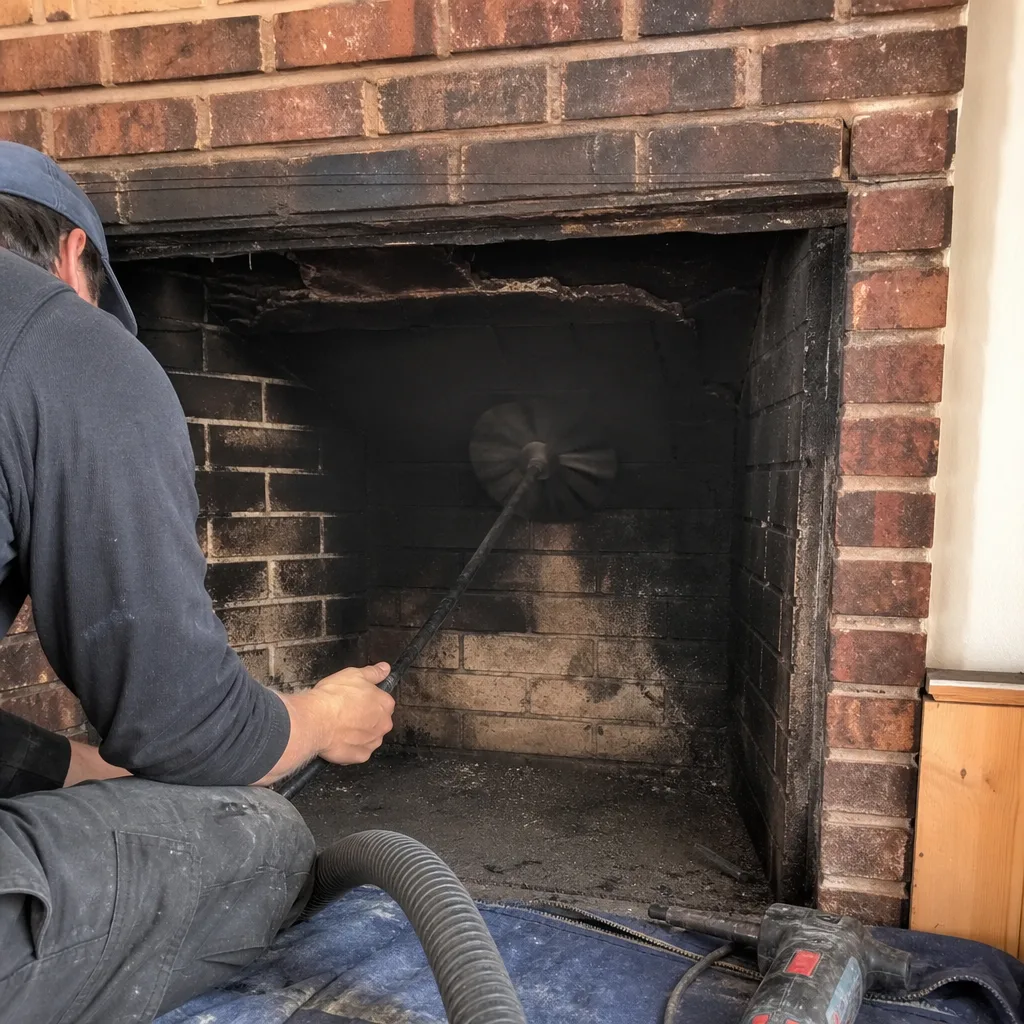 Before
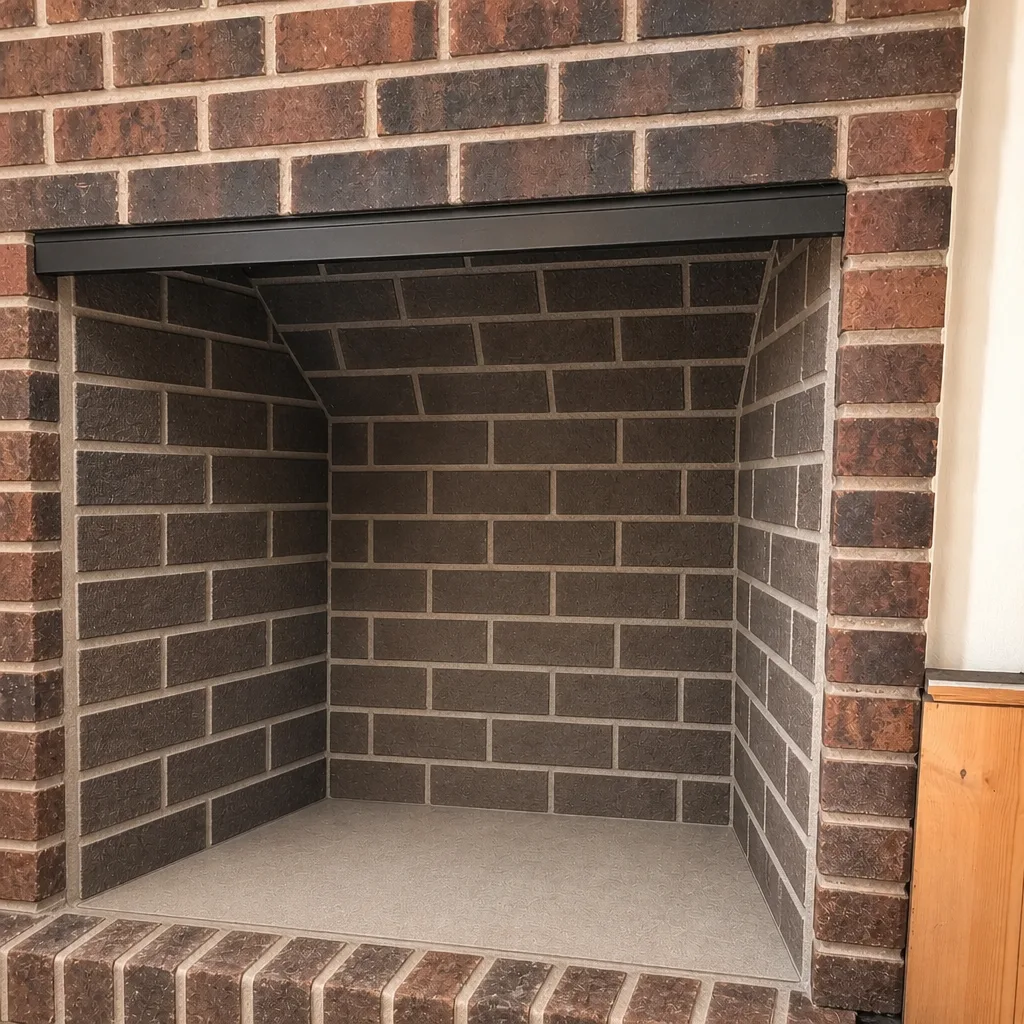 After
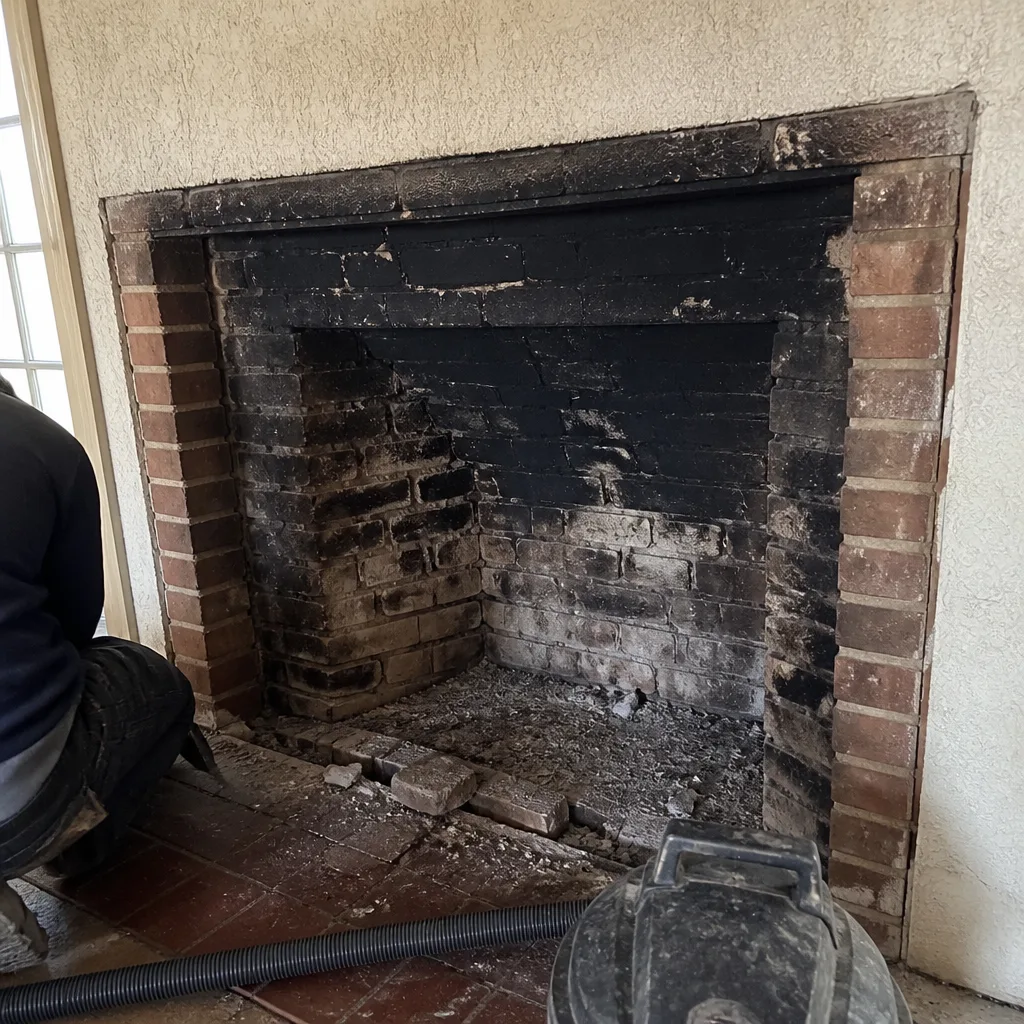 Before
 After
 Before
 After