
Last updated November 24, 2026
 Sweep & inspection
 Caps & crowns
 Flue relining
 Masonry repair
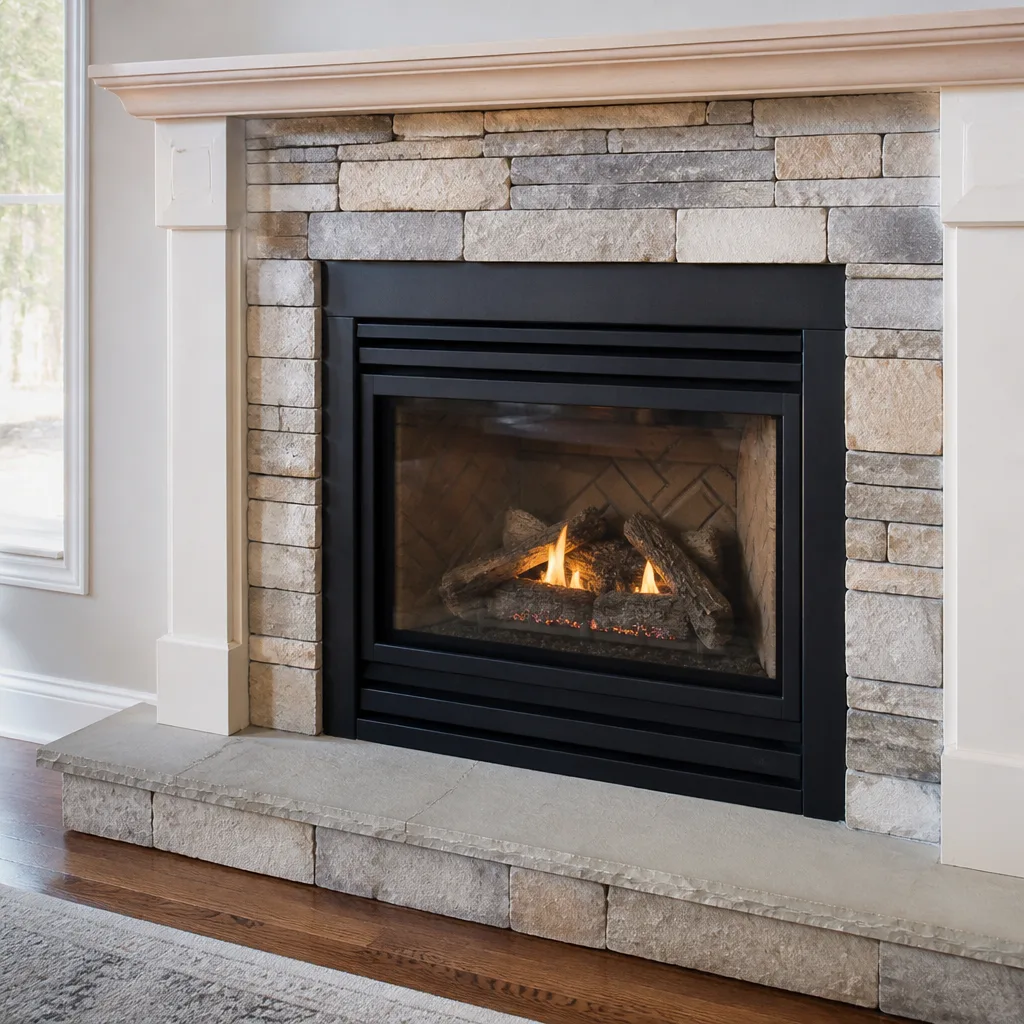 Gas fireplace service
Level 1 sweep and inspection to the NFPA 211 annual standard - flue, crown, cap, and flashing checked and photographed
Chimney sweep logs do not sweep chimneys. They loosen some creosote - which then falls where a brush and vacuum still have to collect it.
Chimney Sweep Maintenance Checklist for Lehi Homeowners
Most chimney damage we’re called to in Lehi didn’t start with a dramatic failure. It started with a homeowner who had a checklist, worked through every box, and still didn’t know what they were actually looking at. A visual pass without context is organized guessing. Your chimney is a system: flue, crown, cap, flashing, firebox and damper all have to work together, and the weak point is rarely the one you can see from the driveway. What follows is a triage tool, not a PDF of boxes. It separates what you can honestly judge yourself, what needs a tool and a trained eye, and what quietly gets expensive if you leave it another two seasons.
Quick Answer
A useful maintenance checklist for a Lehi home has three tiers: what you can see yourself every month and at each season change, what you can operate by hand (damper, cap, cleanout door), and what only a professional can assess with instruments and access (liner integrity, smoke chamber, flashing seal). Yearly professional inspection and sweeping anchors all three. Everything else in this guide is about knowing which tier a problem falls into so you can decide, with evidence, whether to act now or wait.
Styles & brands we work with
- Sweep & inspection
- Caps & crowns
- Flue relining
- Masonry repair
- Gas fireplace service
Table of Contents
- The Three-Tier System: What You Check, What a Pro Checks
- Tier One: Your Monthly and Seasonal Visual Pass
- Tier Two: The Mechanical Checks You Can Do by Hand
- Tier Three: What Only a Professional Can Assess
- Reading Your Firebox: Healthy vs. Early Warning
- Gas Log Sets: A Different System, a Different Cadence
- A Lehi Seasonal Calendar for Chimney Care
- When to Call a Professional
The Three-Tier System: What You Check, What a Pro Checks
The reason so many chimney problems get missed isn’t laziness. It’s that homeowners are handed a single undifferentiated list and told to “check the chimney.” That list mixes a water stain on the ceiling with a cracked flue tile, as though you could inspect both the same way from the living room. You can’t. Dividing the work into tiers makes the trade-offs honest: some checks you genuinely can do, and some you can’t no matter how careful you are.
Here’s the split we use when we walk a Lehi homeowner through their system:
- Tier One – visual (you): Look for water staining, rust, loose mortar, debris on the cap, and anything that changed since last season. Monthly in spring and fall, plus after any big storm.
- Tier Two – mechanical (you): Operate the damper, check the cleanout door seal, and confirm the cap is intact and free of nests or blockage. Seasonally, before each burning season.
- Tier Three – professional only: Liner integrity, smoke chamber condition, flashing seal at the roofline, and the interior of the flue above and below the smoke shelf. Annual inspection.
Two of the three tiers belong to you. The third doesn’t, and that’s fine. A checklist’s job is to tell you the truth about which tier you’re standing in. If you’ve noticed staining, odor, or draft problems and want a structured assessment rather than a guess, our Chimney Sweep Lehi page is the place to start. We diagnose before we quote – no surprise add-ons after we’re on your roof.
Tier One: Your Monthly and Seasonal Visual Pass
Tier one is the part of the checklist you can do in your slippers. It catches water intrusion, wildlife entry, and masonry movement early enough that the fix is often minor. The catch is that a visual pass only tells you something changed, not what it means – which is why you log it and pass the findings along rather than drawing conclusions.
Work through these in order, monthly during spring and fall and again after any major storm:
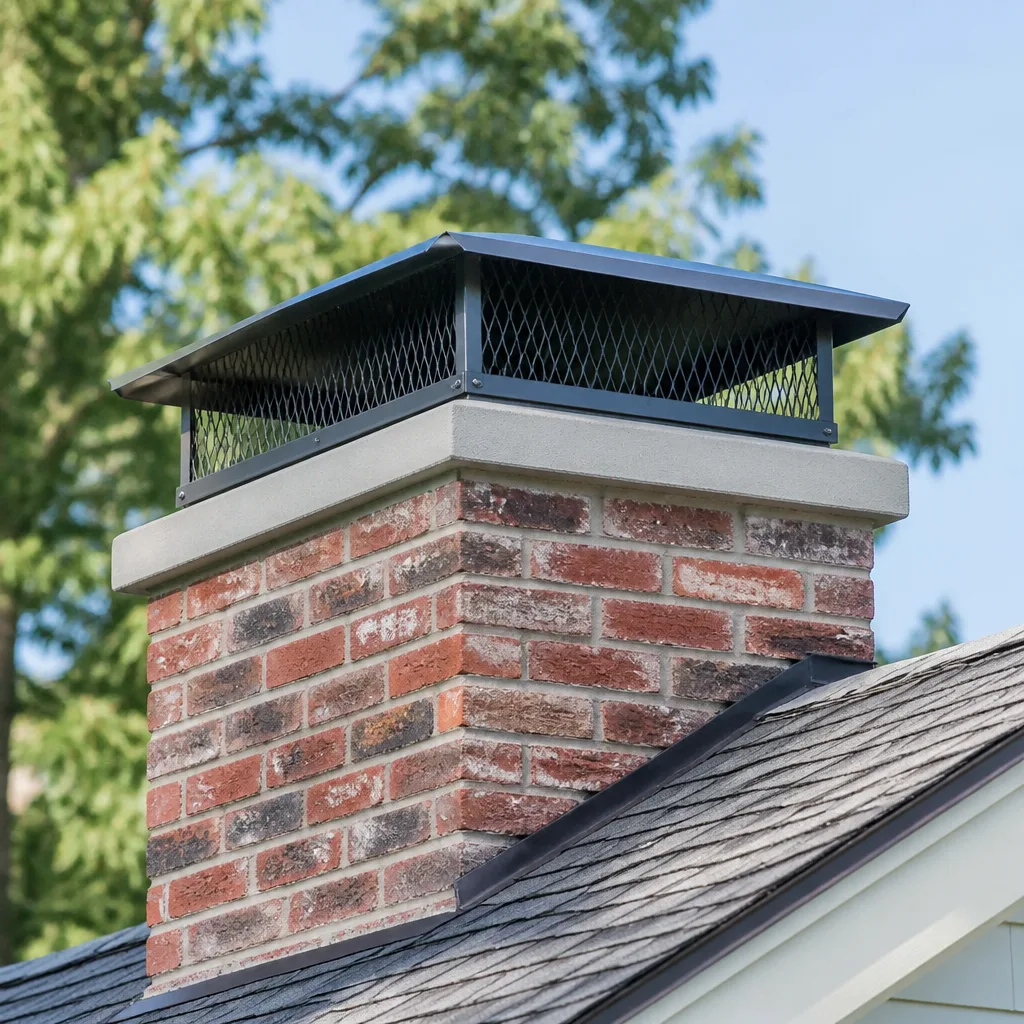
- Look up from the ground. From the driveway or backyard, check the cap and crown. The crown is the concrete crown that slopes away from the flue at the top of the chimney. It should look whole and slope away from the flue. Crumbling or a flat, pooling crown is a water-intrusion source, not just a cosmetic flaw.
- Check the roofline for staining. Dark streaks on the masonry below the cap or on the flashing tell you water is getting in somewhere. A staining pattern is a clue, not a diagnosis; note it and move on.
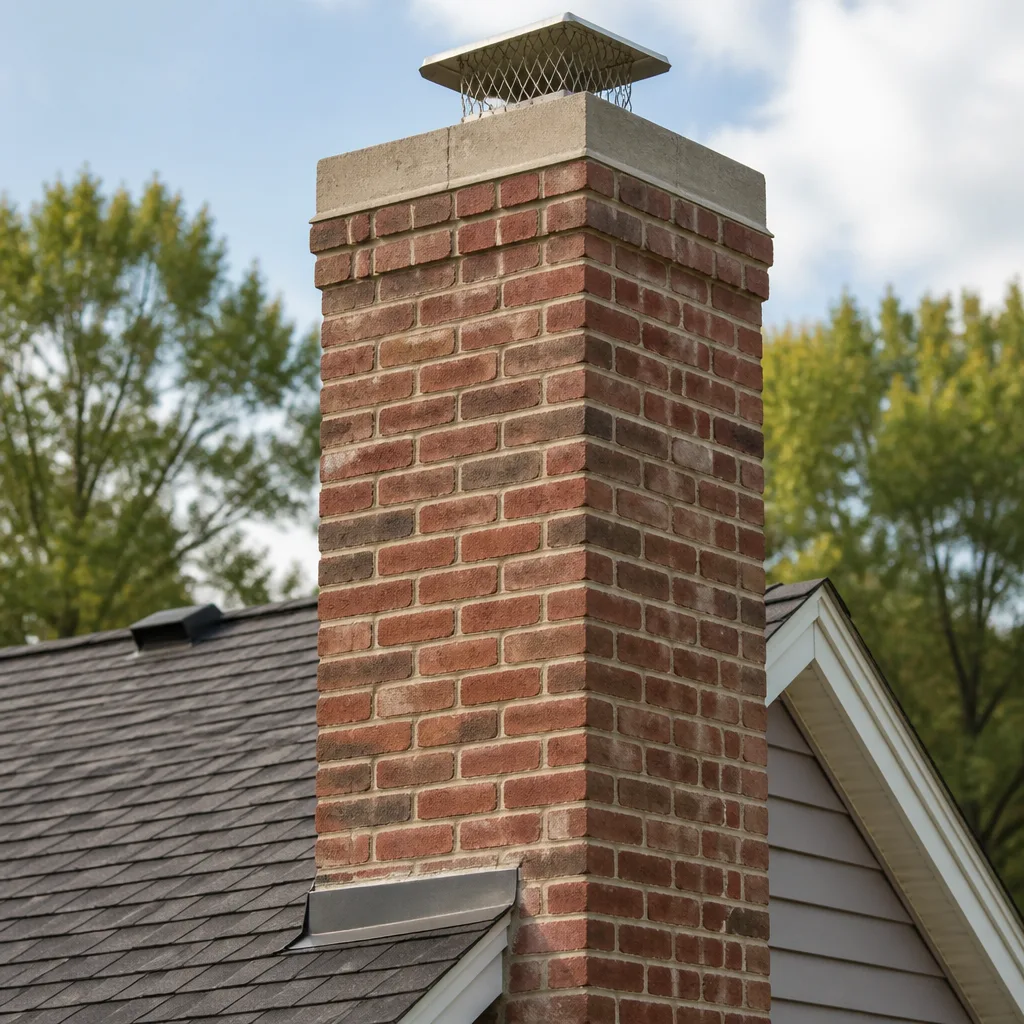
- Look for mortar spalling. After freeze-thaw cycles, the mortar joints between bricks can crumble or shed flakes. In Lehi, a wet winter followed by a hard freeze is the pattern that loosens joint mortar first on the sun-facing side, so scan the sunny wall for loose grit.
- Check the cap for debris. On a two-story chimney, check from a safe vantage rather than the roof. Nests, leaves, and cottonwood seed matter here (more on that below). Never get on the roof yourself; a wet or frosty Lehi roof is not a homeowner’s job.
- Scan your ceiling and attic near the chimney. Any water stain, rust ring, or softened drywall is worth noting, even if it’s small.
That’s the whole tier one pass. Note what you see with a phone photo and the date. A dated record is what turns “looks fine to me” into something a professional can work from.
Tier Two: The Mechanical Checks You Can Do by Hand
Tier two is about moving parts. A damper that sticks, a cleanout door that won’t seal, or a cap that’s come loose can turn a working chimney into a leak or a draft problem. These checks are safe to do by hand, without climbing, and they take about two minutes each.
At the start of each burning season, and again mid-season if you notice draft trouble:
- Operate the damper. Open and close it fully. It should move without grinding. A damper that won’t open all the way, or stays stuck partly closed, changes how your fire burns and can let smoke back into the room. If it’s stiff, note it; don’t force it.
- Confirm the cleanout door. It should sit tight against its frame with a working latch. A cleanout door that hangs open pulls cold air up the flue and lets creosote dust into the room. If the gasket or latch is worn, that’s a mechanical repair, not a cleaning.
- Inspect the cap from a safe standing point. The cap keeps rain, birds, and debris out of the flue. It should sit square over the flue with intact mesh or louvers. Bent mesh or a shifted cap is a fix, and worth doing before it becomes a nest problem.
- Check for the “draft test.” With the flue cold, you can sometimes hold a hand near the open damper to feel whether the chimney is drawing. It’s an imprecise test. What you’re looking for is whether smoke pushes back into the room when you light the first fire; if it does, note it and don’t repeat the fire.
What tier two won’t tell you is why the damper sticks or whether the cap is the source of the water. Those are tier three questions, and they need access and instruments to answer honestly.
Tier Three: What Only a Professional Can Assess
Tier three is where the DIY checklist ends, and it’s the tier that matters most for fire and carbon monoxide safety. Liner integrity, smoke chamber condition, and flashing seal all sit behind masonry or above your roofline. No visual pass from the ground can judge them. This is where a real inspection earns its keep.
A proper professional assessment covers:
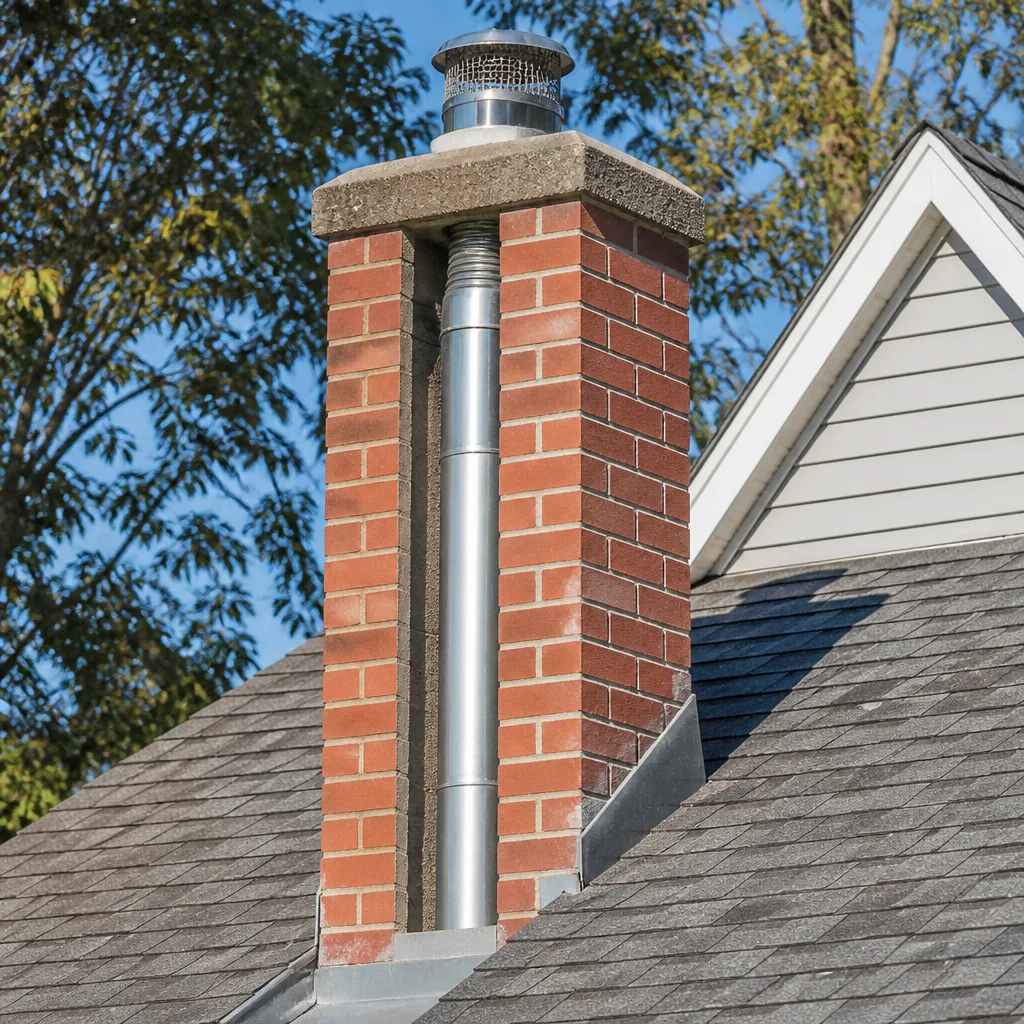
- Liner integrity. The flue liner carries combustion gases up and out. Cracked, spalling, or missing clay tiles are a serious concern because both creosote and carbon monoxide can pass through them. A camera inspection is the only honest way to see what’s going on inside the flue.
- Smoke chamber. The sloped area just above the damper where smoke is drawn up into the flue. It’s a common place for creosote build-up and a common place for a cracked firebox to be hidden.
- Flashing seal. The metal flashing around the chimney where it meets the roof is the single most common entry point for water. A flashing failure is invisible from the ground but obvious from the roof.
- Creosote depth. How much creosote has built up inside the flue, and whether it’s the glazed, hard type that needs a different cleaning method. This is a measurement, not a glance.
Our technicians have up to 10 years of experience, and every visit starts with an inspection so the work follows the evidence. We use professional-tier materials – DuraFlex liner systems, HeatShield resurfacing among them – the products chimney specialists specify, not hardware-store substitutes. When a flue turns out to be restorable, HeatShield resurfacing can sometimes save you a full liner replacement. When a full liner is the honest answer, we’ll tell you that too, with the camera evidence to back it up.
Reading Your Firebox: Healthy vs. Early Warning
Your firebox is the most-watched part of your chimney and the least-understood. Most checklists say “check for cracks,” which is about as useful as “check for weather.” Here’s the visual difference between a firebox that’s holding up and one that’s telling you something.
What a healthy firebox looks like: The brick face inside is even in color, with the mortar joints tight and continuous. The firebrick lining (the lighter-colored brick inside the firebox) is intact with no gaps. The damper above the firebox closes fully. There’s no white powdering on the brick, no rust on the firebox grate, and no crumbling of the mortar where the firebox meets the smoke chamber.
Early warning signs:
- White, powdery staining on the firebox brick or the exterior masonry. That’s efflorescence, and it usually means water is moving through the masonry. On a Lehi home, it’s often the first thing we see after a long wet winter.
- Cracked or spalling firebrick at the joints, especially where the firebrick meets the smoke chamber. Small dark gaps are normal; open cracks are not.
- Rust or corrosion on the firebox grate or the damper frame. Rust means moisture is present, which means something is leaking.
- Smoke rolling back into the room on the first fire of the season, especially on a cold morning. That can be a draft problem, a damper issue, or a smoke chamber problem, and it needs to be diagnosed, not ignored.
Efflorescence and open cracks aren’t a “wait and see.” They’re a call. A firebox that’s losing mortar or holding water gets worse, never better, and the firebox is where a fire actually lives.
Gas Log Sets: A Different System, a Different Cadence
Gas fireplace maintenance is a separate track from wood-burning maintenance, and most homeowners who switch to gas assume the annual checklist goes away. It doesn’t. A gas log set has different failure points and a different cadence. The good news is you’re not carrying soot and creosote up a flue; the bad news is you’re carrying something else.
On a gas fireplace, the items that matter are:
- Venting and draft. Gas units still vent through the flue and still need the flue clear and sealed. A blocked vent on a gas unit can push combustion gases, carbon monoxide included, back into the room. That risk is why a professional inspection still matters even without soot.
- The log set itself. Gas logs can develop soot, and the ember bed can clog over time. Soot buildup on a gas log set is a sign of incomplete combustion and often a sign the log placement has shifted.
- The burner and gas connection. Gas lines are not a homeowner item. The gas connection and burner are checked by a professional because the failure mode is carbon monoxide, not a slow leak you’d notice.
- The firebox and glass. On a direct-vent gas unit, the glass and firebox need cleaning to keep the flame reading correctly. On a vented gas log set, the firebox and grate still need an annual check.
The cadence differs too. A wood-burning chimney needs a sweep based on how much you burn – typically annually for most Lehi homes. A gas fireplace needs an annual inspection and cleaning, but the “creosote depth” measurement doesn’t apply, and the checklist shifts toward venting, combustion, and the log set. If your home has both a wood-burning fireplace and a gas unit, they get checked on their own schedules, not melded into one visit.
A Lehi Seasonal Calendar for Chimney Care
Lehi’s seasons drive the chimney calendar more than most homeowners realize. The valley floor means cold, settled air in winter and sudden freeze-thaw swings in late winter and early spring, when wet masonry takes on water and then refreezes overnight. That sequence is what loosens mortar joints and shatters firebrick. Timing your checks to those cycles is more useful than a generic “before winter.”
Here’s the cadence that fits a Lehi home:
- Early spring (March-April): This is the freeze-thaw stress point. After the last hard freeze, do your tier one visual pass on the exterior – mortar joints, crown, and masonry face. This is when spalling from the winter shows up, and it’s the moment to catch it before it becomes a structural repair.
- Late spring (May): Watch for cottonwood seed. The cottonwood trees around Lehi shed copious seed in May and June, and that seed clogs chimney caps and the flue opening fast. Check your cap, and if you see seed accumulating, clean it off from the ground or call us. A seed-blocked flue is a smoke problem waiting to happen.
- Summer (June-August): New construction and summer storms. If there’s a lot of new-build going on nearby, blowing dust and debris find their way onto roofs and into flues. And summer storms bring more than the usual wind – check the cap and flashing for movement after any major blow.
- Early fall (September-October): Before your first fire, do the tier two checks – damper, cleanout door, cap. This is also the window to book your annual professional inspection, before the pre-winter demand builds.
- Late fall (October-November): If you haven’t had a professional inspection yet, this is the deadline. A flue measured and confirmed clear is what lets you burn safely all season.
- Winter (December-February): Burn season. Do your monthly tier one and tier two checks. If you notice smoke rolling back, a strange smell, or staining that wasn’t there in the fall, stop and call – don’t wait for spring.
One note on the calendar: a sweep is booked, so the timing is seasonal, not hourly. Build the inspection into the early fall window and you’ll never scramble. Our chimney sweep is scheduled by appointment, and a Lehi sweep in the early fall is the difference between a calm start to the season and a rushed one.
Common Mistakes to Avoid
- Treating the checklist as a checklist. The real failure is deleting items because they feel redundant or fine. Each check catches a different problem; skipping one because last month it was fine is how problems get missed.
- Climbing the roof yourself. A chimney inspection is a roof job, and a wet or frosty Lehi roof is genuinely dangerous. Leave the roof to a professional and do your checks from the ground with binoculars.
- Ignoring efflorescence. White powder on masonry is easy to wipe off and easy to ignore. It’s usually water moving through the masonry, which is a chimney problem, not a cosmetic one.
- Burning green or soft wood. Unseasoned wood lays down creosote fast. In a valley climate with cold winters, that build-up climbs quickly. Burn seasoned wood and your sweep interval stays honest.
- Letting cottonwood seed sit on the cap. It’s a May-June problem in Lehi and it can block a flue in a season. A quick look at the cap in late spring is cheap; a blocked flue is not.
- Using a general repair person for a liner issue. Chimney work isn’t a general handyman’s wheelhouse. The liner, smoke chamber, and flashing need a chimney professional, and a wrong repair can leave the flue compromised.
- Ignoring a smoke-chamber smell in summer. A lingering sour smell in warm weather usually means creosote in the smoke chamber or a draft problem. It’s a professional check, not a candle-and-air-freshener problem.
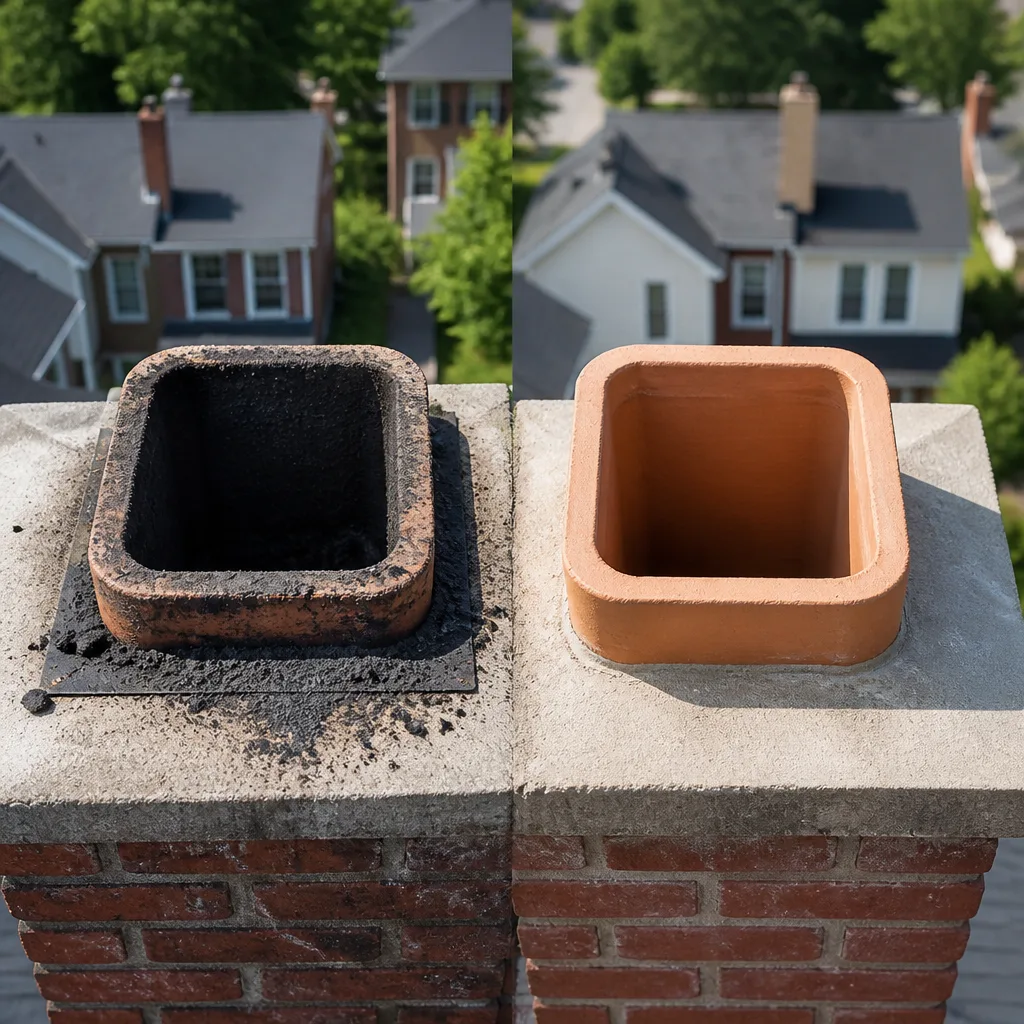
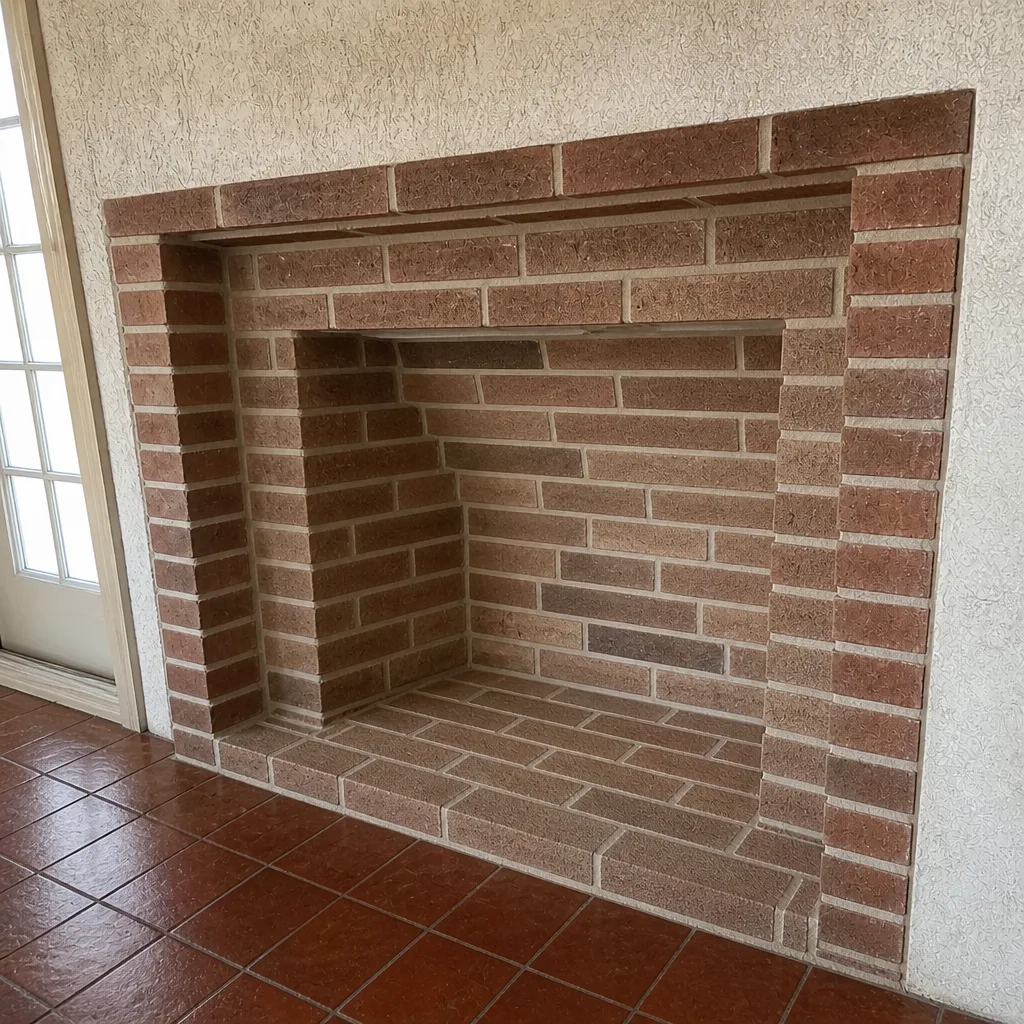
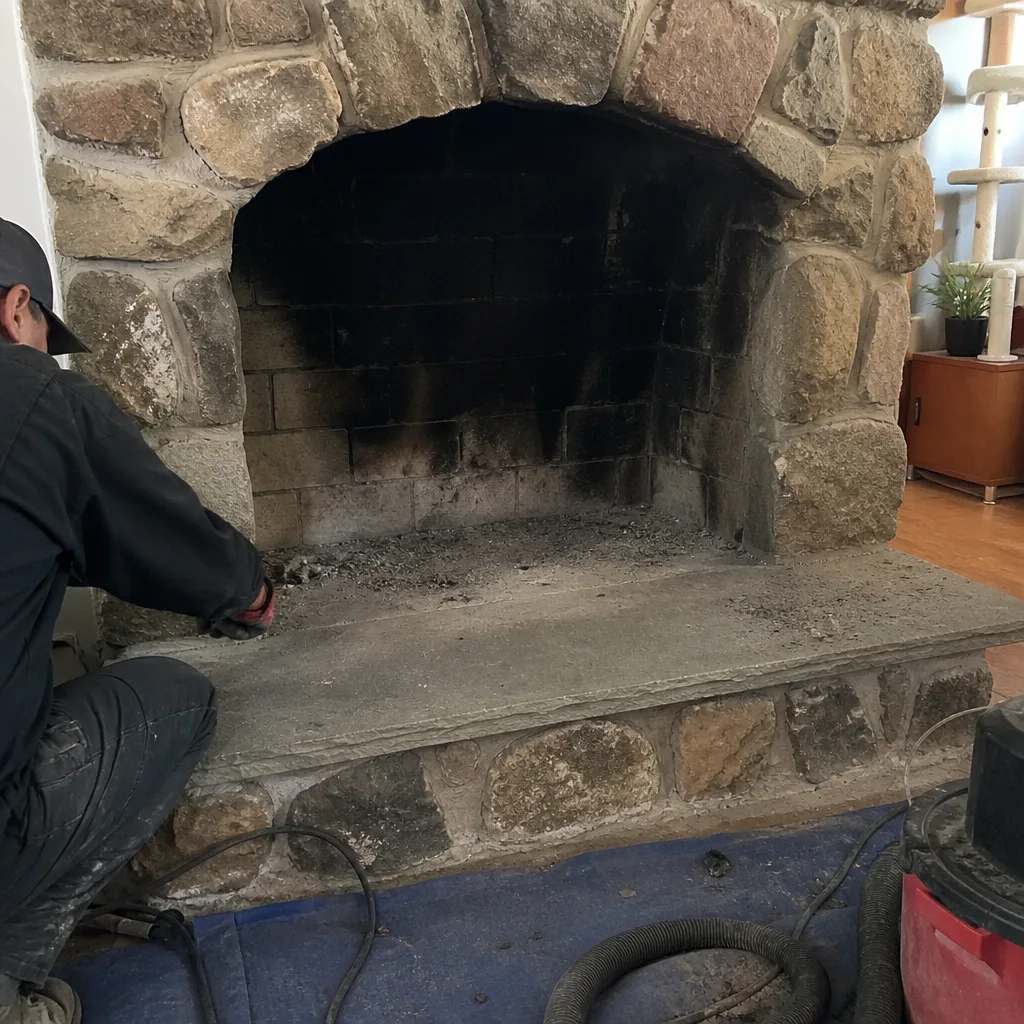
See the difference
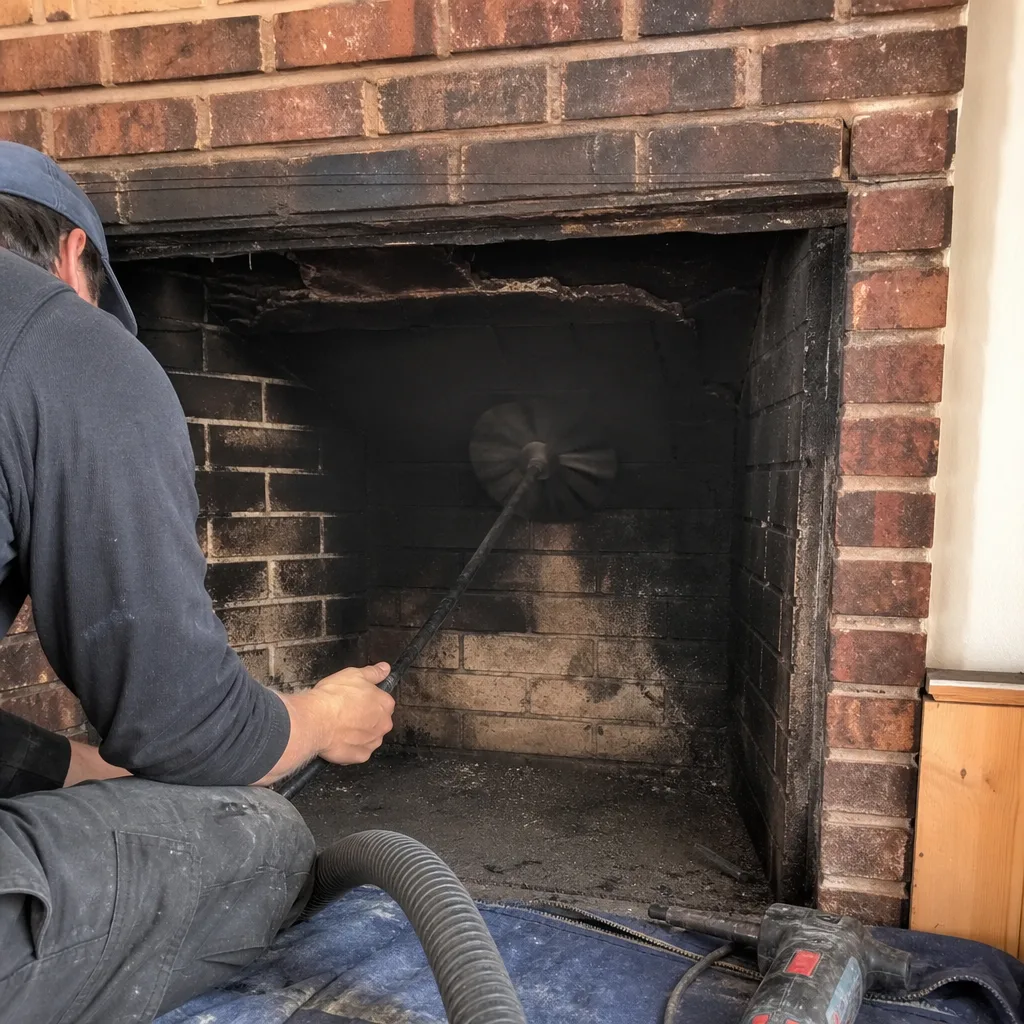 Before
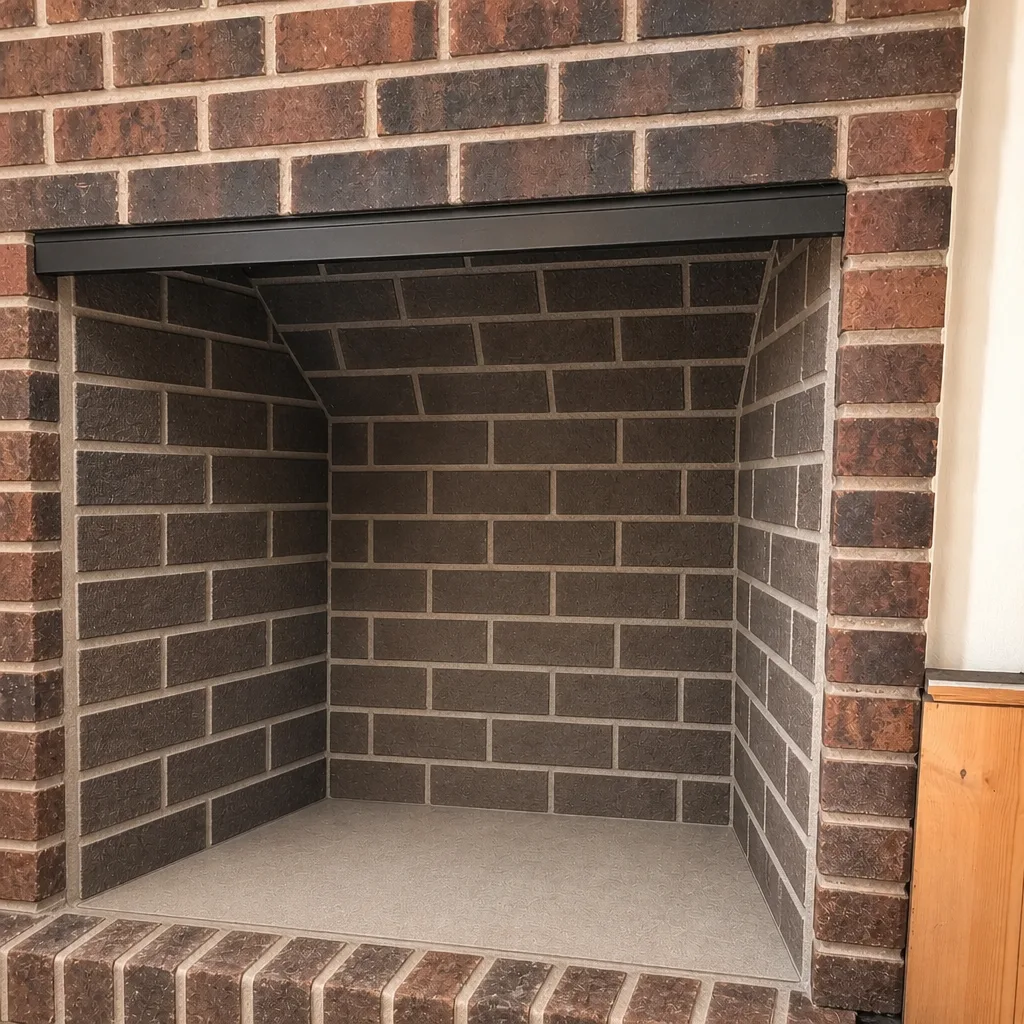 After
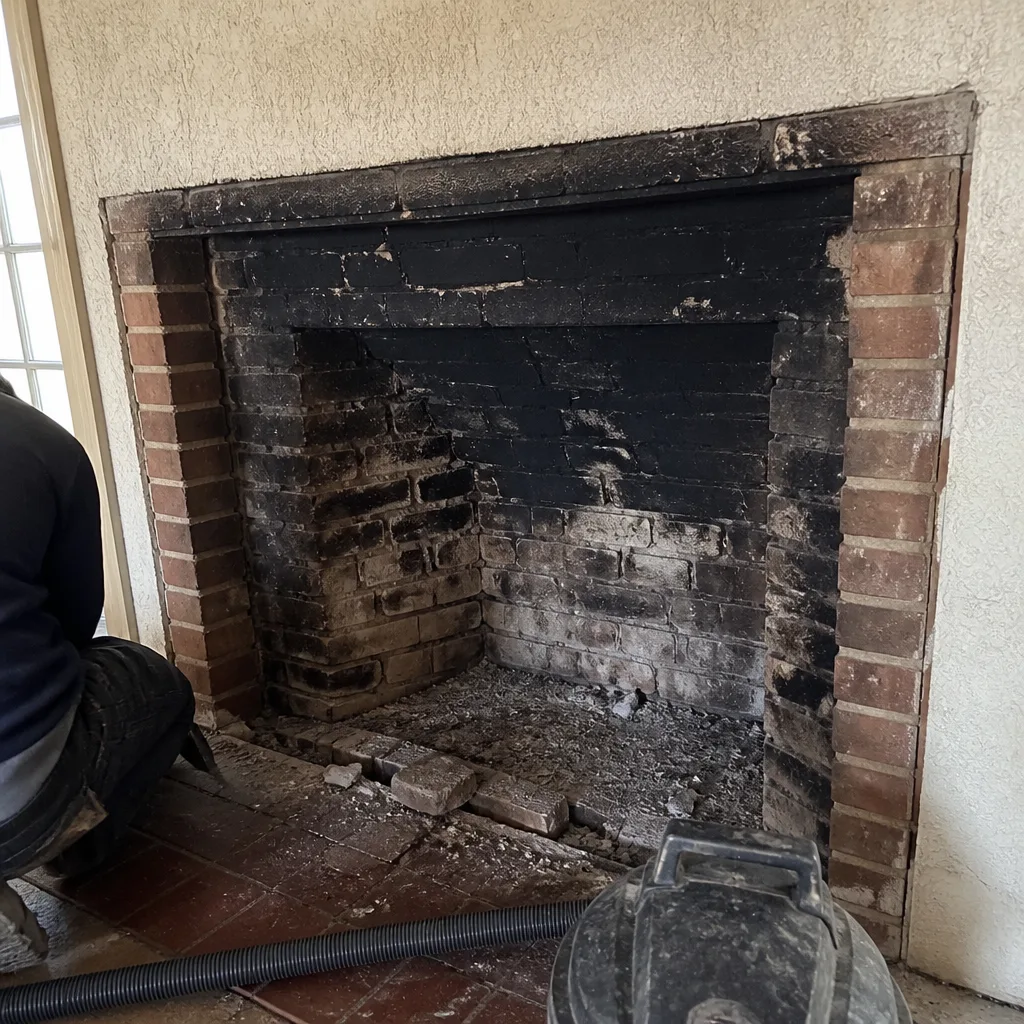 Before
 After
 Before
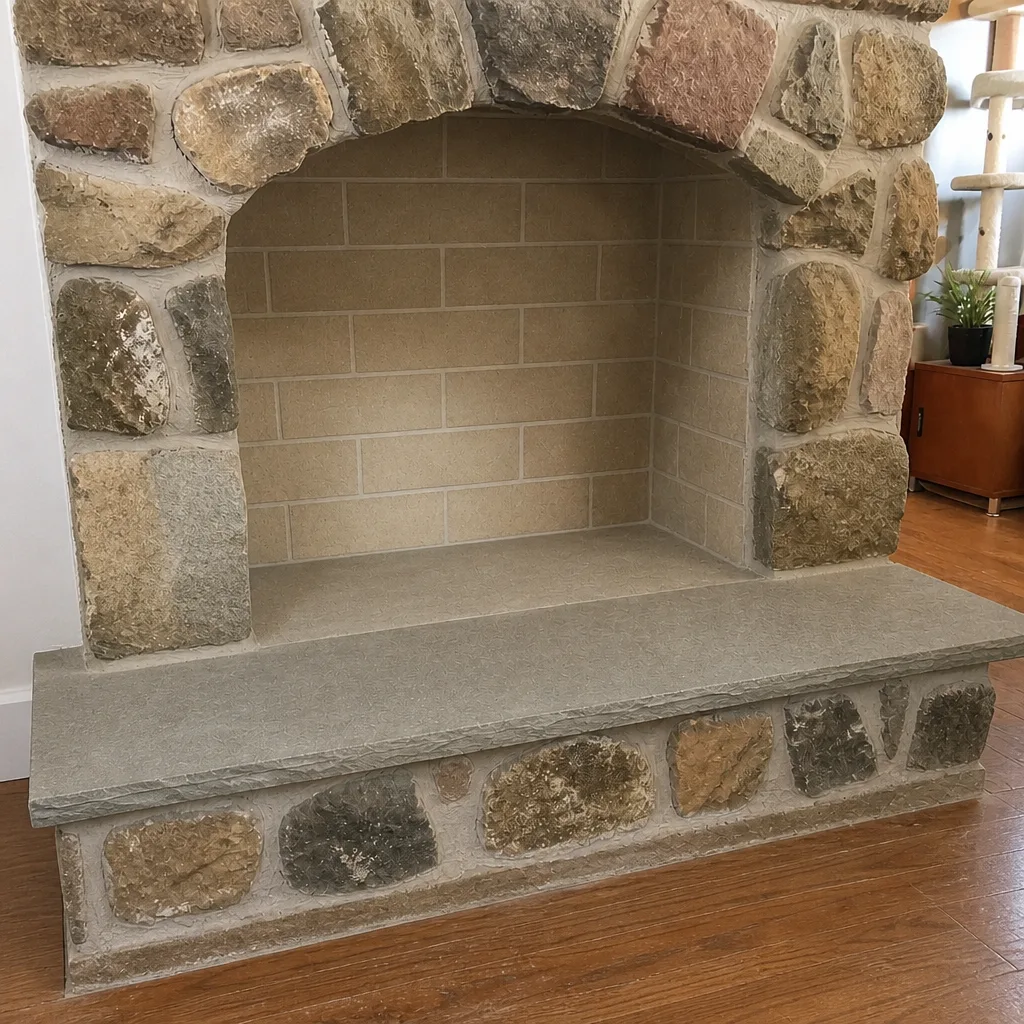 After
When to Call a Professional
You should call a professional when something on your checklist changes and you can’t explain it, when the change involves the flue, liner, smoke chamber, flashing, or firebox, or when you simply want the annual inspection that keeps the checklist honest. The reasonable homeowner hesitation is being told they need thousands of dollars of liner or masonry work they have no way to verify. Here’s how we handle that: every visit begins with an inspection, and the camera evidence we find is what we show you – so you’re not asked to approve a liner or a masonry repair on our word alone. Sometimes the honest answer is that nothing needs doing and the system can safely wait until next year.
A sweep and inspection from us is a booked visit; the estimate is free and the written estimate sets the final price. If you’re not sure which tier a problem is in, that’s the call to make. Call (855) 337-1677. We answer 24/7. Fast dispatch from 7am to 7pm, Sunday through Friday.
Frequently Asked Questions
Annually, before the first burn of the season. Our technicians have up to 10 years of experience, and the inspector will confirm the flue, liner, smoke chamber, and flashing in one visit. For wood-burning fireplaces that see regular use, an annual sweep and inspection is the standard. If you notice smoke rolling back or staining between visits, don’t wait for the next cycle.
You can check for exterior staining, loose mortar, cap debris, damper operation, and firebox condition from the ground and the living room. You can’t check liner integrity, smoke chamber condition, or the flashing seal – those need roof access and instruments. The guide above splits the work into three tiers so you know which is which.
Yes. A gas log set has different failure points – venting, the log set, the burner, the firebox – and it still needs an annual inspection and cleaning. Carbon monoxide from a blocked gas vent is a real risk, so the venting check isn’t optional just because there’s no soot.
Yes, though the cap helps. A cap keeps rain, birds, and debris out, but it doesn’t stop creosote from building inside the flue. A cap is part of the system, not a replacement for the annual sweep and inspection. And a cap can get clogged – with cottonwood seed in Lehi, in late spring, that happens more than you’d think.
A sweep is the cleaning. An inspection is the diagnosis – the camera assessment of liner, smoke chamber, and firebox. We treat them together on every visit: the inspection tells us what needs sweeping and what needs repair, so the cleaning is targeted and justified. A sweep without an inspection is cleaning blind. If you’ve been told you need a liner or masonry repair, ask to see the camera evidence before agreeing to anything.
Regular sweeping and inspection greatly reduce the risk of a chimney fire, because creosote build-up is the fuel. What maintenance can’t do is catch a hidden liner crack or a compromised smoke chamber – that’s why the annual inspection matters as much as the sweep. If you notice a smell of burnt creosote in the living room, or staining on the masonry, call (855) 337-1677 for a free estimate and ask us to check.
The Bottom Line
A good chimney maintenance checklist for a Lehi home isn’t a list of boxes. It’s a triage system. Tier one is your monthly and seasonal visual pass – staining, mortar spalling, cap debris. Tier two is your damper, cleanout, and cap checks. Tier three – liner integrity, smoke chamber, flashing – is a professional job, every year, and it’s the one that keeps your flue safe. Lehi’s freeze-thaw cycles, cottonwood seed, and construction dust shape how your chimney ages, so the timeline that actually works follows the seasons, not a generic calendar. If you want a documented assessment with camera evidence, call (855) 337-1677 for a free estimate. We diagnose before we quote, and the written estimate sets the final price. Our fireplace repair and chimney repair teams handle the rest, all under one roof.
Written by the team at Chimney Sweep Lehi.