
Last updated November 24, 2026
 Sweep & inspection
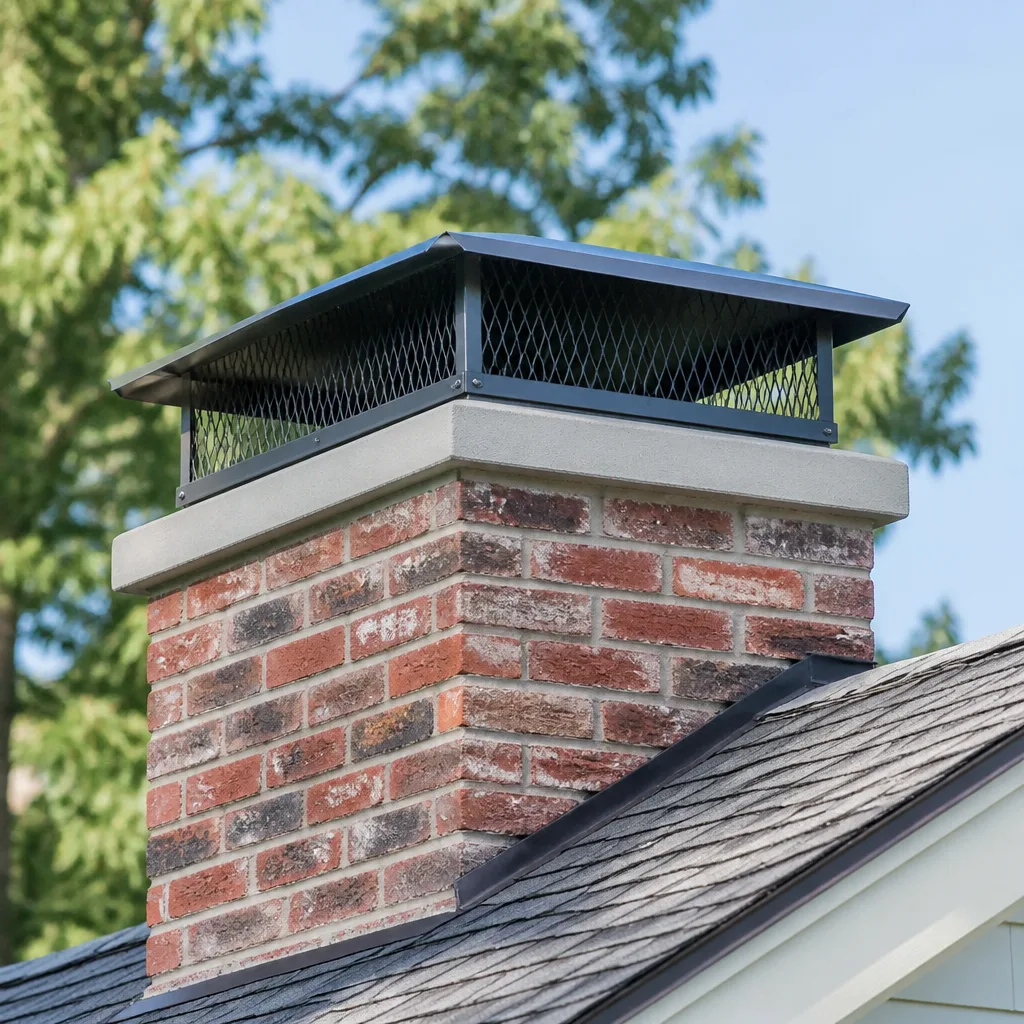 Caps & crowns
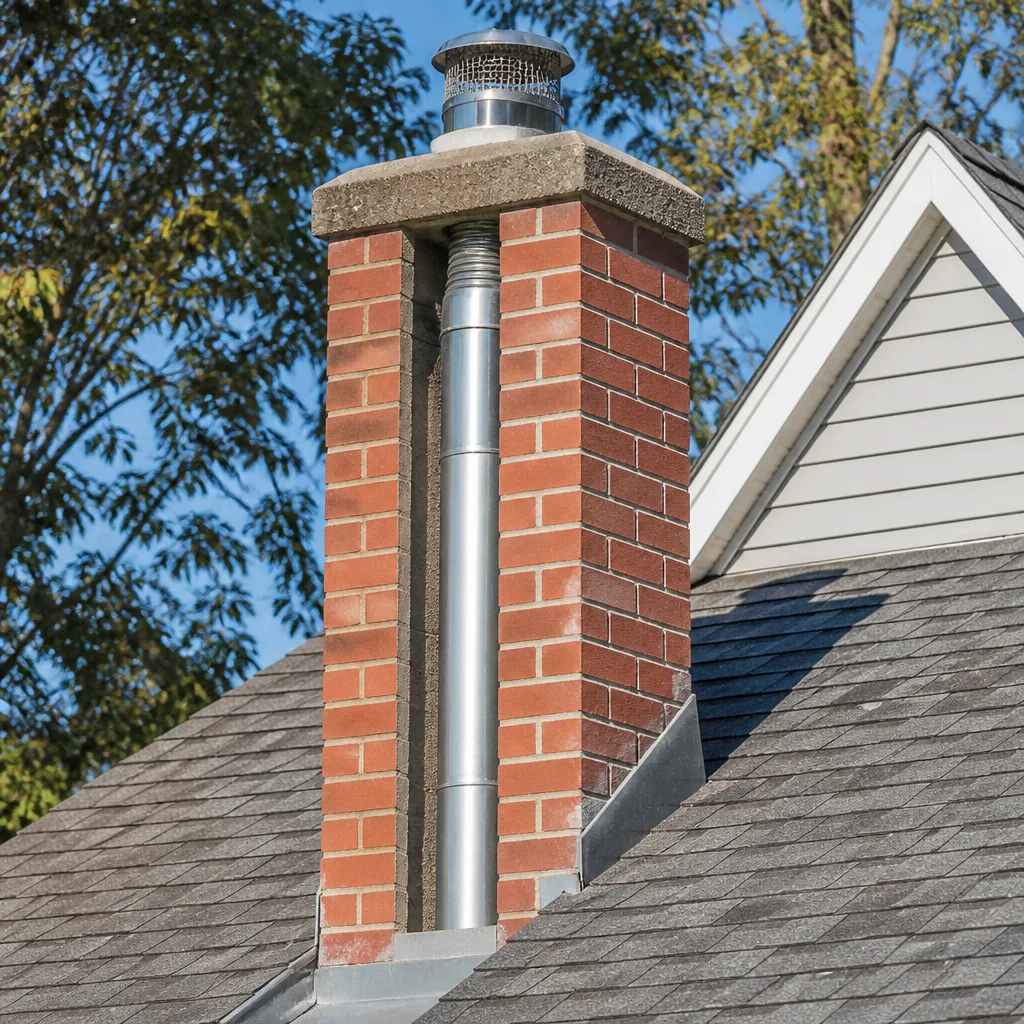 Flue relining
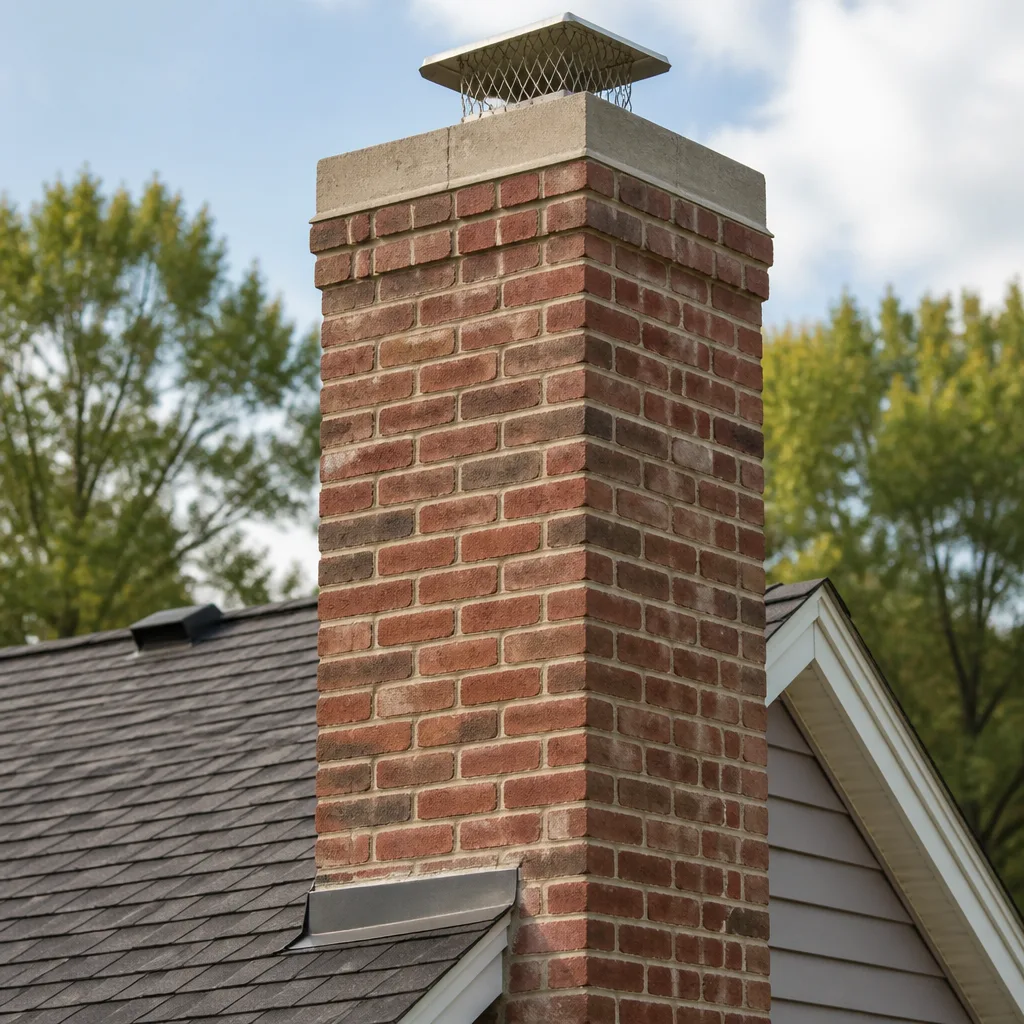 Masonry repair
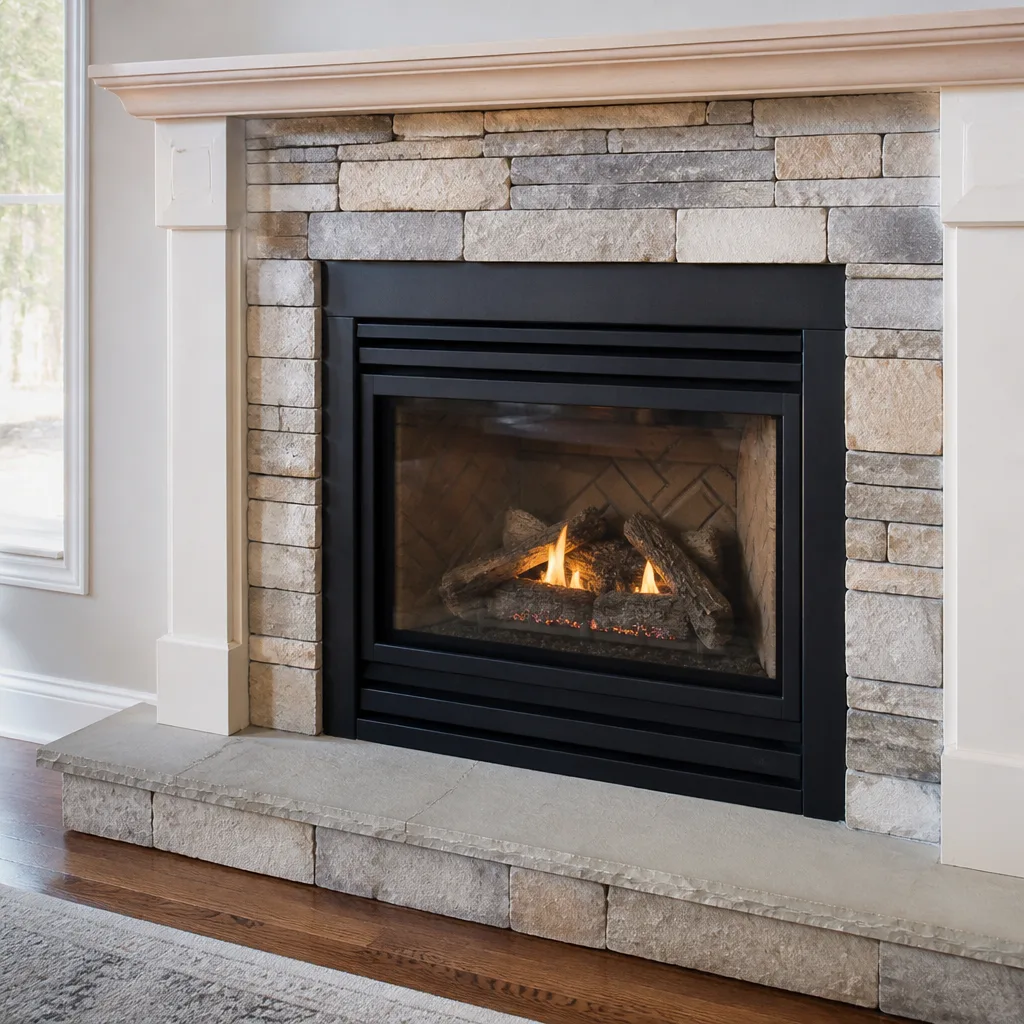 Gas fireplace service
Level 1 sweep and inspection to the NFPA 211 annual standard - flue, crown, cap, and flashing checked and photographed
Chimney sweep logs do not sweep chimneys. They loosen some creosote - which then falls where a brush and vacuum still have to collect it.
Chimney Cleaning Cost Breakdown: The Lehi Homeowner’s Reference for 2026
The cheapest chimney sweep quote in Lehi typically covers brush cleaning of the flue and nothing else: no camera inspection, no smoke chamber evaluation, no written report. That’s not a deal. That’s a cleaning without a diagnosis. A sweep who spends two hours on your roof and hands you a hand-written receipt has done half a job, and the half they skipped is the half that tells you whether your flue is safe to burn in this winter. This guide breaks down what each price tier actually includes, what it excludes, and what the excluded work costs you two seasons later. You’ll see line-item ranges for Lehi specifically, the difference between a visual inspection and a camera inspection, and the quote red flags that separate a real chimney company from a guy with a brush.
Quick Answer
Chimney cleaning in Lehi in 2026 typically runs $180 to $320 for a standard sweep with a Level 1 visual inspection, $320 to $480 when a Level 2 camera inspection is included, and $2,400 to $6,500 for liner restoration or relining depending on the method. The price gap between quotes usually isn’t a gap in labor cost. It’s a gap in scope: a $99 special cleans the flue and stops there, while a specialist quote includes the diagnosis, the documentation, and the safety evaluation that tells you what’s actually happening inside the chimney system.
Styles & brands we work with
- Sweep & inspection
- Caps & crowns
- Flue relining
- Masonry repair
- Gas fireplace service
Table of Contents
- What’s Actually in a Chimney Cleaning Quote?
- What Does Chimney Cleaning Cost in Lehi in 2026?
- Visual Inspection vs. Camera Inspection: What’s the Difference?
- What Do Liner Repairs Cost, and Which Method Do You Need?
- Cap and Crown Work: The Water Problem Nobody Quotes For
- Why Professional-Grade Materials Cost More Than Big-Box Substitutes
- What Deferring Chimney Work Actually Costs
- Quote Red Flags: How to Read a Chimney Estimate
What’s Actually in a Chimney Cleaning Quote?
A chimney cleaning quote bundles five separate line items, and a fair estimate names each one. When you’re comparing estimates side by side, ask what’s included in each of these five categories. A quote that won’t break them out is hiding something, usually the inspection.
1. Basic sweep labor. This is the brush work in the flue, the firebox cleaning, and the soot removal. It’s the visible part, the part homeowners expect, and the part that makes up maybe half of a legitimate quote. It takes one to two hours on a typical single-story home with one flue.
2. Inspection tier. Every sweep includes at least a Level 1 visual inspection: looking up the flue from below, checking the firebox and damper, checking accessible parts of the exterior. A Level 2 inspection adds a camera run through the flue and a look at the smoke chamber, which is where most incomplete combustion deposits build up and where cracks hide.
3. Report documentation. A written condition assessment with photos of anything flagged. This is the item that separates a diagnosis from a cleaning. If you don’t have a written record of what your flue looked like on the day it was swept, you have no baseline to compare against next year.
4. Liner inspection add-on. Camera work on a flue that requires a run of camera equipment, often on a second or third flue, or on a chimney with offsets and a tile liner that needs individual joint inspection. Sometimes quoted separately because it genuinely takes longer.
5. Travel and setup. Roof access, ladder setup, drop cloths, and site protection. A two-story home with a steep pitch takes significantly more setup time than a single-story ranch, and a quote that ignores that gap is either cutting corners on safety setup or underestimating the job.
The distinction matters most in Lehi, where a lot of homes on the bench have two flues (one for the main fireplace, one for a basement or secondary appliance) and a chimney that runs taller than average. A flat “sweep special” price assumes one flue, one story, and easy access. If your home doesn’t fit that assumption, the special either gets re-priced on the driveway or quietly skips the second flue.
What Does Chimney Cleaning Cost in Lehi in 2026?
These are typical estimated ranges for the Lehi market in 2026, not firm prices. Every job gets a written estimate before any work starts, and that estimate sets the final price. Use these numbers to sanity-check quotes, not to negotiate a race to the bottom.
| Service | 2026 Estimated Range | What It Covers |
|---|---|---|
| Standard sweep with Level 1 visual inspection | $180 – $320 | Brush cleaning of flue, firebox, damper check, exterior visual |
| Sweep with Level 2 camera inspection | $320 – $480 | All of the above plus flue camera run and smoke chamber evaluation |
| Level 2 inspection only (no sweep) | $220 – $360 | Camera inspection and written documentation, no cleaning |
| HeatShield liner resurfacing | $2,200 – $4,200 | Clay tile flue restoration from the inside, no liner insert |
| Stainless steel liner installation | $3,000 – $6,500 | Full-length stainless insert with insulation and connections |
| Chimney cap replacement | $280 – $650 | New professionally fabricated cap sized to the flue and flue count |
| Crown repair or rebuild | $600 – $2,400 | Sealing hairline cracks through full crown replacement |
| Firebox or firebrick repair | $500 – $2,800 | Repointing, brick replacement, or firebox rebuild depending on damage |
Notice what’s not on that table: a flat price for “full service.” Full service means nothing as a line item. It’s the term a company uses when it doesn’t want to tell you what it’s doing.
Two Lehi-specific variables push the numbers around. First is chimney height: homes built on the east bench against the foothills often have taller chimneys to clear the roofline, which adds equipment time. Second is flue count: a two-flue chimney takes roughly 40 percent more labor than a single-flue chimney of the same height, and a company that quotes a single-flue price for a two-flue chimney either didn’t look at the roof or is planning to charge you for the second flue the day they arrive. If you want to go deeper on what a standard visit looks like, our guide to a chimney sweep walks through the process step by step.
Visual Inspection vs. Camera Inspection: What’s the Difference?
A visual inspection looks at everything you can see without running a camera up the flue. A camera inspection sends a video scope up the full length of the flue and lets the technician see every joint, every offset, and every crack. They are not the same service, and they don’t catch the same problems.
Here’s what a Level 1 visual inspection covers:
- The firebox, damper, and smoke shelf from below
- The accessible lower portion of the flue
- The exterior of the chimney at roof level
- The cap, crown, and flashing
- Clearances to combustibles in accessible areas
Here’s what a Level 2 camera inspection adds:
- Full-length video of the flue interior from top to bottom
- A look at the smoke chamber, including the sloped surfaces above the damper
- Individual tile joint evaluation on clay-lined flues
- Detection of gaps, offset problems, and glazed creosote buildup
- Photo documentation of anything flagged, provided to you
The gap in coverage matters most in a benchmark climate like ours. Lehi’s cold winters mean the flue goes through repeated heating and cooling cycles, and clay tile liners crack at the joints when they do. Those cracks don’t show up on a visual inspection from below, and they’re exactly where exhaust and creosote can reach the framing of the chimney chase. A camera run is the difference between knowing the flue looks fine from the bottom and knowing the whole flue is intact.
Our process is inspection-first by design: every job begins with a structured chimney inspection, so whatever we recommend afterward is backed by evidence you can see yourself. We photo-document what the camera finds and walk you through it before any repair gets quoted. Nothing is recommended without visible proof, and if a problem is stable we’ll tell you it can wait. When it’s time for a full evaluation, our Chimney Sweep Lehi page covers how the inspection fits into a standard visit.
What Do Liner Repairs Cost, and Which Method Do You Need?
Liner repair is the single biggest cost line in chimney work, and it’s also the one most often quoted without justification. Two methods exist for restoring a compromised flue, and they’re not interchangeable.
HeatShield liner resurfacing ($2,200 – $4,200)
HeatShield is a resurfacing method. A cement-based material is applied to the inside of the existing clay tile flue to seal cracks and restore a smooth, continuous surface. It works when the original clay tile is still structurally intact but the joints are failing or the tile surface is deteriorating. The flue stays the same size, the existing structure stays in place, and the cost is meaningfully lower than a full liner insert. Most local sweep-only competitors don’t offer it because it requires specific equipment and the training to apply it correctly. It’s a real option, not a shortcut.
Stainless steel liner installation ($3,000 – $6,500)
A stainless liner is a new flue inside your existing chimney, typically built from DuraFlex liner components and insulated for safety. It’s the correct answer when the original clay tile is missing, collapsed, or so badly damaged that resurfacing won’t hold. It’s also required in many cases where the chimney is being converted from one appliance type to another. It’s the heavier, more expensive solution, and sometimes it’s genuinely the only safe one.
The choice between the two comes down to the condition of what’s already there. That’s why the camera inspection has to come first. A company that quotes a stainless liner before it has seen the inside of your flue on camera is quoting a solution to a problem it hasn’t identified. And a company that can only offer one of the two methods is going to recommend that one regardless of what your flue actually needs. Offering both means the recommendation is based on the flue, not on the tool sitting in the truck.
For the full picture of what repair work covers, our chimney repair page breaks down the range of structural work beyond the flue itself.
Cap and Crown Work: The Water Problem Nobody Quotes For
Water causes more chimney damage in Lehi than fire does. That’s not an exaggeration, and it’s the reason cap and crown work belongs in a cost conversation that’s nominally about cleaning.
Two entry points let water in. The crown is the concrete surface at the very top of the chimney, sloped to shed water away from the flue. When it cracks, water seeps down between the flue and the chimney chase, freezes, expands, and pushes the masonry apart from the inside. The cap is the metal cover over the flue opening. When it’s missing or damaged, rain goes straight down the flue and wildlife moves in. Both problems get worse every freeze-thaw cycle, and Lehi sits squarely in a climate that serves up dozens of them each winter.
Crown repair ranges from $600 to $2,400 depending on whether the existing crown can be sealed or has to be rebuilt. Cap replacement runs $280 to $650, sized by flue count and chimney dimensions. A properly installed stainless cap should last decades, which makes the cost per year trivially small compared to the masonry repair that follows an uncapped flue through several winters.
Most sweep-only competitors skip this work entirely, which means the cap and crown never get a close look. We install and replace both as part of full chimney system coverage, and we check them on every visit. If your crown shows hairline cracking we’ll flag it with photos and tell you whether it can be sealed now or monitored for another season. If you’re noticing staining on the exterior masonry or water in the firebox after storms, that’s the cap or the crown talking, and it’s worth a look before winter.
Why Professional-Grade Materials Cost More Than Big-Box Substitutes
A stainless liner is a stainless liner, right up until you compare alloys, wall thickness, and how the joints are rated. The price difference between a professionally specified liner and an off-the-shelf hardware-store kit isn’t a markup. It’s a different product with a different lifespan.
We work with liner, cap, and masonry materials from DuraFlex, Olympia Chimney, Famco, Copperfield, and HeatShield: the same brands chimney industry professionals specify on jobs where the chimney has to hold up for the life of the home. A hardware-store liner kit is designed for a homeowner to install in an afternoon. Those kits typically use lighter-gauge stainless, and the connections and insulation details matter enormously in a flue that runs hot and cycles through freezing every winter.
What the differences actually buy you:
- Alloy quality. DuraFlex and Olympia Chimney liner systems use stainless grades specified for wood and gas flue environments. Cheaper stock uses lighter alloys with less corrosion and heat resistance.
- Wall thickness. Thinner walls flex more easily but dent and deform in service. A deformed liner restricts draft and creates creosote-collecting ledges.
- Insulation compatibility. Professionally specified liners come with insulation systems designed to work with the liner. Hardware-store kits often leave insulation as a DIY afterthought, and an uninsulated liner runs cooler and glazes up faster.
- Cap fabrication. A Famco or Copperfield cap is sized and fabricated for your flue dimensions and flue count. A universal cap vents poorly and often doesn’t fully seal the top.
- Joint integrity. The joints in a segmented liner are where most failures originate. Professional systems use component-matched connectors rated for the flue temperatures the appliance produces.
The lifespan difference is the whole argument. A professionally specified liner is designed to last the life of the chimney. A big-box substitute might last a fraction of that, and replacing it means paying for the full liner installation twice. In our experience the upfront cost difference between the two is small compared to the cost of doing the job over.
What Deferring Chimney Work Actually Costs
A $250 cleaning today versus a $2,800 liner repair in two seasons isn’t a hypothetical comparison. It’s the normal trajectory of a flue that gets cleaned annually versus one that gets cleaned when the homeowner remembers, which is often never.
Every fire deposits a layer of creosote in the flue. A light, flaky layer is normal and brushes off easily. When that layer builds up and gets reheated repeatedly without being removed, it glazes into a hard, tar-like deposit that doesn’t brush off at all. Glazed creosote is a fire hazard because it ignites at much lower temperatures than wood does, and it’s a cost problem because removing it takes chemical treatment and significantly more labor than a routine sweep. The cleaning that would have been a standard price becomes a specialty job.
The other deferral cost runs through the masonry. A cracked crown or a failing cap lets water in every storm. Water freezes, expands, and breaks the masonry apart from the inside. What starts as a $600 crown repair becomes a $2,400 crown rebuild, then a chimney rebuild, then a liner replacement because the liner’s surrounded by damaged masonry. None of these problems announce themselves. The fire still burns, the draft still mostly works, and the water damage is happening behind the masonry where nobody sees it. This is why the inspection matters even on years when nothing seems wrong: the point isn’t to sell you work, it’s to catch the small problems while they’re still small.
Here’s the honest version of when work can wait and when it can’t:
- Can usually wait one season: a light creosote layer on schedule, minor crown hairline cracks, a slightly loose damper.
- Should not wait past this season: glazed creosote buildup, a cracked flue tile, a chipped cap, visible staining on the exterior masonry.
- Stop burning now: a cracked heat exchanger on a wood-burning insert, visible gaps in the flue, a damaged smoke chamber, or a firebox with broken firebrick. Call us before the next fire.
The scope of the fix across those three tiers is exactly what our fireplace repair service covers, and it starts with the inspection. Every recommendation we make comes with camera evidence you can look at yourself. If the evidence isn’t there, we say so.
Quote Red Flags: How to Read a Chimney Estimate
Most chimney quotes look similar at a glance. The differences hide in what’s defined and what’s left vague. These are the flags worth reading twice.
Flat-rate “full service” pricing with no scope definition. “Full service” is not a scope. A real estimate names the services, the flue count, and the inspection level. If a quote says “full service chimney cleaning, $199” and nothing else, ask what it covers and watch the answer change.
Liner recommendations without camera evidence. This is the biggest red flag in the trade. Nobody can correctly recommend a $4,000 liner without having seen the inside of the flue on camera. If you’re told you need a liner and there’s no video, no photos, and no written finding, ask for them. If the company can’t produce them, get a second opinion.
Same-day discount pressure. A quote that’s only valid if you sign today is a sales tactic, not a diagnosis. Chimney problems don’t have a 24-hour expiration. A legitimate estimate stands for longer than the technician’s drive home.
Inspection reported verbally with no written report. You’re paying for the written documentation. If the technician tells you the flue looks fine and hands you nothing, the documentation part of the quote wasn’t delivered.
Quotes that skip the roof. Cap, crown, and flashing all live at the top of the chimney. A quote that never involves anyone going up to look at them hasn’t actually evaluated the chimney system.
Estimates that don’t distinguish cleaning from repair. Mixing a sweep price and a repair price into one lump sum makes it impossible to know what you’re paying for each, and impossible to compare against another quote.
Prices dramatically below the Lehi market. A quote well under the $180 range on a standard sweep is usually cutting the inspection, using a cheap cap, or planning to charge on the driveway for the parts it skipped. The price isn’t the deal; the total cost is.
Common Mistakes to Avoid
- Comparing quotes without comparing scopes. A $99 sweep and a $320 sweep-with-inspection aren’t competing for the same job. Get both quotes itemized and compare line by line, not bottom line to bottom line.
- Treating the sweep as the whole service. The cleaning is half the visit. If your technician didn’t look at the cap and crown, the inspection wasn’t complete. Water damage in Lehi chimneys starts at the top, not the flue.
- Skipping the annual sweep on a gas fireplace. Gas fireplaces still vent exhaust through the flue, and the flue still gets inspected for liner integrity. The build-up looks different, but the safety check doesn’t go away.
- Assuming a visual inspection caught everything. It didn’t. A visual look from below can’t see a cracked tile joint thirty feet up. If the quote doesn’t offer a camera option and you don’t know your flue condition, ask for one.
- Waiting until the burning season to book. Fall is the busiest window for every chimney company in Utah County, and schedule availability tightens. Booking in late summer or early fall lets you fix what the inspection finds before the first cold snap, instead of pushing the first fire into a flue with a known problem.
- Accepting a liner recommendation without evidence. Ask to see the camera footage. A company that can’t show it shouldn’t be selling that repair.
- Using a general handyman for chimney work. Chimney systems have their own codes, materials, and failure modes. A generalist can clean a flue. Diagnosing a smoke chamber or installing a properly specified liner takes a chimney specialist.
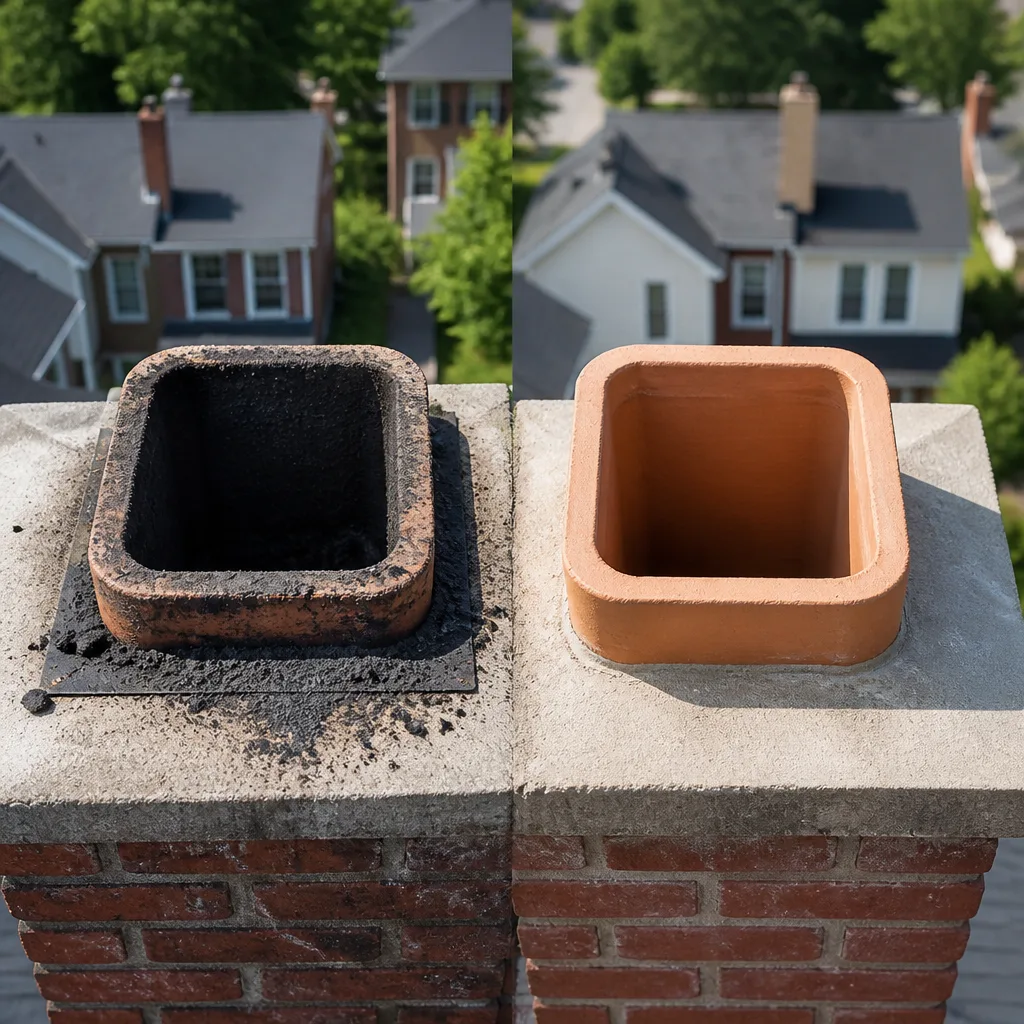
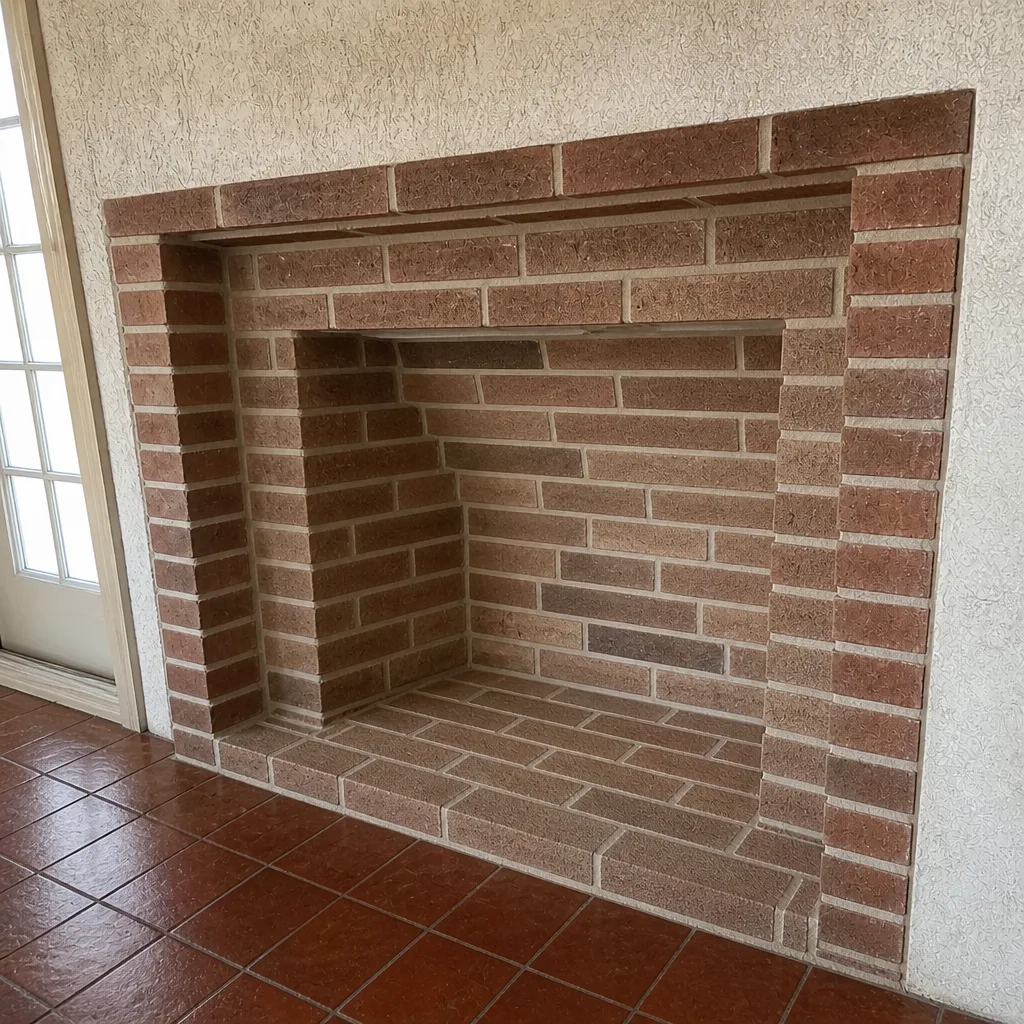
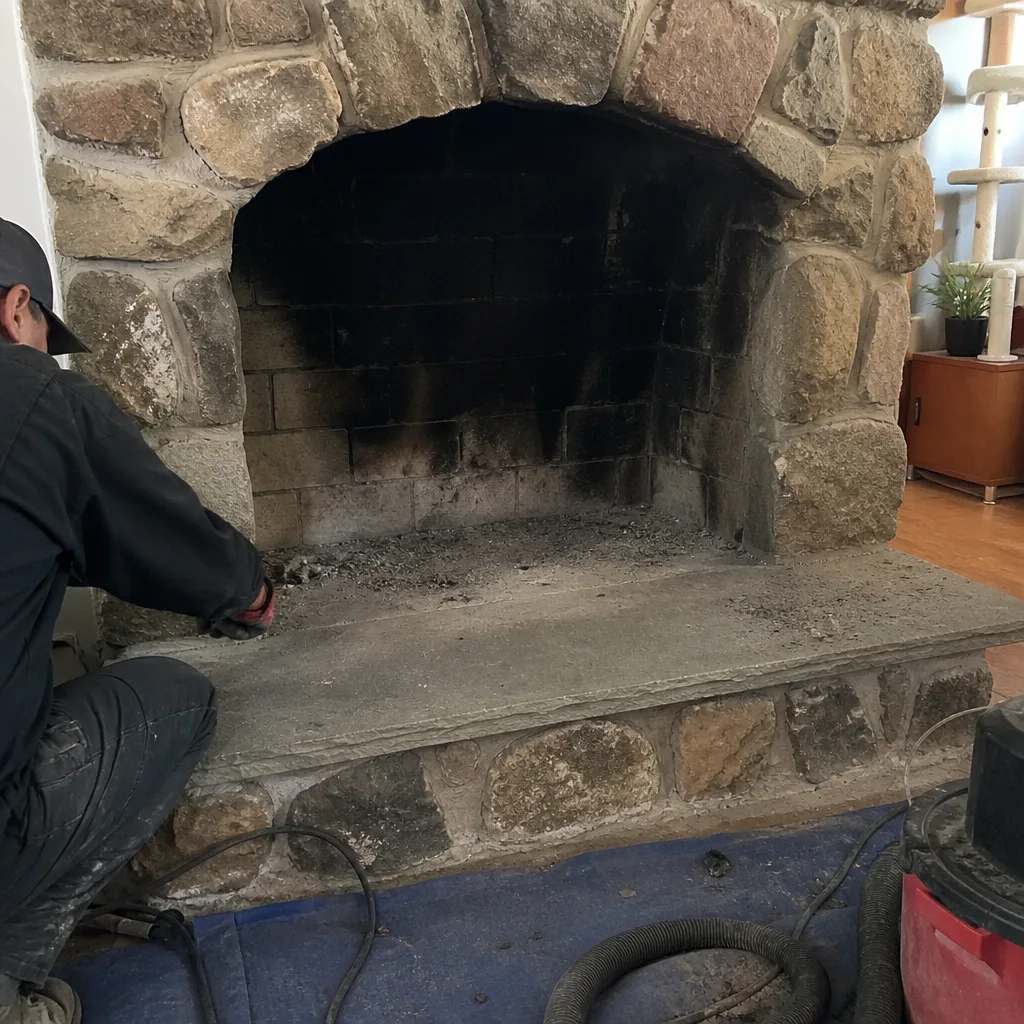
See the difference
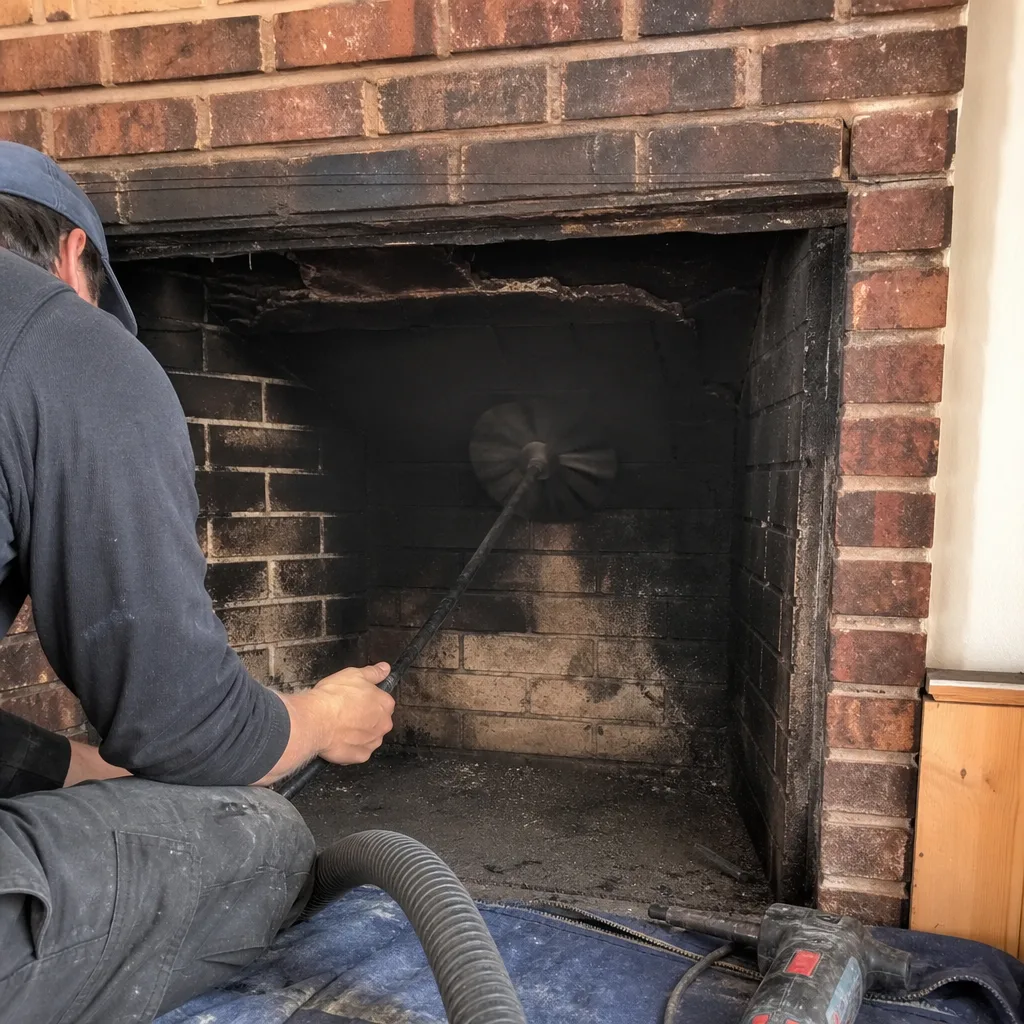 Before
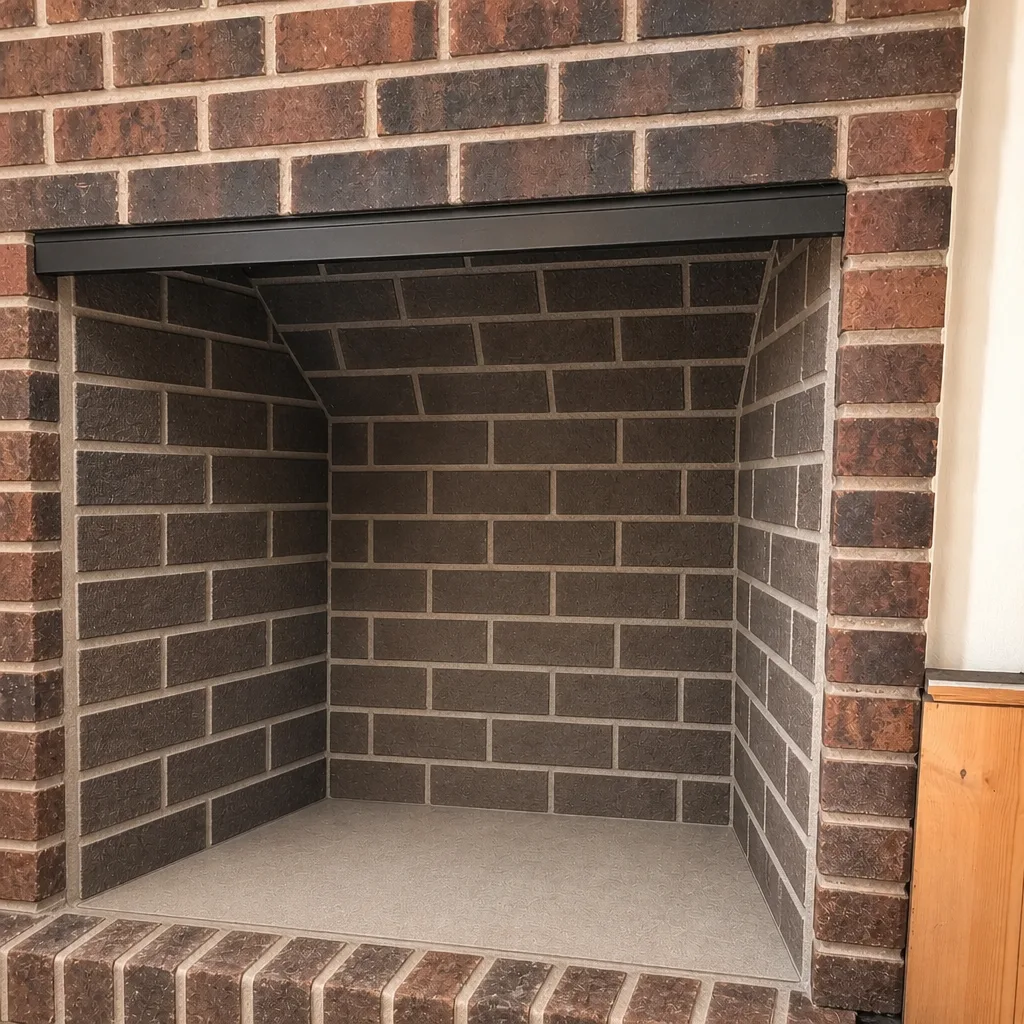 After
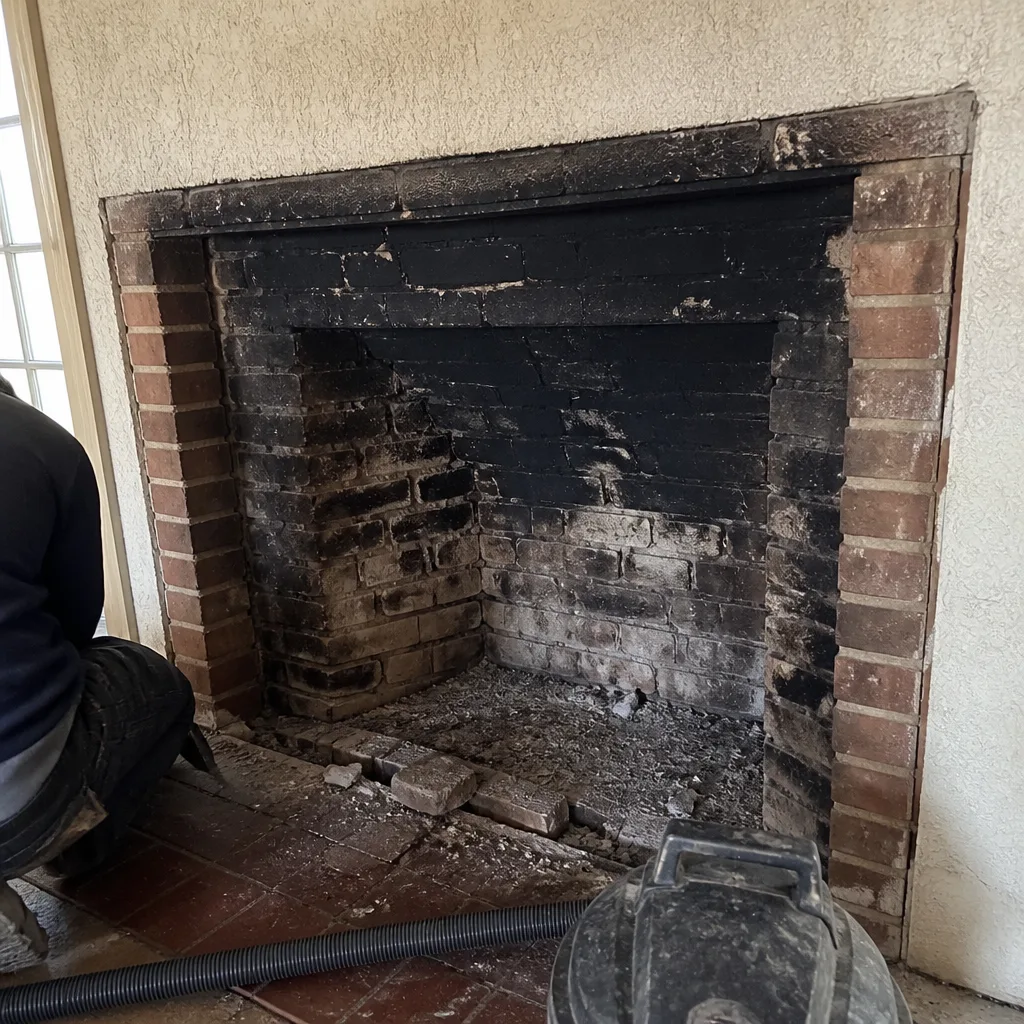 Before
 After
 Before
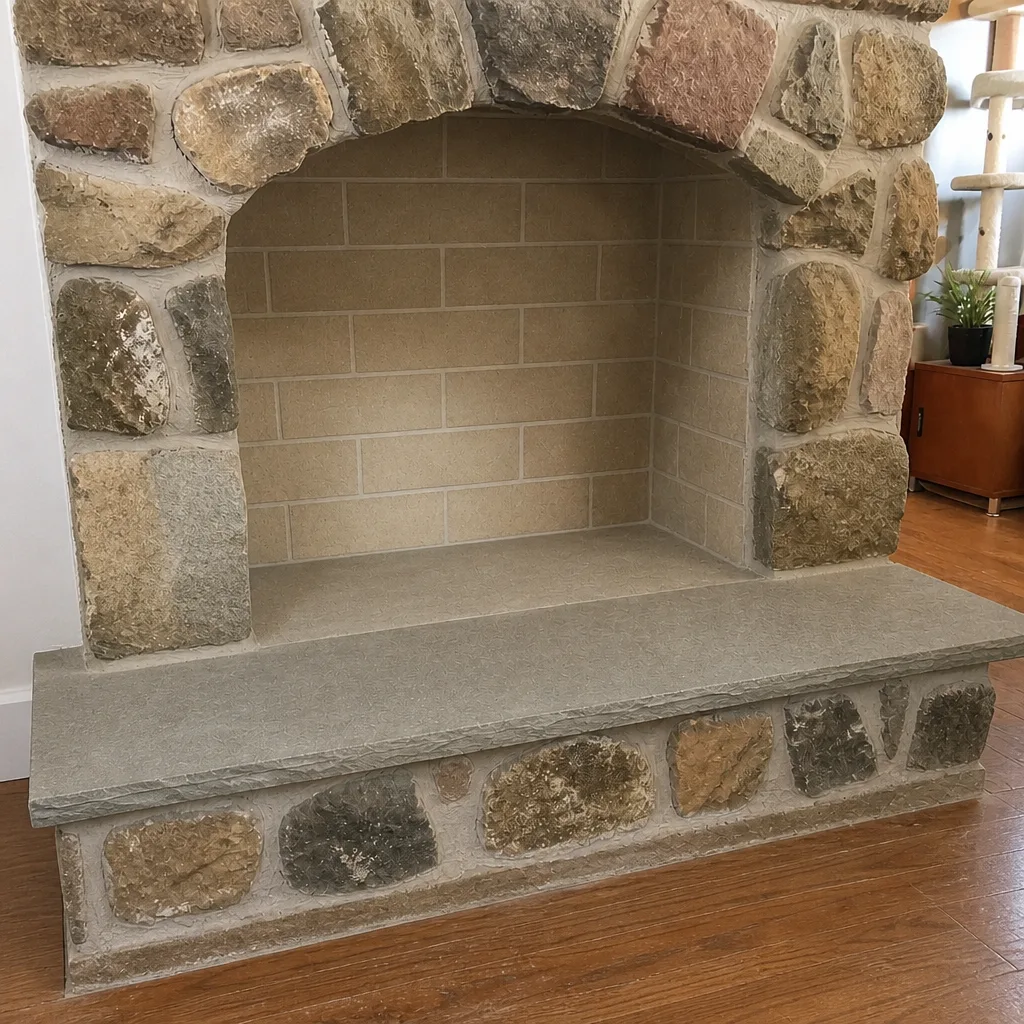 After
When to Call a Professional
Call in these scenarios: you haven’t had the flue inspected in the last twelve months; you’re seeing staining on the exterior masonry or white efflorescence around the chimney base; you notice a strong smoky or tar-like odor even when the fireplace is off; the draft is weak, or smoke rolls back into the room when you light a fire; you see visible damage to the cap or crown from the ground; or you’re moving into a home with an unknown chimney history and want a baseline report. Any of those is a reason to get an inspection on the calendar. And if you already have a firebox with broken firebrick or a flue you know is compromised, stop burning and call.
Chimney Sweep Lehi offers free estimates in Lehi. Call (855) 337-1677. We answer 24/7. Fast dispatch from 7am to 7pm, Sunday through Friday. Every job starts with a structured inspection, the price is set per job by a written estimate, and nothing is recommended that we can’t show you on camera.
Frequently Asked Questions
A standard chimney sweep in Lehi in 2026 typically costs $180 to $320 with a Level 1 visual inspection included. Add a Level 2 camera inspection and the range moves to $320 to $480. The written estimate sets the final price per job, and it’s free. Call (855) 337-1677 for an exact quote.
Only if the camera inspection shows the existing liner is genuinely compromised: cracked or missing tiles, gaps at the joints, or a flue surface that HeatShield resurfacing can’t restore. If the tile is structurally sound and the cracks are limited to joints, HeatShield resurfacing is often the better and less expensive choice. Any liner recommendation should come with camera footage you can review yourself. If you don’t get that, get a second opinion. Call (855) 337-1677 to schedule an inspection.
Once a year for a wood-burning fireplace, ideally before the burning season starts. A gas fireplace still needs an annual inspection even though creosote buildup is minimal, because the flue liner and venting system still need to be checked. Homes that burn frequently through the winter, or burn green or unseasoned wood, may need more frequent cleaning. The written report from each visit tells you when the next one is due. Call (855) 337-1677 to get on the schedule.
Small problems stay hidden and get worse. A hairline crown crack becomes water intrusion, then spalling masonry, then a crown rebuild. A light creosote layer becomes glazed creosote that costs significantly more to remove. A cracked flue tile becomes a liner replacement. None of these announces itself until the damage is done. The inspection is what finds them while the fix is still small. Call (855) 337-1677 for a free estimate.
The lower quote usually excludes the inspection, the written report, or the roof-level check of the cap and crown. The visible part of the job is the same; the diagnostic part is what’s missing. Compare quotes line by line and ask what’s included in each. A quote that doesn’t break out the components isn’t a comparable quote. Call (855) 337-1677 to talk through what a fair quote covers in Lehi.
Sometimes, and often only partially. Many home warranty contracts treat routine cleaning as maintenance rather than a covered repair, and coverage on chimney systems varies widely. Read the contract and ask the warranty provider what they’ll cover before scheduling. We can work with your insurer or warranty provider on the documentation, but the estimate we write is separate from what they’ll reimburse. Call (855) 337-1677 with any questions before you book.
The Bottom Line
Sweep pricing in Lehi splits cleanly along scope, not skill. The $99 special cleans the flue. A proper sweep with inspection and a camera run includes the diagnosis that tells you whether your chimney is safe to burn in this winter, and the written report that gives you a baseline for next year. The material choice inside a liner or cap is the other big price variable, and professional-grade products from brands like DuraFlex and HeatShield are what make the work last. Any quote that won’t itemize scope, justify a liner on camera, or let you think about it overnight is a quote to set aside. Our technicians have up to 10 years of experience, every job starts with a structured inspection, and we diagnose before we quote. The full system, from sweep to liner to cap and crown, is handled by one company.
Call Chimney Sweep Lehi at (855) 337-1677 for a free estimate. We answer 24/7. Fast dispatch from 7am to 7pm, Sunday through Friday. No surprise add-ons after we’re on your roof.
Written by the team at Chimney Sweep Lehi.