
Last updated November 24, 2026
 Sweep & inspection
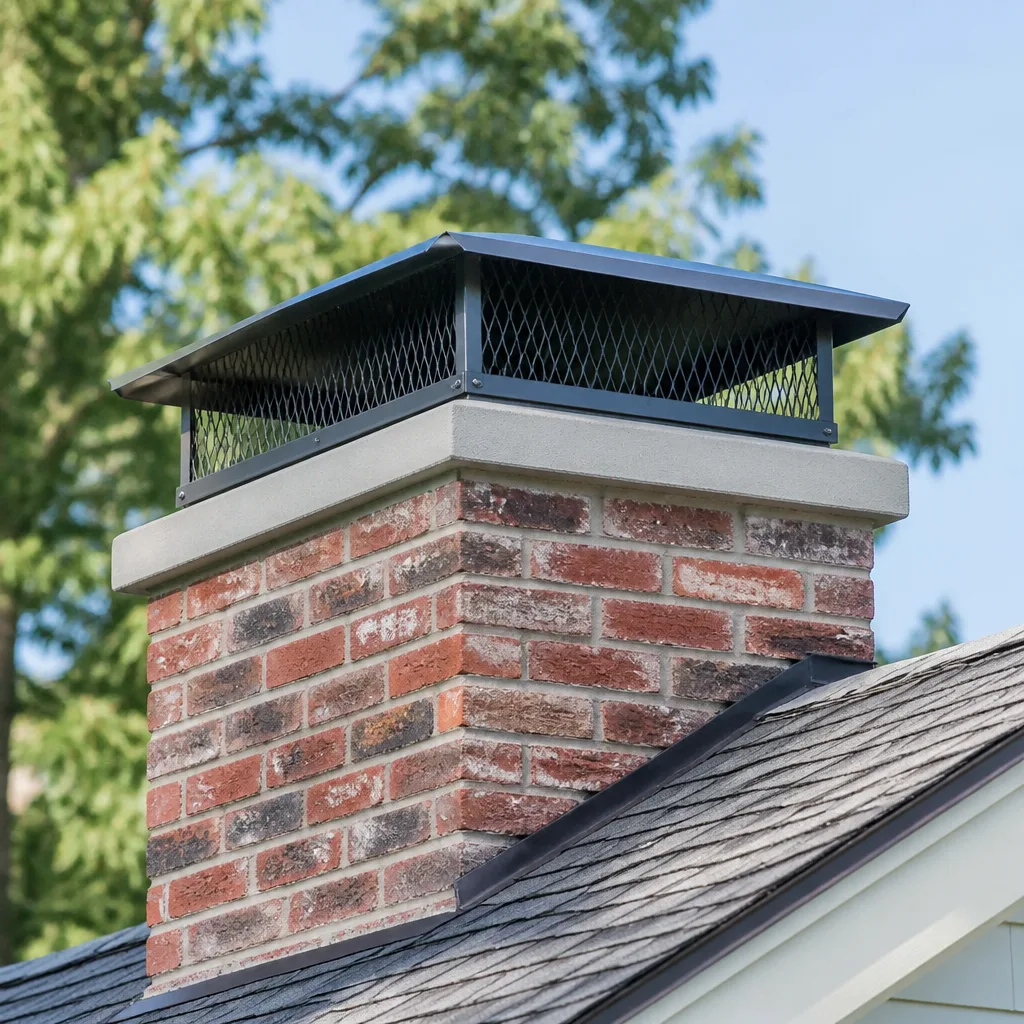 Caps & crowns
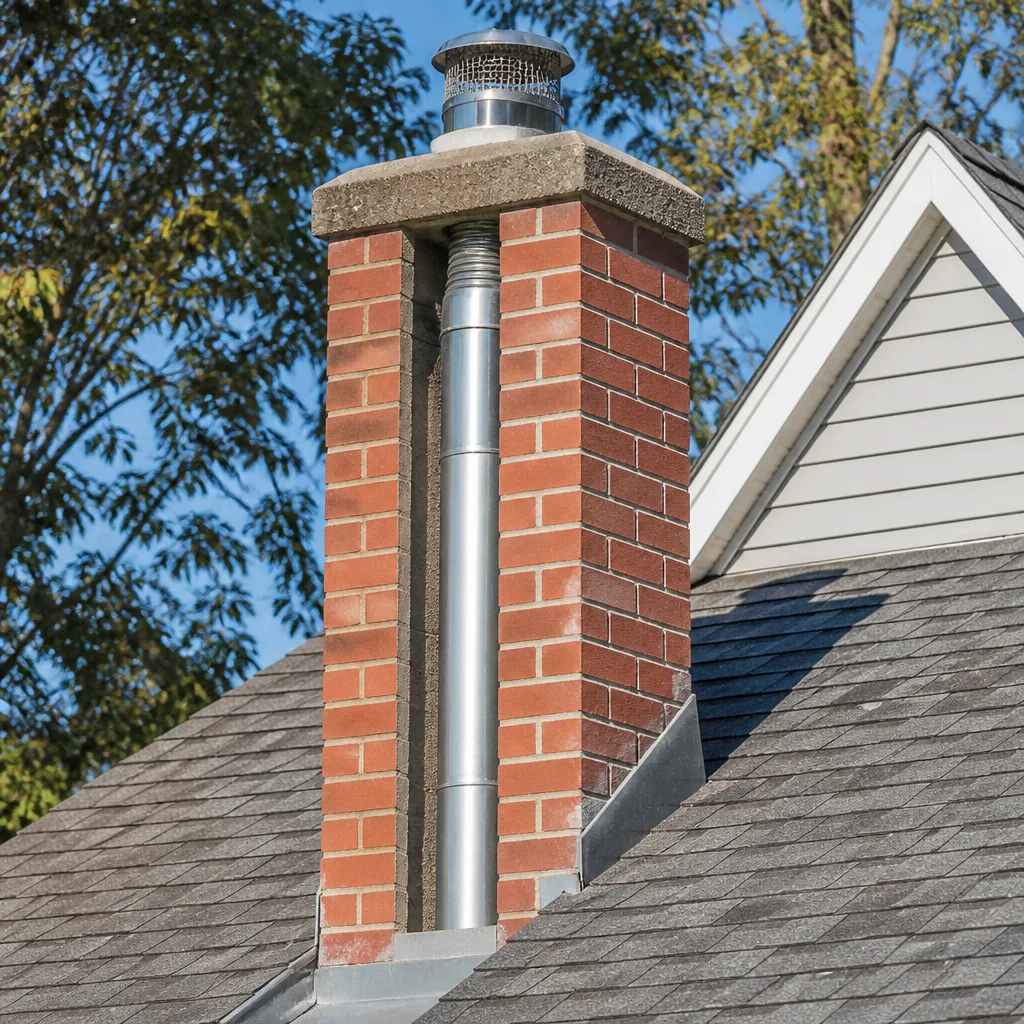 Flue relining
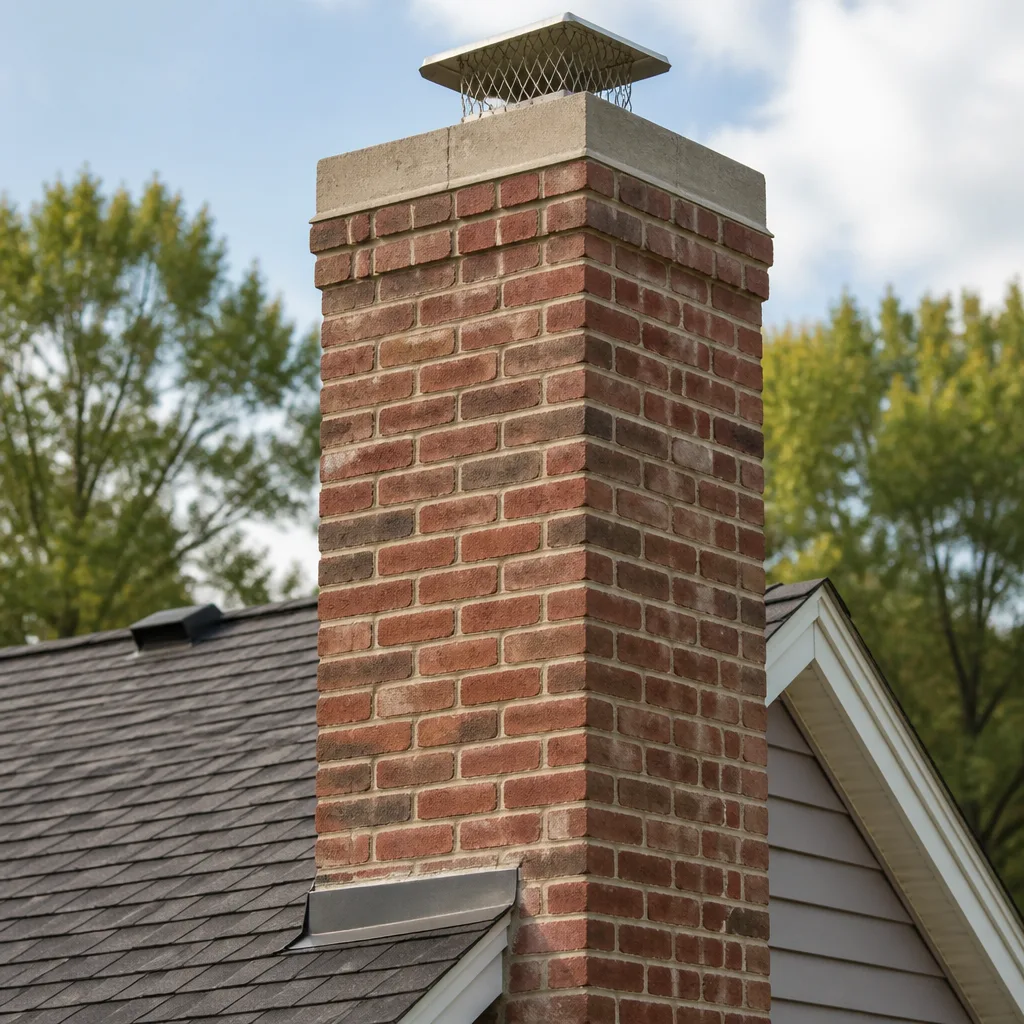 Masonry repair
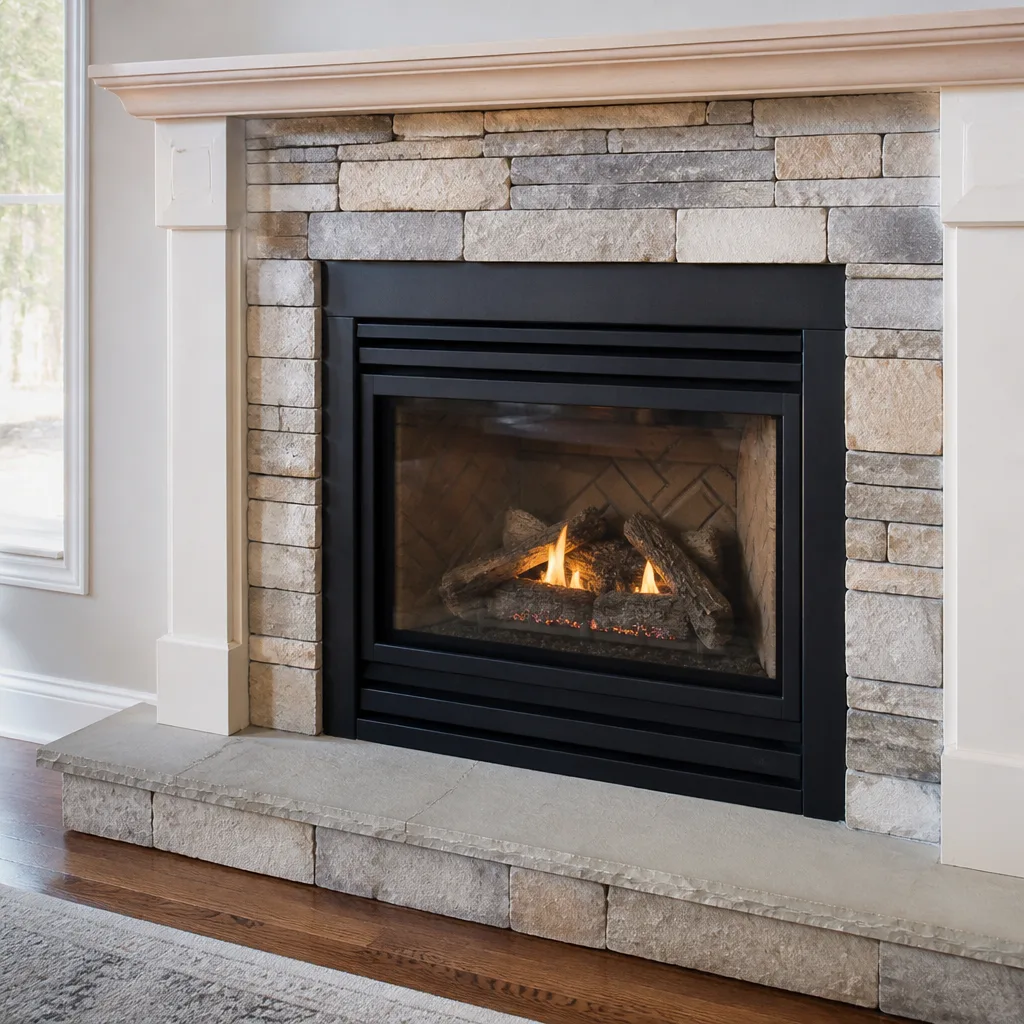 Gas fireplace service
Level 1 sweep and inspection to the NFPA 211 annual standard - flue, crown, cap, and flashing checked and photographed
Chimney sweep logs do not sweep chimneys. They loosen some creosote - which then falls where a brush and vacuum still have to collect it.
Chimney Cleaning Permits, Codes & Inspections in Lehi, UT: What You Need to Know
A chimney sweep doesn’t need a permit. A new stainless liner dropped into the same flue usually does, and in most Utah jurisdictions it’s the homeowner who carries the legal responsibility if that permit was never pulled. That gap trips up Lehi homeowners more often than you’d expect. A cleaning gets scheduled, a cracked flue tile turns up on camera, a liner goes in, and nobody ever files the paperwork. Years later it surfaces during a home sale, an insurance claim, or a fresh inspection, and the current owner is the one answering for it. This guide walks through where the permit line actually sits in Utah County, what the code and inspection standards require, and how to protect yourself before you book any work.
Quick Answer
Routine chimney cleaning and inspection don’t require a permit in Lehi or anywhere else in Utah County. Structural repairs, liner replacement, firebox rebuilds, and major cap-to-crown masonry work generally do, and a licensed professional should pull that permit before starting. Inspections follow the NFPA 211 standard, which is what insurance carriers reference when they evaluate a chimney-related claim. When you’re buying or selling a home in Lehi, expect a Level 2 inspection to be part of the transaction.
Styles & brands we work with
- Sweep & inspection
- Caps & crowns
- Flue relining
- Masonry repair
- Gas fireplace service
Table of Contents
- Where the Permit Line Actually Sits in Lehi
- How Utah Adopts the Building Code and What It Means for Your Chimney
- NFPA 211: The Inspection Standard Your Insurer Reads
- Level 2 Inspections and the Lehi Real Estate Transaction
- What “Code Compliant” Means for Older Lehi Homes
- The Paper Trail: A Step-by-Step Process for a Permit-Required Job
- Why Unpermitted Liner Work Is a Bad Deal Even When It Looks Cheap
- How to Verify a Contractor and the Permit Before Work Starts
Where the Permit Line Actually Sits in Lehi
The simplest way to think about it: maintenance is one category, construction is another. Cleaning soot and creosote out of a flue is maintenance. So is a Level 1 or Level 2 inspection, and so is swapping a cap for a like-for-like replacement. None of those change the structure of the chimney or the way it vents, so none of them trigger a permit. That’s true in Lehi and it’s true across Utah County.
The moment you change the venting system itself, you’ve crossed the line. A new stainless liner is a new flue, and a new flue is construction work. Same with a firebox rebuild, a crown replacement that involves structural masonry, a chase cover rebuild, or anything that touches the chimney’s relationship to the roof structure. These jobs require a permit from the local building authority, and the work has to be inspected afterward.
Here’s the breakdown we walk homeowners through:
- No permit typically required: annual sweeping, Level 1 and Level 2 inspections, cap replacement, minor mortar repointing, damper adjustment, firebox cleaning.
- Permit typically required: liner installation or replacement, firebox rebuild, crown-to-chase structural work, chimney reconstruction, flue resizing, adding a new appliance connection.
- Gray area: HeatShield resurfacing. It restores the existing clay tile rather than installing a new liner, so whether a permit applies depends on how the local authority reads the scope. Ask before work starts, in writing.
One thing that surprises people: an unpermitted job isn’t automatically unsafe. It’s unverified. There’s no record that a third party looked at the installation and confirmed it meets code. That record is what matters down the line. If you’re at the point of booking a sweep and aren’t sure whether repairs are waiting, start with a Chimney Sweep Lehi inspection first. We’ll tell you what needs a permit and what doesn’t before any work is scheduled.
How Utah Adopts the Building Code and What It Means for Your Chimney
Utah adopts the International Residential Code (IRC) with state amendments, and the chimney provisions live in Chapter 10, sections R1001 through R1006. The exact edition Utah has adopted at any given moment depends on when the state last updated its code cycle. Rather than guess which edition applies to your address, the practical move is to call Lehi City’s building department or the Utah County office and ask which code version is currently in force. They answer that question every week.
So what’s in R1001 through R1006? Here’s the short version, translated out of code-speak:
- R1001: General chimney and vent requirements, including masonry chimney construction and the two-inch clearance to combustibles.
- R1002: Factory-built fireplace and chimney installation requirements.
- R1003: Masonry fireplaces, including firebox dimensions, hearth extension, and smoke chamber requirements.
- R1004: Factory-built fireplace provisions.
- R1005: Chimney and vent connectors, including the critical 18-inch rule (how far a connector must rise before it turns) and connection to the flue.
- R1006: Clearance from combustibles, which is where most older Lehi homes run into trouble.
These aren’t arbitrary rules. Each one exists because a failure mode caused fires or carbon monoxide incidents that the code was written to prevent. The clearance requirements in R1006 exist because heat transfers through masonry, and a joist or framing member that touches the chimney has no way to dissipate that heat. Over years of use, it chars. Once it chars, that’s a fire waiting for the right conditions.
If you’re in an older Lehi house and you’re not sure whether your chimney meets the current code, that’s a legitimate question to bring to a licensed professional. Our chimney repair work starts with an inspection for exactly this reason: we want to know what the code says and what your chimney actually looks like before we quote anything. We also work in chimney sweep appointments across Lehi to establish baseline condition, which is the only honest starting point.
NFPA 211: The Inspection Standard Your Insurer Reads
NFPA 211 is the Standard for Chimneys, Fireplaces, Vents, and Solid Fuel-Burning Appliances, and it’s the document an insurance adjuster is looking at when a chimney-related claim comes in. It defines the three inspection levels you’ll hear professionals reference.
- Level 1: A visual inspection of the readily accessible portions of the chimney and venting system, without tools. This is the standard annual inspection and what most sweeps perform during a routine cleaning.
- Level 2: Everything in a Level 1, plus inspection of accessible attic, crawlspace, and other concealed areas, plus a video scan of the flue interior. Required whenever the appliance or venting system changes, when a property changes hands, or after an incident like a chimney fire or earthquake.
- Level 3: Diagnostic inspection that requires opening concealed areas of the building. Reserved for situations where a serious hazard is suspected and access requires destructive inspection.
Here’s the part that matters for a claim. If a fire happens and your insurer’s investigator asks for documentation, a Level 1 report from last year may not be enough if the chimney’s condition is in question. What an insurer wants to see is evidence that the chimney was inspected by someone qualified, at the appropriate level, with photos and a written report. That’s why NFPA 211 matters: it establishes the standard that “qualified” and “adequate” are measured against.
In our experience, homeowners who’ve kept written inspection reports have a much smoother claim process than the ones who don’t. The report doesn’t cut the insurance company any slack – it just means there’s a record to work from. That’s why our inspections come with a documented condition assessment and photos you can keep, whether or not today’s visit turns into a repair.
If you’re dealing with a draft problem, an odor issue, or staining on the masonry, a proper inspection will tell you if it’s structural or cosmetic. That’s the kind of work our fireplace repair technicians handle in Lehi, and it’s the kind of diagnostic we prefer to run before recommending anything.
Level 2 Inspections and the Lehi Real Estate Transaction
NFPA 211 treats a property sale as a Level 2 trigger. That’s not a suggestion; it’s treating a sale the same way as a change in appliance or venting, because a new owner is inheriting an unknown system. In practice, this means a Level 2 inspection is expected during the transaction unless the buyer and seller agree otherwise.
What that means on the calendar for a Lehi closing:
- Contract is signed. The clock is now running on the buyer’s inspection contingency window.
- Home inspector flags the chimney or the buyer schedules a Level 2 directly. Confirm the scope – Level 2 includes a video scan of the flue, which requires access to the cleanout and the top of the chimney.
- The inspection is performed, with photos of the flue interior and a written report.
- The report goes back to the buyer’s agent, and any repair items get negotiated.
- If a repair is agreed, the work is finished before closing (or handled as a credit), and a permit may need to be pulled and closed.
The risk in that timeline is not the inspection itself, which typically takes a couple of hours. The risk is discovering that a liner needs replacement, and then finding out the permit and installation will run past your closing date. Sellers who can document a recent Level 2 inspection walk into a transaction with fewer surprises. Buyers who book the inspection early in the contingency window keep more options open.
Our advice for any Lehi homeowner buying or selling: get the Level 2 done in the first week of the contingency period, not the last. If you’re already in escrow and need it scheduled promptly, call and we’ll get it booked. We answer 24/7. Fast dispatch from 7am to 7pm, Sunday through Friday.
What “Code Compliant” Means for Older Lehi Homes
Older homes in Lehi, including many in the neighborhoods near the historic downtown core along Main Street and the smaller infill parcels around it, were built under different code requirements than the ones that apply now. That doesn’t mean they’re non-compliant; it means the code they were built to isn’t the code that applies today. The distinction matters most at three points:
- Clearance to combustibles: Older chimneys were sometimes installed with less clearance than the current two-inch requirement. If the clearance can’t be verified, that’s a real concern for an insurer inspecting the system.
- Liner condition: Original clay tile liners in older Lehi homes are often cracked, spalled, or missing mortar joints at the tile seams. A crack in a clay tile at one seam allows hot gases into the chimney chase, which is exactly what the liner is supposed to prevent.
- Hearth extension: Fireplaces often need a larger hearth extension than what was originally installed, particularly if the fireplace opening is larger or the surround was modified.
Here’s what “code compliant” typically means in practice for a home like this. Not that the original construction met today’s code. Rather, that the system as it stands today works safely and, if it’s been modified, was modified to current standards. The two most common ways to bring an older clay tile liner to a code-compliant condition are a stainless liner (a DuraFlex or Olympia Chimney system, both of which are industry-specified products, not hardware-store hardware) or HeatShield resurfacing, which restores the existing tile from the inside and is often the lower-cost path when the tile is degraded but not collapsed.
We’ll say plainly here what we say to every homeowner in this situation: it’s not up to us to tell you a 1970s chimney has to be rebuilt or relined. What we can do is show you on camera what the flue actually looks like. Sometimes the answer is “it’s fine, sweep it and come back next year.” Sometimes the answer is “the rear tile is cracked and we’d recommend HeatShield or a liner.” The evidence is the deciding factor, not a sales target.
If a repair does go in, it triggers a permit in most Utah jurisdictions for liner work, and that permit is what gives you a documented record of compliance if you ever sell, claim, or get asked to prove it. Some items can safely wait; a compromised liner generally shouldn’t. If you’re not sure where yours falls, the inspection will tell you.
The Paper Trail: A Step-by-Step Process for a Permit-Required Job
If a repair comes out of your inspection, here’s how a permit-required job usually runs for a Lehi homeowner. Knowing the sequence up front makes it much easier to spot when something is being skipped.
- Inspection with documentation. A credible professional inspects the system, provides photos and a written report, and identifies what needs to change. This is the basis for everything that follows, including the permit scope.
- Estimate and scope review. The written estimate should reference the specific permit-required scope: liner installation, firebox rebuild, structural work. Anything vague here (e.g., “chimney work”) is a red flag.
- Permit application. The contractor pulls the permit from the local building authority before starting work. In Lehi, that’s typically the Lehi City Building Department; in unincorporated areas of Utah County, the county jurisdiction applies. The homeowner can also pull the permit as an owner-builder, but then the homeowner is also the one responsible for compliance.
- Work performed and inspected. The installation happens, then the local inspector comes out to verify the work meets code. This is the step that creates the paper trail.
- Final inspection and permit close-out. The permit gets signed off. Keep the documentation – the report, the permit number, the inspection record, and the manufacturer’s installation instructions for the liner or materials used.
The homeowner’s responsibility point: if you hire a contractor who performs liner work without pulling the permit, the work may technically function, but the compliance record doesn’t exist. When the next owner or insurer asks for it, you’re the one who owns that problem. Our advice to every Lehi homeowner is to ask for the permit number before work begins. If a contractor can’t produce one, that’s your signal to slow down.
Why Unpermitted Liner Work Is a Bad Deal Even When It Looks Cheap
We’ve seen enough chimney work in Lehi to understand the appeal of a lower bid. What usually gets left out of an unpermitted low bid is not just the permit fee, but the process that supports the work being correct. A permit is partly a fee, but it’s mostly a check: the local authority reviews the scope, an inspector confirms the installation, and there’s a record. That check is what an insurer and the next buyer are going to look for.
The materials matter here too. A DuraFlex or Olympia Chimney stainless liner system is a known, tested product; a generic hardware-store flex pipe is not the same thing. The installation instructions that come with a professional-grade liner specify the required clearance to combustibles, the correct termination and cap, the way the connector joins the flue, and the specific requirements that a factory-built product needs in order to be code-compliant. An installer who hasn’t read those instructions and hasn’t been through a permit review is more likely to miss a step – not because they’re reckless, but because the process catches these things and the absence of a process doesn’t.
What we can’t do is tell you every unpermitted job will fail. Some won’t. What we can tell you is that the homeowner absorbs the risk when it’s the homeowner who’s legally responsible. If you go with an unpermitted job, understand that the risk doesn’t disappear when the contractor drives away. It sits on your property.
How to Verify a Contractor and the Permit Before Work Starts
You don’t need to become an expert in building code to protect yourself here. You need three or four documents, and a contractor who isn’t annoyed when you ask for them.
- Current state license. Check the Utah Division of Professional Licensing database directly. A license number provided on an estimate should match.
- Liability insurance and workers’ comp. Ask for the certificate of insurance, and call the insurer to verify the policy is current. A homeowner who hires an uninsured contractor can end up absorbing a worker injury claim on their own property.
- The permit number. Before the work starts, not after. You should be able to look it up through the local building authority and confirm the scope matches the work you’ve been quoted.
- The written report and estimate. Any legitimate inspector will provide a report. Any legitimate contractor will provide a written scope. If either is vague, that’s your signal to ask more questions.
- Material identification. Ask what specific liner or material is being installed. A brand name should appear on the proposal, and the manufacturer’s product information should be findable.
One more verification that often gets skipped: ask the contractor to confirm they’ll provide the manufacturer’s installation instructions and the final inspection record when the job closes. The combination of a permitted job, a documented inspection, and material records is what protects the homeowner during a sale or an insurance claim.
Our approach in Lehi is simply to bring all this into the open before booking. We diagnose before we quote. We inspect every visit and share the photos. The company works with professional-tier brands including DuraFlex, Olympia Chimney, Copperfield, and Famco, plus HeatShield resurfacing for clay tile restoration. Our technicians have up to 10 years of experience and handle everything from sweeping to full chimney repair – so the inspection and the repair are handled by the same team that diagnosed the problem. We’ve also seen enough Lehi homes to know when the right answer is “wait a year” and when it isn’t.
Common Mistakes to Avoid
- Skipping the permit on liner work. Buyers and insurers check. A missing permit doesn’t disappear after a sale – it just becomes the next owner’s problem, then comes back to you in a claim.
- Accepting a verbal estimate with no written report. If there’s no documented inspection, there’s no basis for the scope. A written report with photos is the minimum for any chimney work that goes beyond a sweep.
- Assuming a cleaning contractor is inspecting. A sweep cleans. An inspection documents condition. If you have an old flue, ask specifically for a Level 1 or Level 2 inspection, not just “a cleaning.”
- Replacing the liner without confirming why. Sometimes a degraded tile can be restored with HeatShield at lower cost than a full replacement. A second opinion on a “you need a full liner” quote is almost always worth the call.
- Waiting until closing to schedule the Level 2 in a Lehi transaction. Book it in the first week of the contingency window, not the last. Repairs discovered late rarely resolve without extending the timeline.
- Trusting a cap swap to solve water intrusion. A cap is a good preventive step, but if the crown is failing, a new cap won’t stop water from entering the masonry. Cap and crown need to be evaluated together.
- Assuming a home warranty covers structural chimney repair. Chimney structural work is often excluded, and understanding what’s covered before you need it saves a lot of frustration.
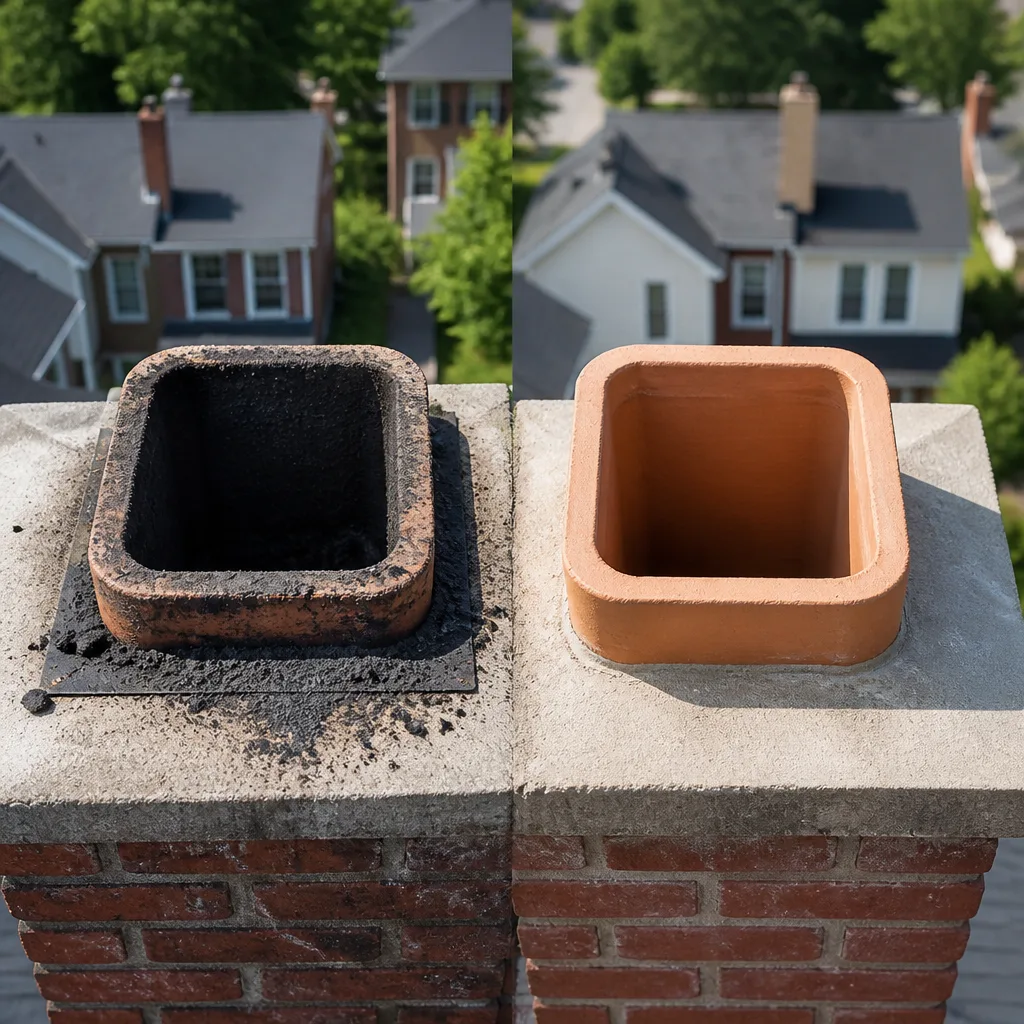
See the difference
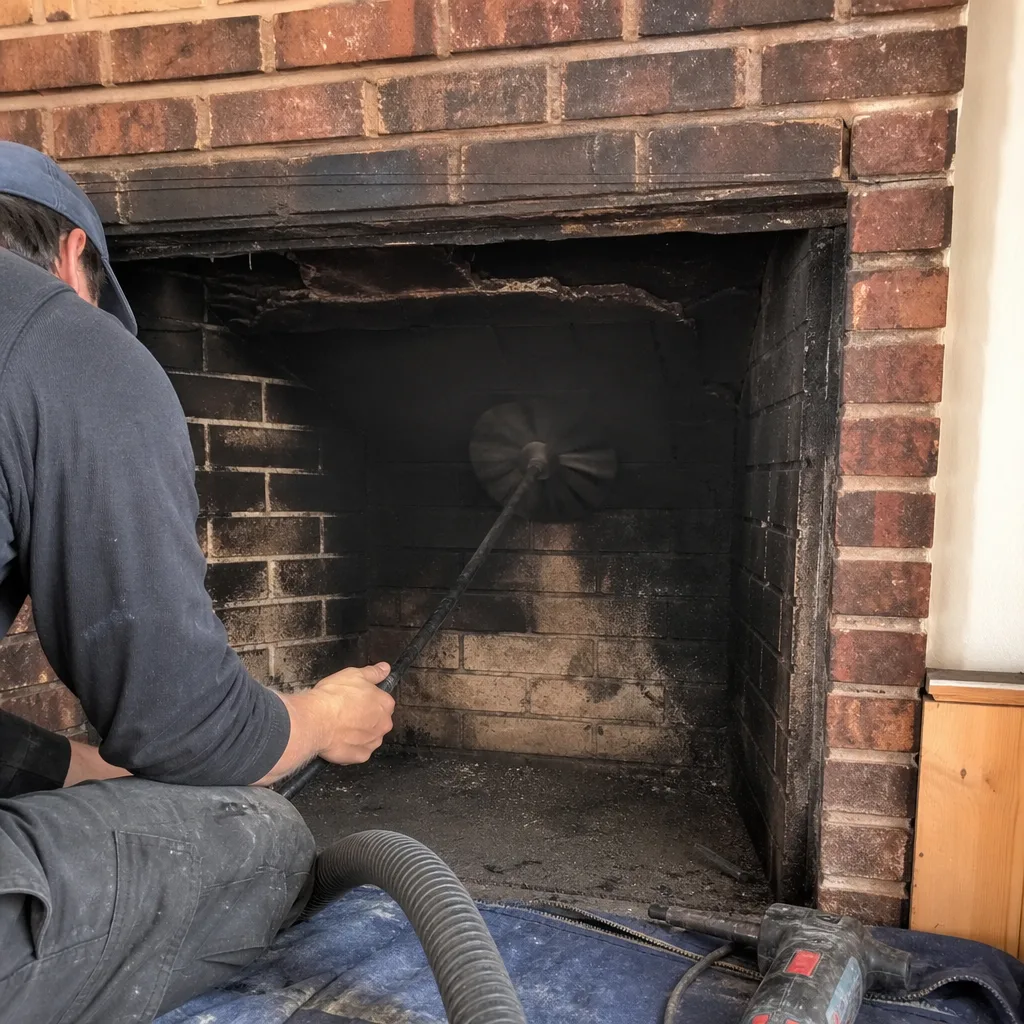 Before
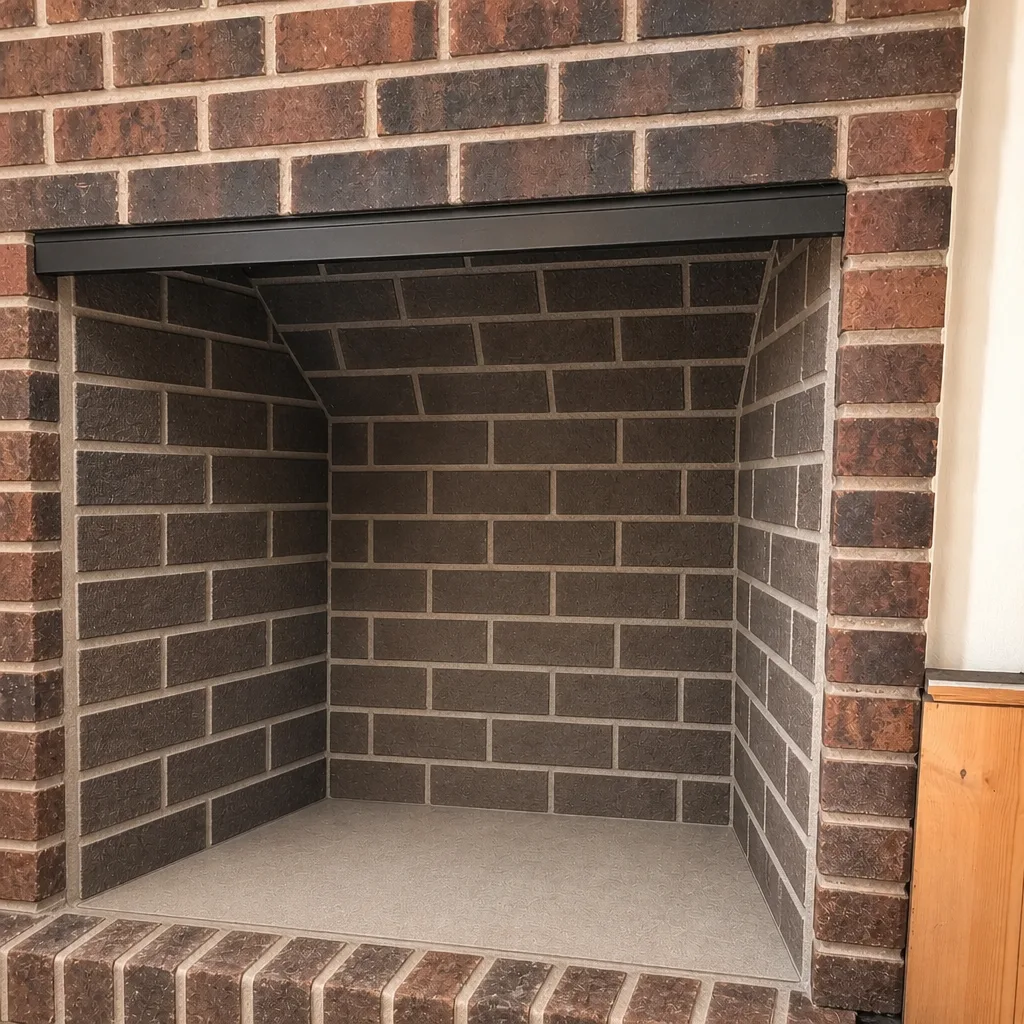 After
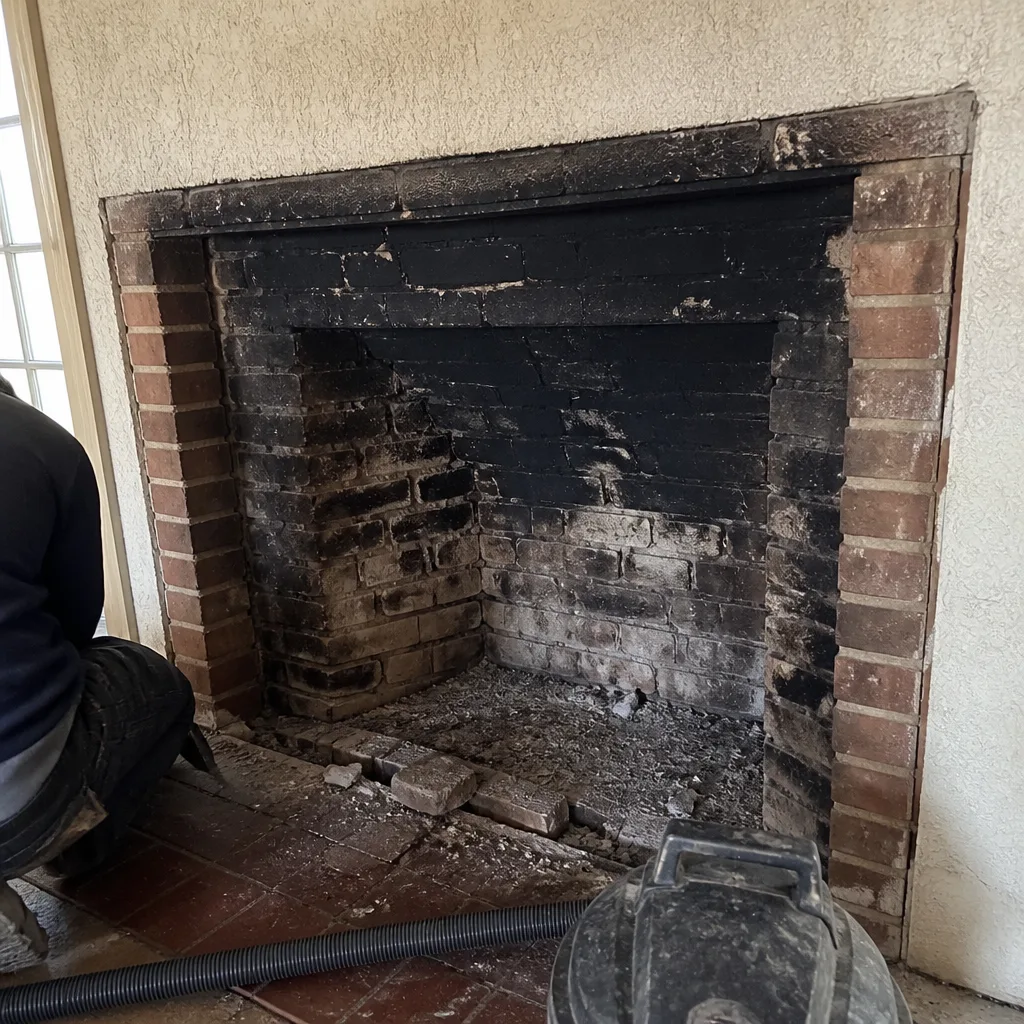 Before
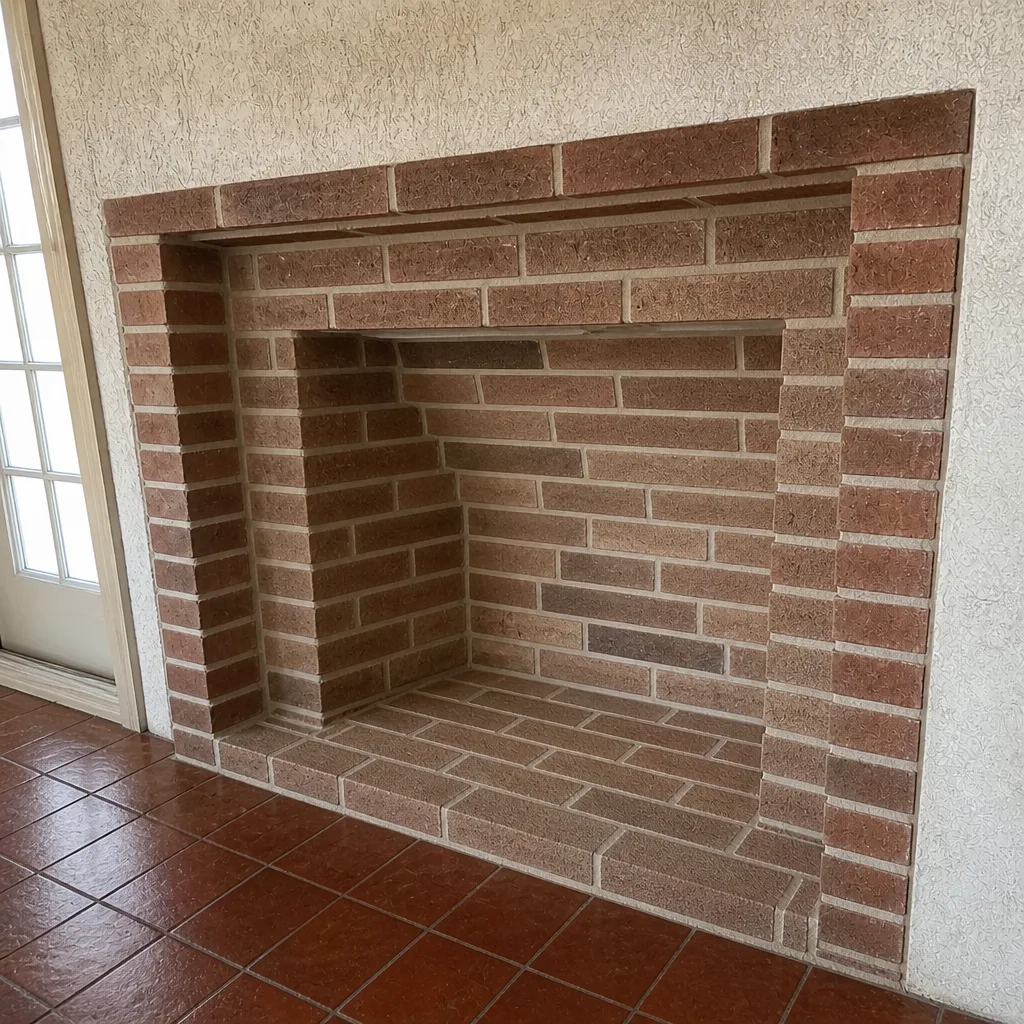 After
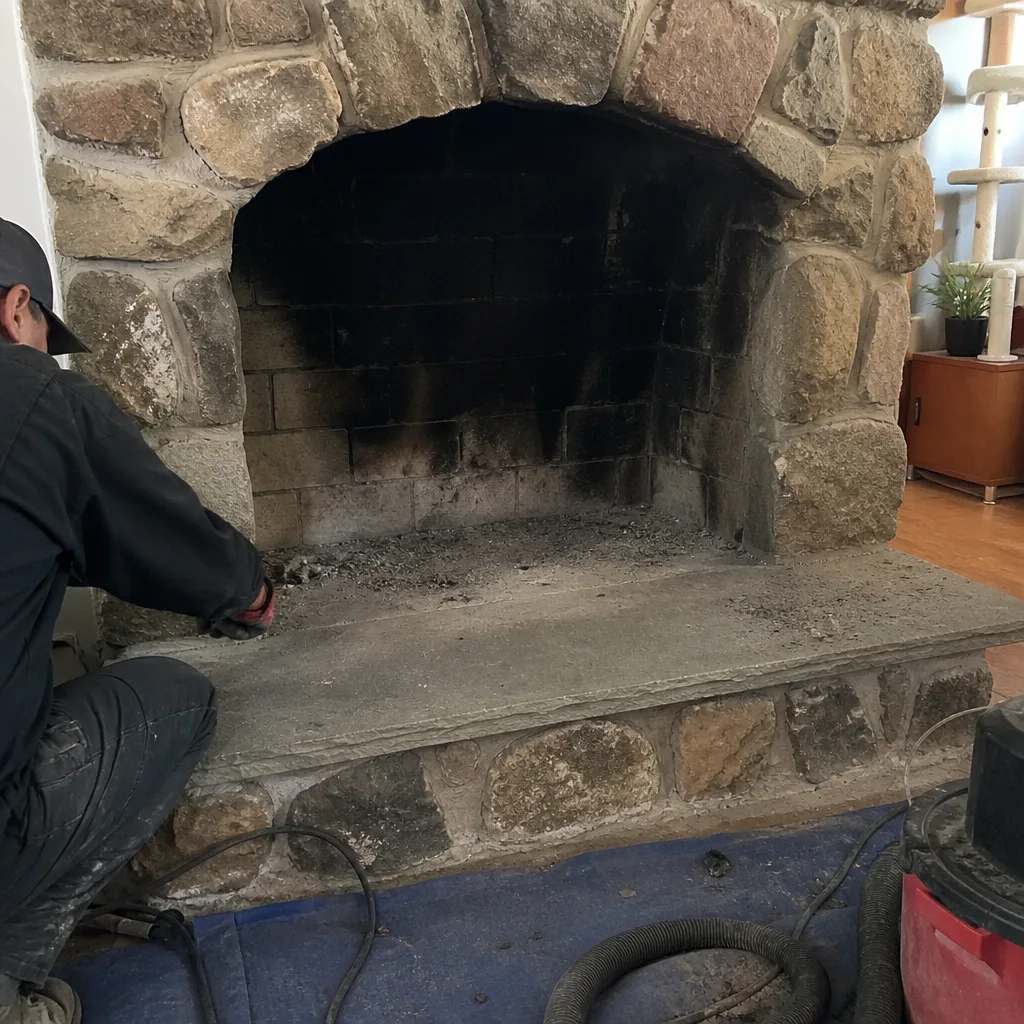 Before
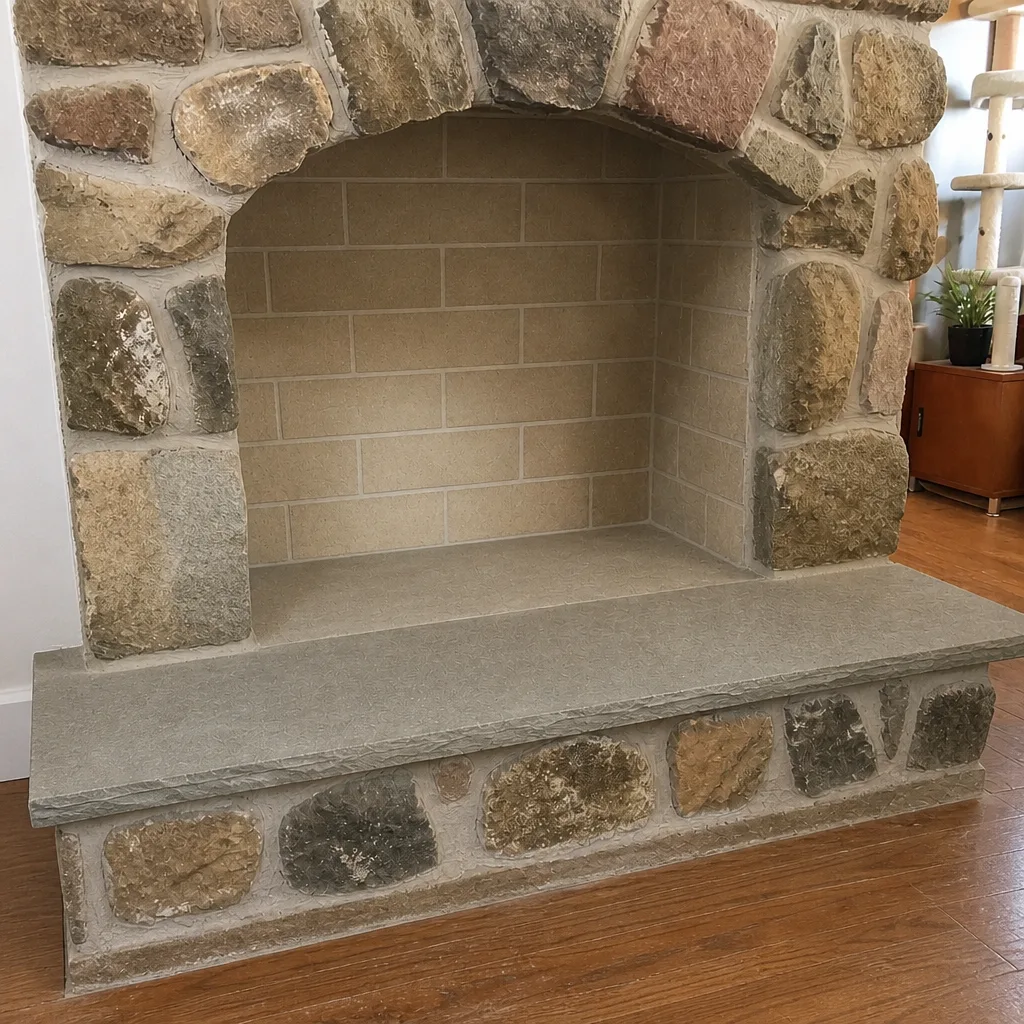 After
When to Call a Professional
If you’ve noticed staining on the masonry, an ongoing draft problem, an odor that shows up only when the fireplace isn’t in use, or visible damage to the firebox or chimney chase, those are signs the system needs to be looked at before the next burning season, not after. If you’re buying or selling a home in Lehi, a Level 2 inspection belongs in your contingency window. If it’s been more than a year since your last sweep and you’ve been burning wood regularly, a cleaning and inspection is overdue. And if a contractor has quoted a large repair without a written report and photos, get a second opinion before committing. Chimney Sweep Lehi offers free estimates in Lehi and the surrounding area. Call (855) 337-1677 to schedule an inspection. We answer 24/7. Fast dispatch from 7am to 7pm, Sunday through Friday.
Frequently Asked Questions
No. A routine chimney cleaning doesn’t require a permit in Lehi or in Utah County, and neither does a standard inspection or a like-for-like cap replacement. Permits are triggered by structural work, liner installation, firebox rebuilds, and other modifications to the venting system. Call (855) 337-1677 if you’re not sure which category your job falls into – estimates are free.
Yes, in most Utah jurisdictions, a new stainless liner installation requires a permit because it changes the venting system. The contractor should pull the permit before work begins, and the local inspector verifies the installation at close-out. Homeowners can also pull the permit themselves as owner-builders, but that shifts the compliance responsibility onto the homeowner. Call (855) 337-1677 to talk through your specific scope.
NFPA 211 is the national standard for chimney, fireplace, and venting inspection and maintenance, and Utah building code references it alongside the IRC provisions in Chapter 10. The building code governs installation; NFPA 211 governs inspection levels and condition. Insurance adjusters lean on NFPA 211 when reviewing a claim because it defines what a proper inspection should have covered. Call (855) 337-1677 to schedule a documented inspection with photos.
NFPA 211 treats any property transfer as a trigger for a Level 2 inspection, and most Lehi transactions follow that practice. A Level 2 includes a video scan of the flue interior plus inspection of accessible concealed areas. Book it early in the buyer’s contingency window so any repair can be resolved without extending closing. Call (855) 337-1677 to schedule yours – estimates are free.
For a wood-burning fireplace in regular use, an annual sweep and inspection is the standard. Gas appliances generally need less frequent sweeping, but the flue and venting still need to be inspected yearly, and a camera inspection confirms the venting is working as designed. Lehi’s cold winters mean chimneys work hard for months on end, so don’t skip a year. Call (855) 337-1677 to book a sweep and inspection.
The liner may function safely, but there’s no record that a third party verified the installation meets code. That record is what insurers and home buyers ask for, and the person who owns the problem is usually the current homeowner. If you’ve inherited an unpermitted liner from a previous owner, a Level 2 inspection can document what’s actually there. Call (855) 337-1677 for an assessment – estimates are free.
The Bottom Line
Chimney cleaning doesn’t need a permit. Liner replacement, firebox rebuilds, and structural chimney work almost always do. NFPA 211 sets the inspection standard your insurer will reference, and the three levels (1, 2, and 3) correspond to different situations, with a property sale triggering a Level 2 by standard practice. Utah building code follows the IRC sections in Chapter 10, and older Lehi homes often need work brought up to current clearance and liner requirements. The most important thing to keep is the paperwork: a documented inspection, a permit number, and the material records. And if a repair is recommended, ask for the camera evidence before you agree to anything. Our team at Chimney Sweep Lehi would rather show you a photo and a plain answer than push a repair you don’t need. Call (855) 337-1677 for a free estimate. We answer 24/7. Fast dispatch from 7am to 7pm, Sunday through Friday.
Written by the team at Chimney Sweep Lehi.