
Last updated November 24, 2026
 Sweep & inspection
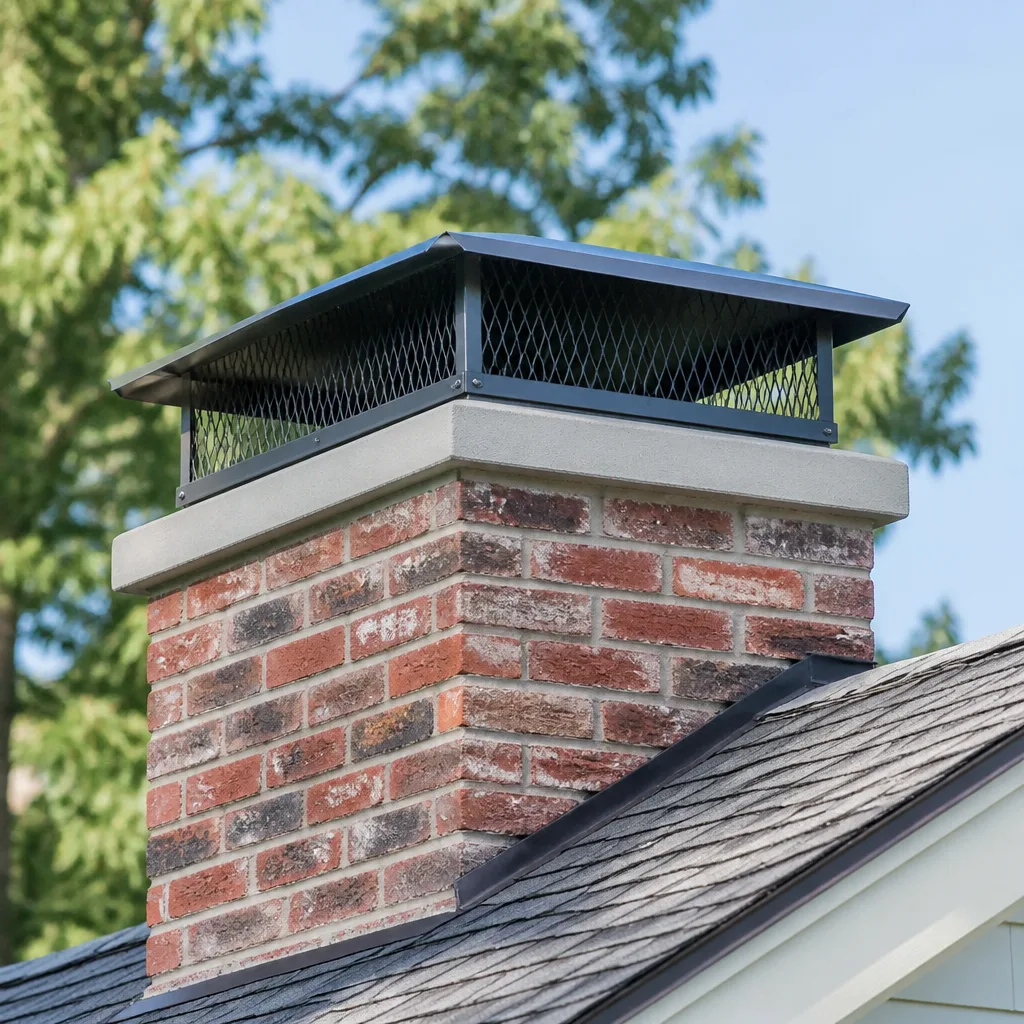 Caps & crowns
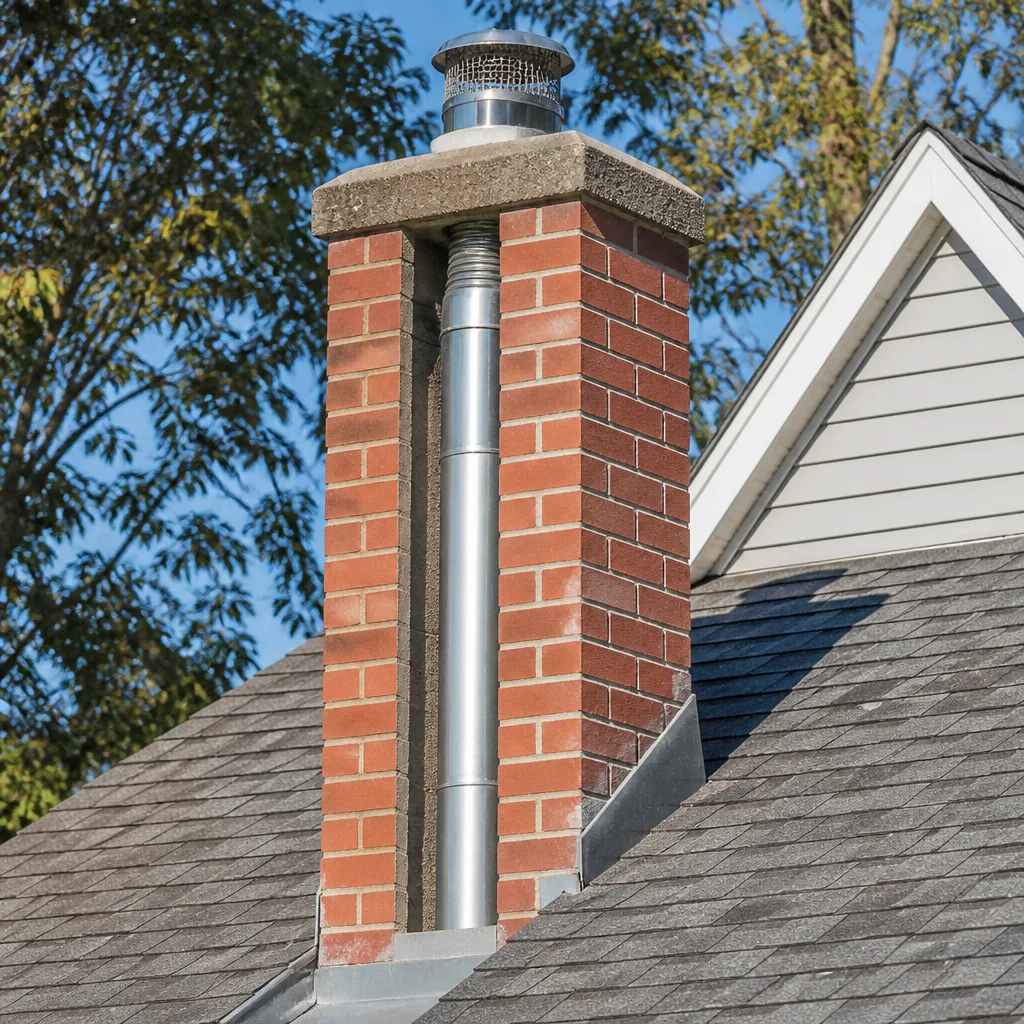 Flue relining
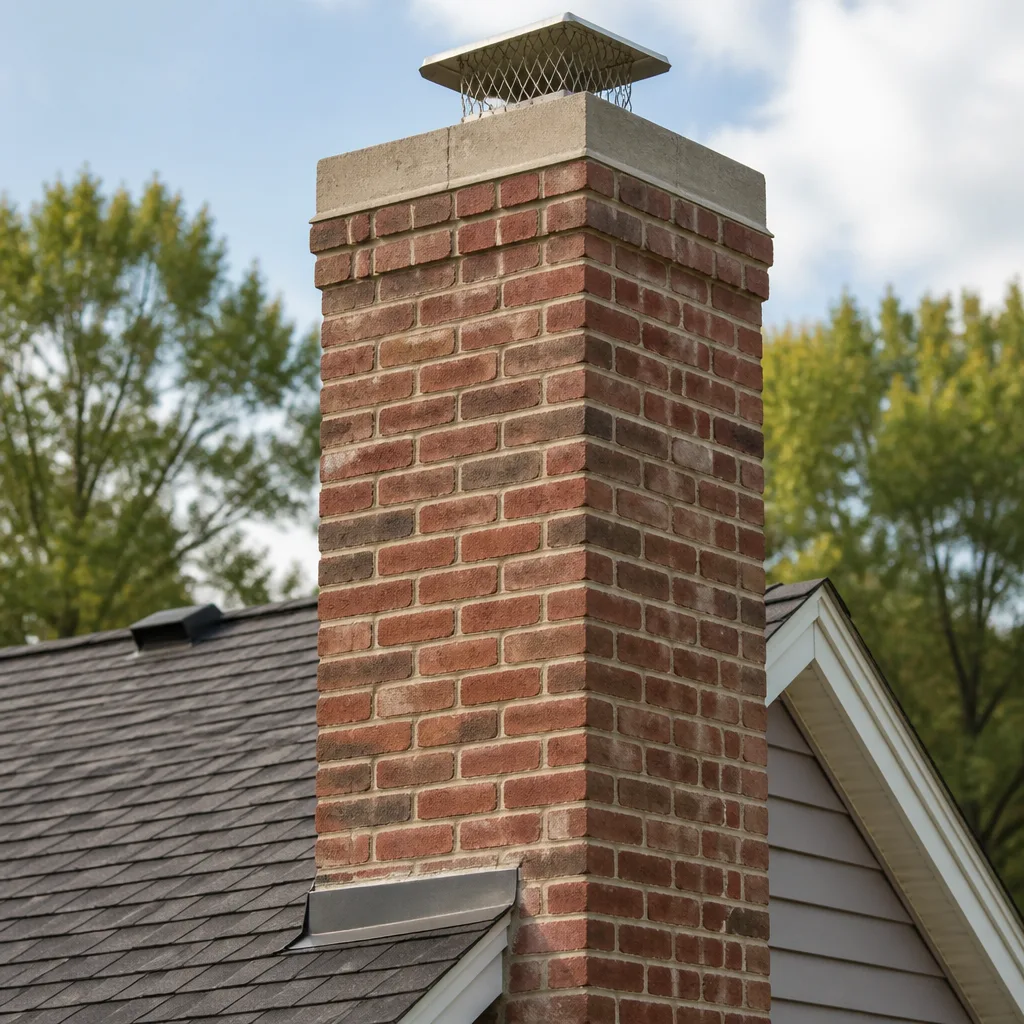 Masonry repair
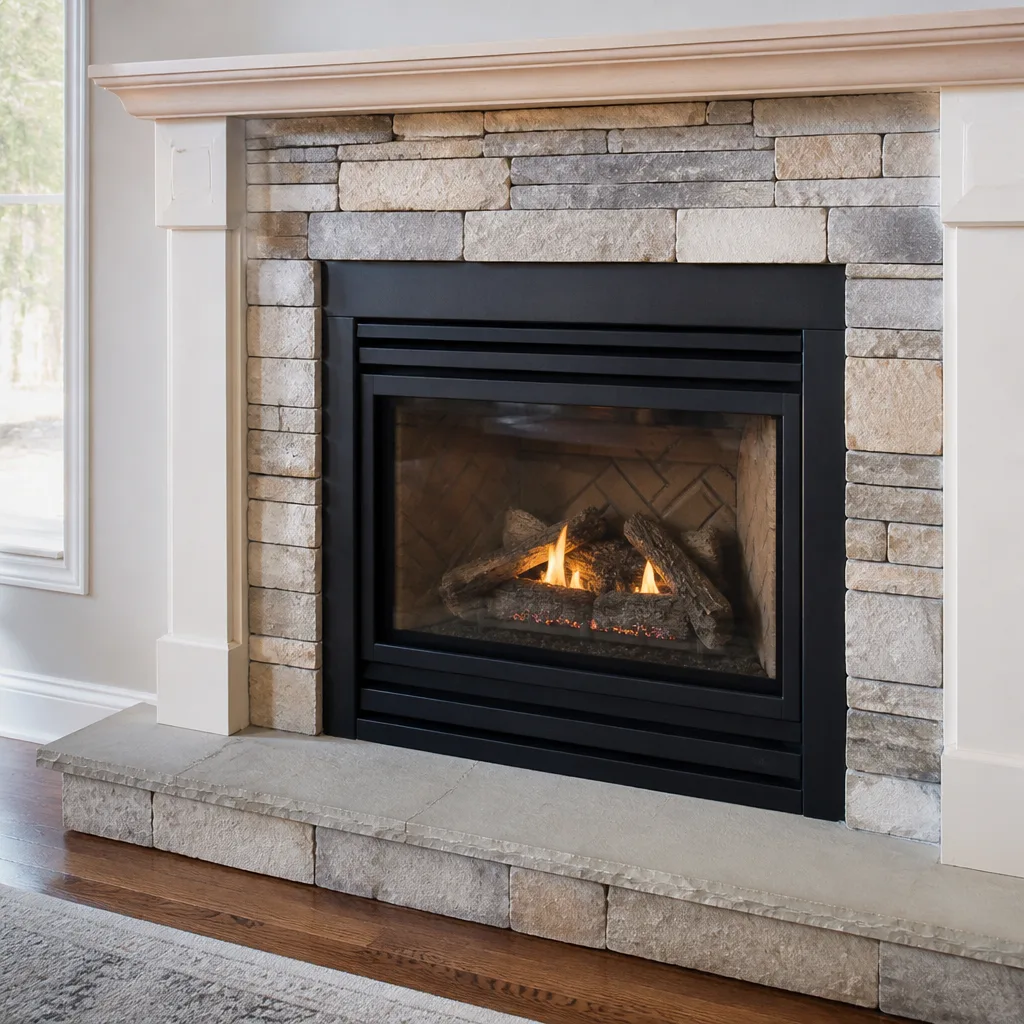 Gas fireplace service
Level 1 sweep and inspection to the NFPA 211 annual standard - flue, crown, cap, and flashing checked and photographed
Chimney sweep logs do not sweep chimneys. They loosen some creosote - which then falls where a brush and vacuum still have to collect it.
Chimney Cleaning Warning Signs: A Lehi Homeowner’s Reference Guide
A white stain running down your chimney’s exterior isn’t cosmetic. It’s efflorescence, and it means water is moving through the masonry and evaporating at the surface. By the time that chalky bloom is visible, freeze-thaw cycles have already been working on the brick and mortar from the inside out. That gap between what you can see and what’s actually happening is the reason most chimney problems get misread instead of ignored. You noticed something. You just don’t know what it points to. This guide closes that gap for Lehi homeowners: each symptom decoded into its internal cause, sorted by how fast it needs a response.
Quick Answer
The most common chimney warning signs are white efflorescence staining, dark smoke from the firebox, a smoky smell in summer, a cracked crown, and rust on the damper – each points to a specific internal problem, from water intrusion to negative draft to liner exposure. Some signs mean “monitor and schedule an inspection,” while others mean stop using the fireplace immediately. The way to tell the difference is a camera inspection that shows you the flue’s actual condition, not a guess from the driveway.
Styles & brands we work with
- Sweep & inspection
- Caps & crowns
- Flue relining
- Masonry repair
- Gas fireplace service
Table of Contents
- Symptom to Cause: The Decoder
- Water Signs: Staining, Rust, and the Crown
- Smoke and Draft Signals
- The Non-Visual Warning Signs
- False Negatives: When a “Working” Fireplace Isn’t Safe
- The Decision Matrix: What to Do and When
- What a Real Inspection Looks At
- Why Lehi Chimneys Take a Beating
Symptom to Cause: The Decoder
A chimney is a system, and a system fails at its weakest point first. That point announces itself with a symptom you can usually see or smell. The trick is knowing which part of the system the symptom is pointing at. Here’s how we read the common ones in Lehi.
- White chalky staining on the exterior points to water intrusion. Moisture is entering the masonry and pushing mineral salts to the surface as it evaporates. The interior mortar is softening.
- Dark, dense smoke rolling out of the firebox points to incomplete combustion or a partial blockage. Fuel isn’t burning cleanly, and less heat is reaching the flue, which accelerates creosote buildup.
- A smoky smell in the living room during warm months points to negative draft and downdraft. Warm outdoor air is heavier than the cool flue, so air reverses down the chimney and pushes old creosote odor into the house.
- Visible cracks in the crown point to liner exposure risk. Once the crown fails, water has a direct path down the flue, and the clay tiles crack under thermal shock.
- Rust on the damper or firebox metal points to flashing or cap failure. Water is getting past the top of the chimney, not the bottom.
Each symptom is a diagnostic pointer, not a repair bill. That’s why we inspect before we quote. For the full system walkthrough that starts every job, see Chimney Sweep Lehi.
Water Signs: Staining, Rust, and the Crown
Water does more long-term damage to Utah Valley chimneys than fire does. If you see white staining, rust, or cracked masonry at the top, treat it as active water intrusion until an inspection says otherwise.
The crown is the concrete cap at the very top of the chimney that sheds water away from the flue. When it cracks, water runs straight down the inside of the chimney, saturates the clay tiles, and freezes. In a Lehi winter, that freeze-thaw cycle can split a tile in a single season. Once a tile cracks, the flue is no longer contained, and combustion gases can migrate into the framing.
Efflorescence is the visible proof. The salts come from the mortar itself, dissolved by moisture and deposited on the surface as the water evaporates. You’re seeing the tail end of a process that started inside the wall.
Rust on the damper is often misread as a damper problem. It’s almost always a top-of-chimney problem: a failed cap, a missing cap, or flashing that’s pulled away from the masonry.
What to do about water signs
- Note where the staining is – top, middle, or bottom of the chimney.
- Check the crown from the ground with binoculars for visible cracks or crumbling.
- Look at the cap: is it present, attached, and intact?
- Book an inspection before the next freeze.
The fix may be a cap and crown rebuild, or it may be a resurfacing job using HeatShield if the clay tile is compromised but not structurally failed. HeatShield restores the interior surface of a clay flue without a full liner replacement, which is a lighter-touch option when the tiles are still sound. We inspect with a camera, so the decision is based on what’s actually inside the flue.
Smoke and Draft Signals
Smoke where it shouldn’t be is the most urgent warning sign, and the cause is usually one of three: blockage, negative pressure, or an undersized or damaged flue.
Partial blockage is the most common. A bird nest, a fallen cap section, or a heavy creosote layer narrows the flue. Smoke can’t escape fast enough, so it backs into the room. This is a stop-using signal until it’s cleared. Burning through a blockage forces smoke into the living space.
Negative pressure is different. It’s a draft problem, not a blockage. Modern tight houses with powerful kitchen exhaust fans can pull air down the chimney, especially on mild days. The fire smolders, smoke drifts into the room, and the smell lingers. If your fireplace drafts poorly on windy days but fine on cold ones, that’s a pressure or height issue worth evaluating.
Draft variability – good one day, bad the next – often points to a cracked liner or a flue that’s collecting debris. We’ve seen enough Lehi chimneys to know that a flue that “sometimes works” is a flue that needs a camera inspection, not a pep talk.
- Smoke rolls out on start-up: check for a cold flue first, then blockage.
- Smoke fills the room mid-fire: stop using, call for a sweep and inspection.
- Smoky smell with no fire: negative draft, often a cap or pressure issue.
If you’re dealing with smokeback and need a chimney sweep, the first visit includes a full inspection so the draft diagnosis is based on evidence.
The Non-Visual Warning Signs
Some of the most important warning signs don’t show up on the exterior at all. They show up as a smell, a feel, or a habit change in how the fireplace behaves.
A persistent smoky odor in the living areas – especially in summer – is a strong signal. When the fireplace is cold and the house is warm, the flue can reverse. Air travels down the chimney, picks up the smell of old creosote and soot, and vents it into the room. That odor means there’s a layer of creosote up there. If that layer is thick enough, it’s fuel.
Difficulty establishing draft tells you something about flue pressure. A cold flue needs a pre-heat, but if it takes twenty minutes to get a fire drawing reliably, or if the fire fights you, the flue may be restricted, too short for the appliance, or cracked.
Draft variability is the third non-visual warning. A flue that drafts well in January and poorly in October is usually a water issue (damp flue) or a partial blockage. Neither resolves on its own.
What each suggests:
- Persistent odor: creosote accumulation, possibly Stage 2 or higher; schedule a sweep.
- Hard-to-establish draft: restricted or damaged flue; camera inspection.
- Variable draft: moisture or blockage; sweep and inspect before the season starts.
The odor is your early warning system. It’s telling you there’s a coating on the inside, and it’s building.
False Negatives: When a “Working” Fireplace Isn’t Safe
This is the part most homeowners get wrong. A fireplace can light easily, burn steadily, and never send smoke into the room – and still have Stage 2 creosote or a cracked liner. The firebox is not the flue.
Stage 2 creosote is the glazed, crusty, hard-to-remove layer that forms when a fire burns cool and slow or when the flue is cool. It doesn’t look dangerous. It’s black and solid, and it insulates the flue, which makes the next fire burn cooler, which adds more glazed creosote. It’s fuel sitting inside the chimney, and it’s invisible from the hearth.
A cracked liner is the other false negative. A hairline crack in a clay tile may not affect draft at all, but it lets heat and gases reach the framing. You’ll never see it from the firebox. You’ll only see it under a camera inspection.
That’s what an inspection-first approach is for. We put a camera in the flue and show you what’s there before we recommend anything. Chimney repairs get quoted against what the lens shows, not against what the soot suggests. If you’ve been told to reline based on a glance from the roof, ask to see the footage.
A gas fireplace has its own false negatives. Gas flames look clean, but a blocked or disconnected vent can spill carbon monoxide into the room without any visible sign. For gas units, the annual inspection is about venting, not just appearance. When a firebox or grate needs attention, that’s a job for fireplace repair, and the inspection tells you whether it’s a firebox issue, a flue issue, or both.
The Decision Matrix: What to Do and When
Every symptom has an urgency tier. Getting the tier right protects your home and your budget. Here’s the matrix we use:
| Symptom | Likely Cause | Urgency | Action |
|---|---|---|---|
| White efflorescence | Water intrusion in masonry | Monitor | Schedule inspection before next freeze |
| Cracked crown | Liner exposure risk | Address soon | Book cap and crown work within weeks |
| Rust on damper | Cap or flashing failure | Address soon | Inspect top of chimney |
| Smoky smell in summer | Negative draft, creosote | Monitor | Sweep before heating season |
| Smoke rolling into room | Blockage or pressure problem | Stop using | Extinguish, stop burning, call for sweep |
| Dark, dense smoke from firebox | Incomplete combustion | Stop using | Sweep and inspect for blockage |
| Draft variability | Moisture or blockage | Address soon | Camera inspection |
| Any carbon monoxide alarm | Vent spillage | Stop using immediately | Exit, ventilate, call a professional before further use |
| Loose masonry, visible gaps | Structural failure | Stop using | Full assessment and repair |
Carbon monoxide has no color and no smell. If an alarm near the fireplace sounds, treat it as a venting emergency, not a battery problem. Stop using the fireplace until a professional has inspected the flue and the appliance’s venting. The written estimate covers the diagnosis; it doesn’t cover the smoke damage of a fire alarm that got ignored.
One more note on the “stop using” tier: don’t burn to “test” whether the symptom repeats. A blockage doesn’t clear because you tried again.
What a Real Inspection Looks At
An inspection has a defined scope. If yours didn’t include the items on this list, it wasn’t a full inspection.
- Exterior: crown, cap, flashing, masonry joints, efflorescence pattern.
- Firebox: brick condition, mortar joints, hearth, damper movement.
- Flue: camera scan from the top down and a look from the firebox up.
- Liner: clay tile condition, gaps, cracks, offsets.
- Smoke chamber: the transition from the flue to the firebox, where soot tends to collect.
- Draft: test the flue under working conditions.
- Appurtenances: cap, spark screen, and damper.
Camera inspection and a photo report come with the sweep, so you see what we see. A photograph of a cracked tile is worth more than an adjective.
On the repair side, the materials matter. A flue restoration can mean a full liner replacement with a DuraFlex system, or a resurfacing with HeatShield when the clay tile is still viable. Caps and crowns may be installed with Olympia Chimney products, and general repair work may use Gelco. These are the same product families professional chimney contractors specify, not hardware-store substitutes. The choice depends on the inspection result, not on what’s easiest to sell.
Full-scope work – from annual sweeping through structural chimney repair – happens under one point of contact, which means nothing gets lost between a sweep who says “the flue looks off” and a masonry contractor who shows up two months later.
Why Lehi Chimneys Take a Beating
Lehi’s climate is hard on masonry. Winter freeze-thaw cycles work on any crack, however small. Summer swings from hot afternoons to cool nights stress the crown and the flashing. Add the wind patterns along the valley bench, and flashing failures become common.
Homes in Lehi are a mix: newer construction near the Silicon Slopes corridor, mid-century ranch homes in the older parts of town, and everything in between. The newer builds often have tight envelopes, which raises the risk of negative pressure and smoke issues. The older homes often have original clay tile liners, which raises the risk of cracked tiles and efflorescence. Neighborhoods around Lehi and the surrounding bench have chimneys of every age, and the inspection findings vary accordingly.
Fireplaces in Lehi also see seasonal use. Long months with the fire off are exactly when downdraft smells show up, and the first cold snap of the year is the worst possible time to discover a blocked flue. The best move is to sweep in the shoulder season, between heating and cooling, so the liner is clean before the first fire.
None of this is exotic. It’s just the pattern that shows up when a chimney lives through a Utah County year. The symptoms are predictable, and the timetable is predictable too.
Common Mistakes to Avoid
- Waiting for smoke to “clear” on its own. It won’t. Smoke in the room is a signal, and the cause is structural. Stop using the fireplace and call.
- Reading efflorescence as a cosmetic issue. White staining is water, not decoration. The masonry behind it is already compromised. Have it assessed before the next freeze.
- Judging the flue by the firebox. Fireplaces light fine with cracked tiles and Stage 2 creosote. The fire tells you whether it’s drawing, not whether it’s safe.
- Cleaning creosote with household tools. A brush from the hardware store won’t touch glazed Stage 2, and forcing it can crack a tile. That’s a job for a professional sweep.
- Skipping the cap. A missing cap lets in water, birds, and debris. Cap and crown work is the cheapest prevention on the list.
- Booking a sweep after the first cold snap. Every Lehi homeowner thinks of the chimney at the same moment. Book before the season starts.
- Accepting a repair quote without a camera report. If the quote isn’t backed by footage, you’re guessing at the tile condition. Ask for the photo report.
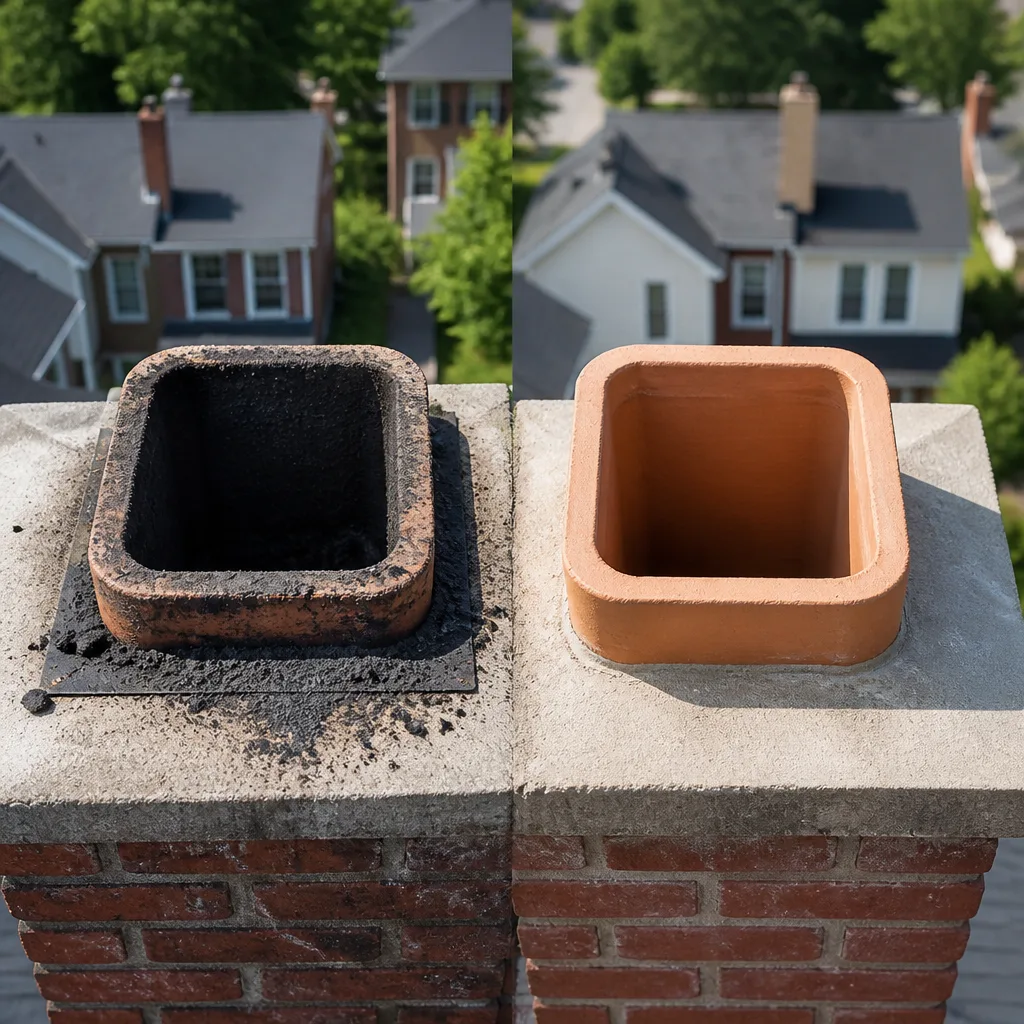
See the difference
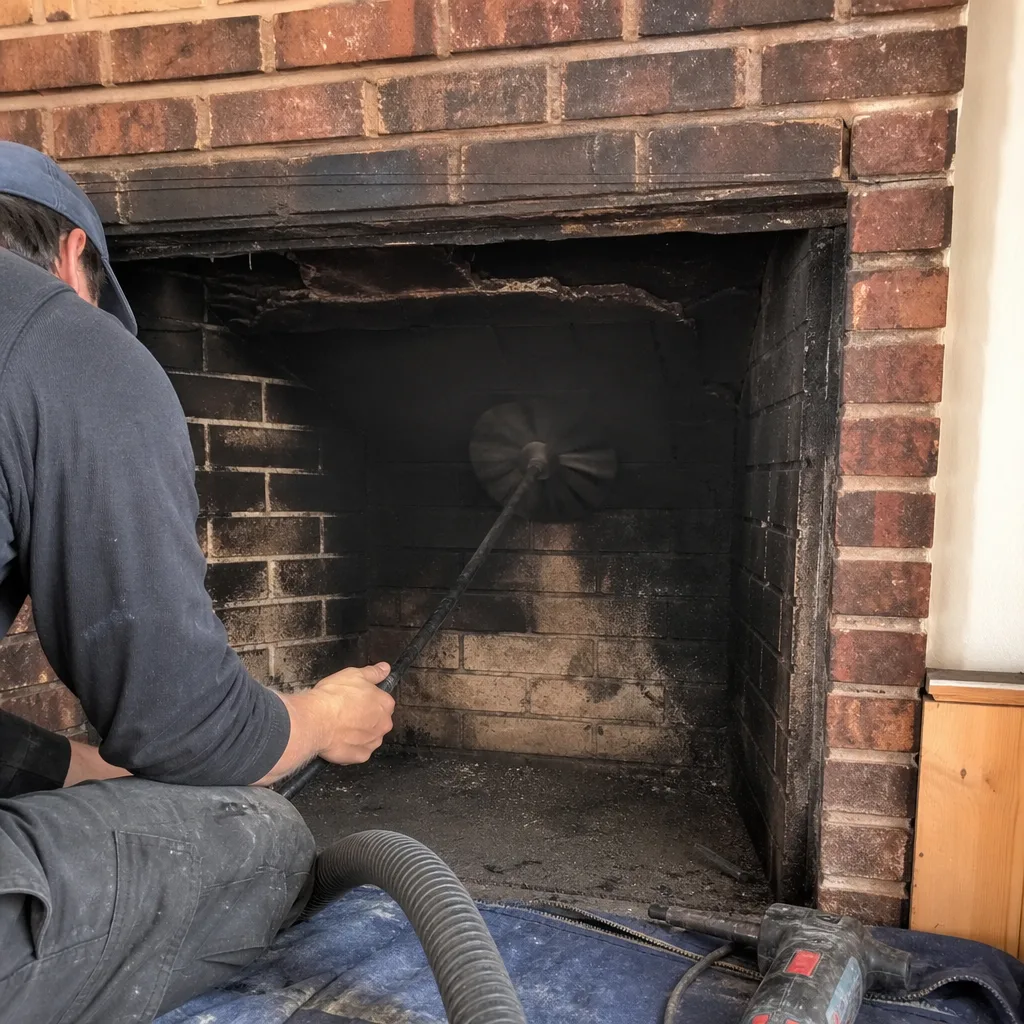 Before
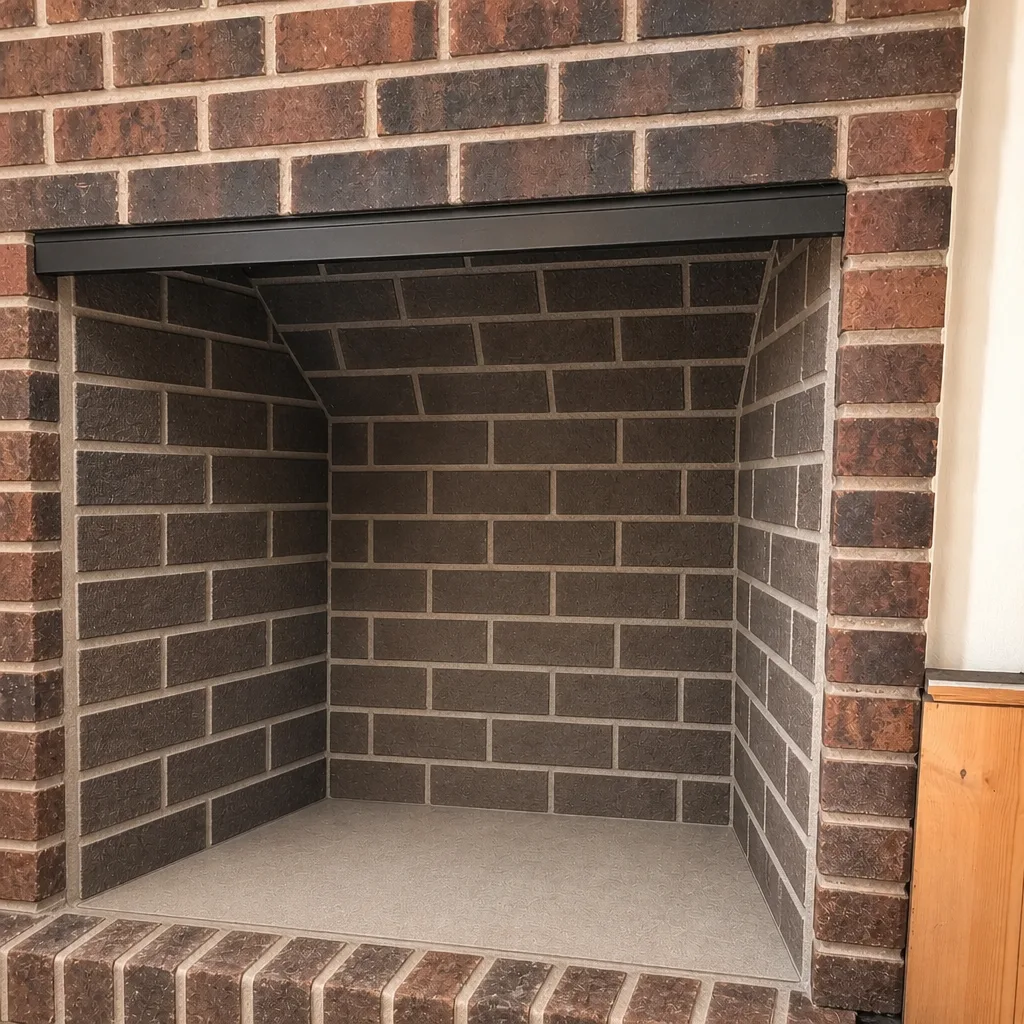 After
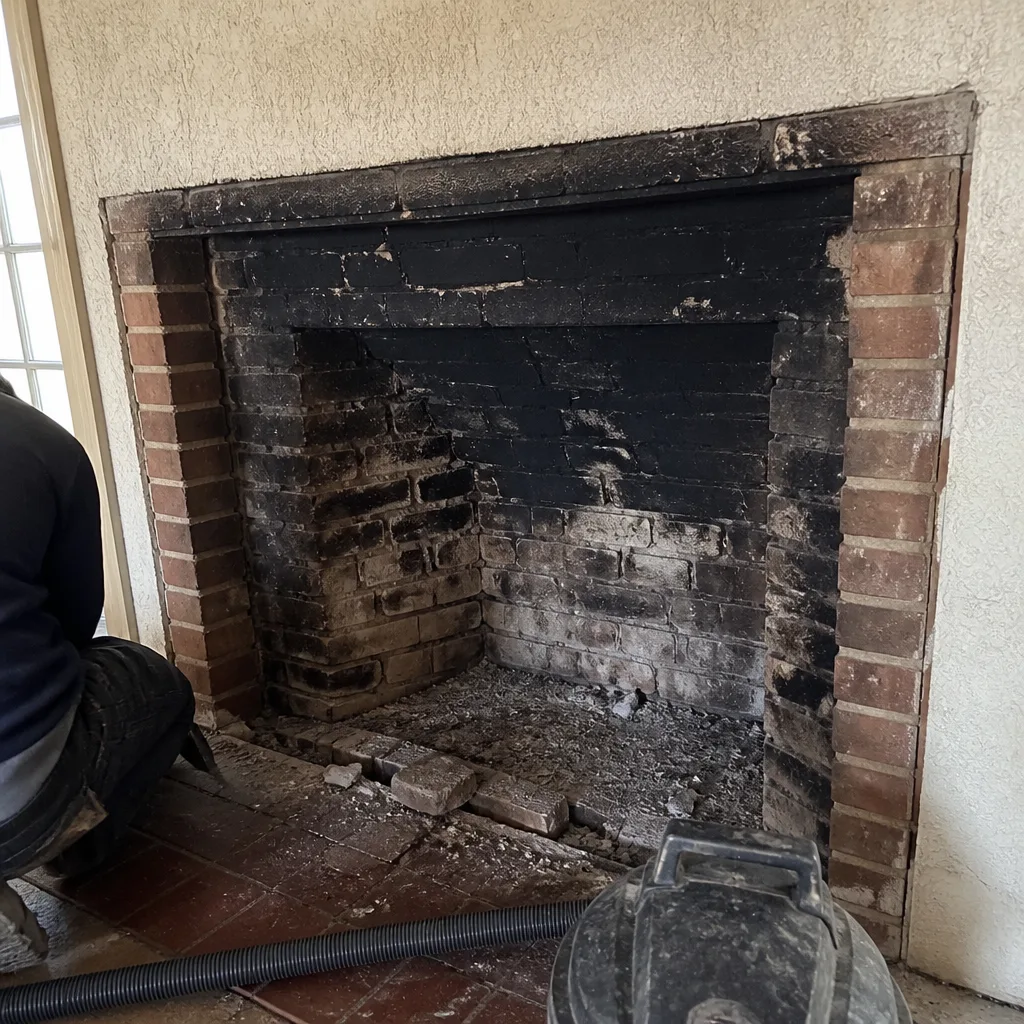 Before
 After
 Before
 After
When to Call a Professional
Call a professional if you smell smoke in the living area when no fire is burning, if smoke rolls out of the firebox, if you see white staining, if the crown is cracked, if the damper is rusty, or if the fire doesn’t draft well. Those are the cases where an inspection decides whether the problem is a cleaning or a repair. And call before the first fire of the season, not after.
Chimney Sweep Lehi offers free estimates in Lehi. Call (855) 337-1677. We answer 24/7. Fast dispatch from 7am to 7pm, Sunday through Friday. Do not burn in a fireplace that shows a stop-using sign – the estimate can wait, the house cannot.
Frequently Asked Questions
White efflorescence staining, rust on the damper, a smoky odor in summer, and a fire that takes longer than usual to start drawing are the earliest visible signals. They often appear months before a fire or draft problem is noticeable. Call (855) 337-1677 for an exact quote – estimates are free.
Once a year for most wood-burning fireplaces, and more often if you burn frequently or notice the signs in this guide. The rule of thumb in the trade is to sweep before one-eighth of an inch of creosote accumulates. Scheduling in the off-season avoids the fall rush. Call (855) 337-1677 for an exact quote – estimates are free.
You need it if the camera shows cracked tiles, gaps in the tile joints, or a failed crown that lets water reach the flue. You don’t need it if the tile is intact and only the exterior needs repair. We show the footage and let it make the case. Call (855) 337-1677 for an exact quote – estimates are free.
It’s not an emergency, but it’s a real warning sign. The smell means old creosote is sitting in the flue and reversing into the room when the house is warm. It suggests a sweeper is due and, if the layer is glazed, that a sweep and inspection are overdue. Call (855) 337-1677 for an exact quote – estimates are free.
Only if it was inspected this year, because a gas fireplace can spill carbon monoxide with no visible sign. The inspection checks the vent, the firebox, and the draft path. Call (855) 337-1677 for an exact quote – estimates are free.
Stop using the fireplace immediately. Smoke in the room means the flue is blocked, undersized, or under negative pressure, and none of those fix themselves. Then call for a sweep and inspection. Call (855) 337-1677 for an exact quote – estimates are free.
Sometimes. HeatShield resurfacing restores a compromised clay tile flue when the tiles are still intact enough to hold the material, which avoids a full liner replacement. It isn’t right for every flue – the camera inspection determines whether resurfacing will hold or whether DuraFlex is the correct path. Call (855) 337-1677 for an exact quote – estimates are free.
Leave it off and you’ve opened a door for rain, birds, and debris. A cap and crown are the first line of defense against the water intrusion that causes efflorescence and cracked liners. Cap installation is part of the scope we handle. Call (855) 337-1677 for an exact quote – estimates are free.
The Bottom Line
The chimney warning signs in this guide aren’t décor problems – each one points at a specific part of the system, and each has a specific response window. White staining means water, and water means freeze-thaw damage inside the masonry. Smoke in the room means stop burning now. A smoky smell in summer means creosote is building and draft is reversing. A cracked crown means the liner is exposed. The signs are readable, and the tiers are clear: monitor, address soon, or stop using immediately. Our technicians have up to 10 years of experience reading exactly these signals, and every job begins with an inspection because the flue’s condition, not a guess, is what decides the repair.
Written by the team at Chimney Sweep Lehi.